Adelaide's Office Market Shifts: What Every Business Leader Needs to Know Right Now
As hybrid work reshapes demand, forward-thinking companies are repositioning their real estate strategies across the CBD and emerging precincts.
As hybrid work reshapes demand, forward-thinking companies are repositioning their real estate strategies across the CBD and emerging precincts.
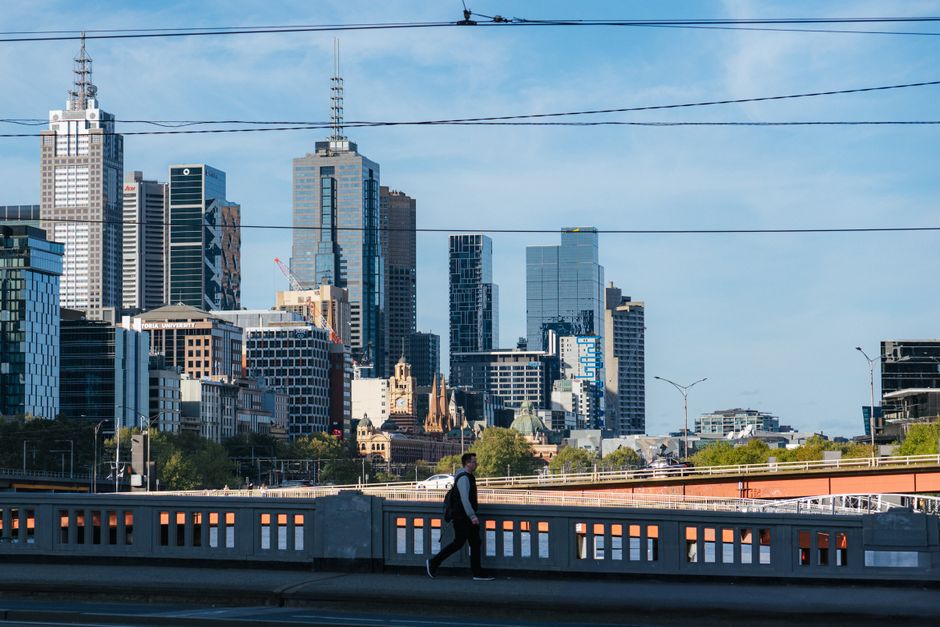
Adelaide's commercial property landscape is undergoing a quiet but significant recalibration. After years of post-pandemic uncertainty, the city's office market is settling into new patterns that demand attention from business decision-makers.
The CBD remains the anchor, but tenancy dynamics are evolving. Traditional concentrations around North Terrace and King William Street are being challenged by a growing appetite for spaces in revitalised neighbourhoods. Rundle Street East and the Wauwi precinct are attracting boutique operators and creative firms seeking flexibility and character that heritage-converted spaces provide. Meanwhile, commercial rents in prime CBD locations have stabilised at around $300–$350 per square metre annually, a modest increase reflecting measured recovery rather than boom conditions.
The hybrid work phenomenon continues shaping demand. Rather than wholesale office abandonment, Adelaide businesses are rightsizing—consolidating sprawling traditional setups into more efficient, collaborative hubs. This shift has unlocked opportunities in smaller, well-appointed suites, particularly in mixed-use developments where ground-floor retail activation supports office occupancy above.
Investors should watch the emerging tech and advanced manufacturing clusters gaining momentum around the Airport precinct and nearby innovation zones. These areas offer lower per-square-metre costs and proximity to transport infrastructure, attracting logistics companies, professional services, and knowledge-intensive firms.
Several trends warrant monitoring. First, landlords increasingly demand longer-term commitments, reflecting appetite for stability. Second, sustainability credentials are moving from nice-to-have to necessity; tenants and investors alike expect energy efficiency and ESG alignment. Third, the competition for top talent means office environment quality—natural light, break-out spaces, wellbeing amenities—influences leasing decisions more than headline rent figures alone.
For businesses planning expansion or relocation, the current market offers genuine choice. The oversupply that plagued earlier years has tightened, reducing distressed stock but maintaining bargaining power for quality tenants. Vacancy rates across greater Adelaide sit around 7–8%, healthier than during pandemic peaks but not as tight as pre-2020 levels.
The message for Adelaide business leaders is clear: this is a moment for strategic clarity. Whether downsizing, upgrading, or expanding, the market rewards those who understand their hybrid workforce patterns, can articulate why they need their specific location, and prioritise operational flexibility. The next 12 months will crystallise these trends further. Smart operators are acting now.
This article was compiled by AI from the sources linked above and screened before publishing. See our editorial standards.
Spread the word
About this article
Published by The Daily Adelaide
Your take
Daily brief
Free, in your inbox before 7am. Weekdays.
More from Adelaide
