Global Tensions Turn Up Heat on Adelaide's Tourism Economy
Geopolitical instability in the Middle East and South Asia is forcing the city's hospitality sector to recalibrate strategies and brace for shifting visitor patterns.
Geopolitical instability in the Middle East and South Asia is forcing the city's hospitality sector to recalibrate strategies and brace for shifting visitor patterns.
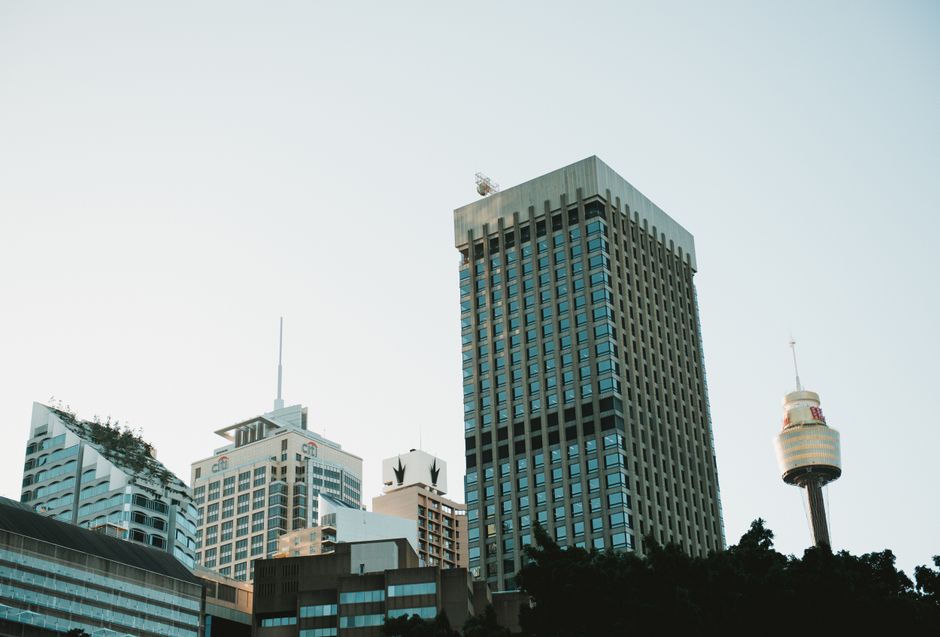
Adelaide's tourism sector is feeling the ripple effects of international turbulence, as escalating tensions in the Middle East and South Asia reshape travel patterns and visitor confidence across the city's sprawling hospitality network.
The recent diplomatic standoffs between the US and Iran, coupled with escalating military activity across Pakistan and Afghanistan, have created uncertainty in global aviation routes and travel decisions. For Adelaide—a city that has worked hard to position itself as a gateway destination for international visitors—the impact is immediate and measurable.
"We're seeing booking patterns shift week to week," explains industry observers monitoring performance across Adelaide's major precincts. The Rundle Mall precinct, which typically draws significant foot traffic from international leisure travellers, has reported softer performance in June compared to historical averages. Hotels along North Terrace and in the CBD are adjusting their marketing focus, with several establishments reporting increased cancellations from Middle Eastern and South Asian travellers citing safety concerns and flight uncertainty.
The Adelaide Convention and Events Centre and Adelaide Oval—cornerstones of the city's event economy—are recalibrating expectations for international delegate attendance at conferences scheduled for the coming months. Tourism SA data suggests that while domestic visitor numbers remain resilient, the international component of Adelaide's roughly $4.8 billion annual visitor economy is experiencing headwinds not seen since 2020.
The retail and hospitality sectors along Gouger Street, Wauwi (Hindley Street), and the expanding East End Precinct are watching closely. These neighbourhoods have increasingly relied on international tourist dollars to supplement local spending, making them particularly exposed to geopolitical shocks that deter overseas travellers.
However, industry players emphasise opportunity within challenge. Several Adelaide tourism operators are redirecting marketing investment toward domestic audiences and regional neighbours in New Zealand and Southeast Asia—markets less affected by Middle Eastern volatility. Premium venues including restaurants in the Barossa Valley wine region and accommodation providers at Mount Lofty are pivoting toward consolidating the lucrative domestic market.
"When global conditions create uncertainty, visitors often choose closer destinations or defer travel altogether," notes analysis from the South Australian Tourism Commission. "Our job is ensuring Adelaide remains attractive to regional travellers while maintaining readiness for when international confidence returns."
The sector's resilience will likely depend on how quickly international tensions stabilise—and whether Adelaide's operators can maintain momentum through domestic tourism while hedging their exposure to the unpredictable global environment.
This article was compiled by AI from the sources linked above and screened before publishing. See our editorial standards.
Spread the word
About this article
Published by The Daily Adelaide
Your take
Daily brief
Free, in your inbox before 7am. Weekdays.
More from Adelaide
