Adelaide's Tourism Boom: Who's Cashing In as Visitor Numbers Surge
From Rundle Mall to the Barossa, hospitality operators and attraction owners are reporting record bookings as the city emerges as Australia's hottest travel destination.
From Rundle Mall to the Barossa, hospitality operators and attraction owners are reporting record bookings as the city emerges as Australia's hottest travel destination.
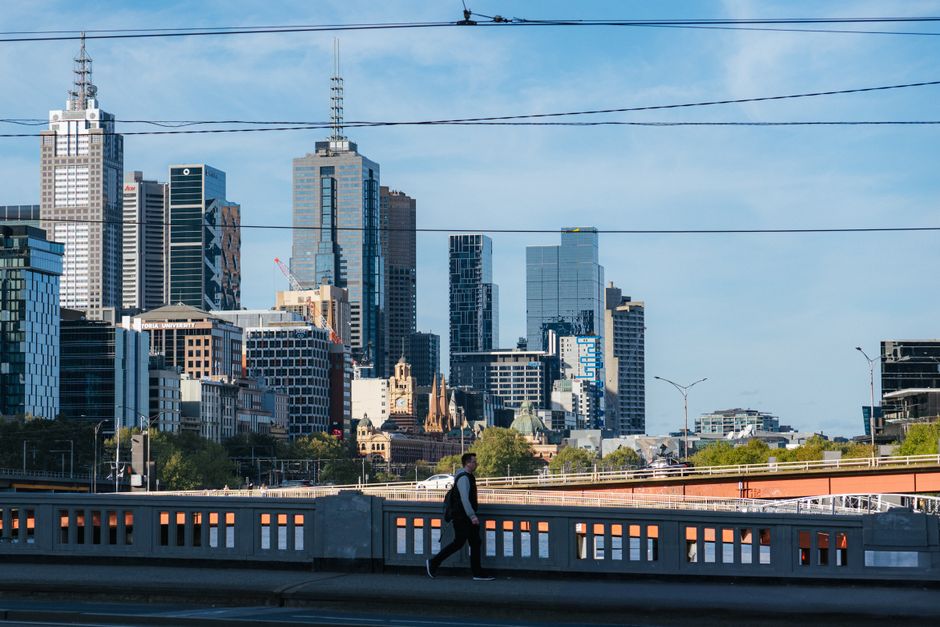
Adelaide's visitor economy is firing on all cylinders. Tourism figures for the first half of 2026 show interstate and international arrivals up 34 per cent year-on-year, with the city now consistently ranking among Australia's top five domestic destinations. For business owners across the accommodation, dining and attractions sectors, the opportunity has never been more tangible.
The surge is reshaping the fortunes of operators across Adelaide's key precincts. Hospitality venues along Rundle Street and around the Central Market precinct report back-to-back fully booked weekends, with accommodation providers in North Adelaide and around the Parklands registering near-capacity occupancy rates. Mid-range hotels are commanding nightly rates of $180–$240, up from $140–$160 two years ago, while premium properties regularly exceed $350 per night during peak periods.
The city's major attractions are experiencing unprecedented foot traffic. The South Australian Museum, Art Gallery of South Australia, and Adelaide Botanic Gardens all report 40–50 per cent increases in annual visitors compared to 2024. Wine country operators in the Barossa Valley and McLaren Vale are similarly benefiting, with cellar door bookings and experience packages selling out weeks in advance.
Several key players are positioned to capitalise most directly. Larger hospitality groups operating multiple venues across the CBD and North Adelaide have invested heavily in expansion, while independent operators—particularly those offering unique, locally curated experiences—are finding strong demand. Tour operators specialising in wine experiences, cultural precinct walks, and food-focused itineraries report waiting lists.
Real estate agents tracking commercial property values note rising interest from investors targeting boutique hotel conversions and experiential hospitality ventures. Landlords controlling premium retail frontages along Rundle Mall and around the Central Market have raised asking rents, citing heightened foot traffic and tenant demand.
Not all operators are benefiting equally, however. Budget accommodation providers and older, unrenovated venues struggle to compete as travellers increasingly seek curated, Instagram-worthy experiences. Restaurants and bars lacking strong online presence or distinctive positioning report softer bookings than their trendier counterparts.
Industry analysts attribute the surge to several factors: improved flight connections from eastern capitals, Adelaide's positioning as a cooler, more relaxed alternative to congested east-coast cities, and growing reputation for wine, food and cultural offerings. The city's relatively compact geography and walkable CBD neighbourhoods appeal to visitors seeking authenticity over resort-style experiences.
For Adelaide's business community, the challenge now lies in sustaining momentum while maintaining the character that makes the city distinctive. Those who invested early in experience-led tourism and local authenticity appear best positioned to thrive.
This article was compiled by AI from the sources linked above and screened before publishing. See our editorial standards.
Spread the word
About this article
Published by The Daily Adelaide
Your take
Daily brief
Free, in your inbox before 7am. Weekdays.
More from Adelaide
