Following the Money: How Adelaide's Tourism Investment Flows Tell the Real Economic Story
New data on visitor spending and capital allocation reveals shifting patterns that could reshape the city's hospitality sector over the next three years.
New data on visitor spending and capital allocation reveals shifting patterns that could reshape the city's hospitality sector over the next three years.
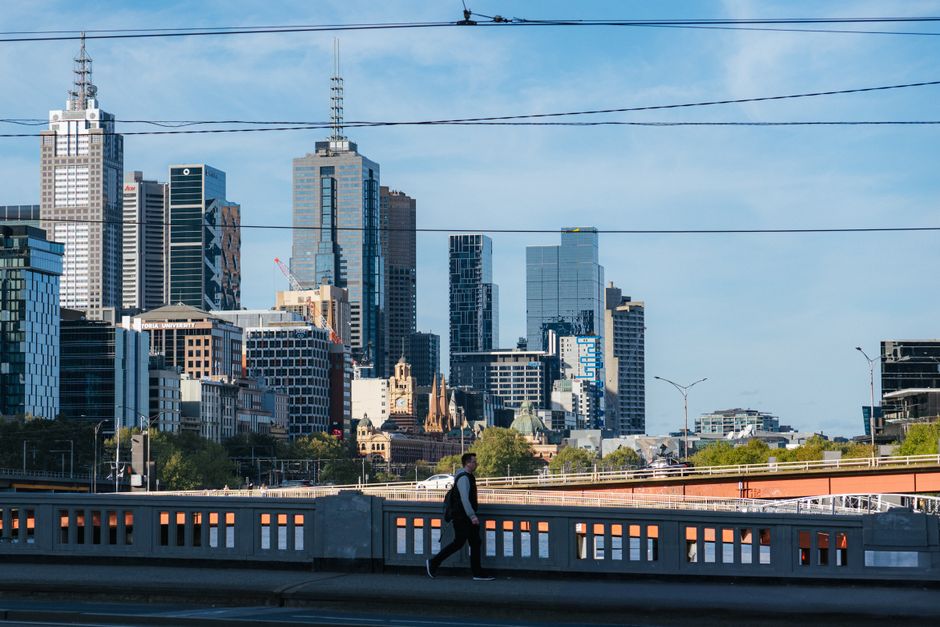
Adelaide's tourism economy is sending mixed signals to investors, and understanding where the money is actually flowing matters far more than headline visitor numbers alone.
Latest figures from the South Australian Tourism Commission show international visitor expenditure reached $2.1 billion in the 2025–26 financial year—a 7% increase on the previous period. But beneath that aggregate sits a story about capital allocation that's reshaping how hotels, attractions, and hospitality operators along Rundle Mall, in the Barossa Valley, and across the Adelaide Hills are positioning themselves.
The data reveals three critical trends. First, average spend per visitor has risen to $1,847, up from $1,654 two years ago. This suggests a deliberate market shift: operators are investing in premium experiences rather than competing on volume. The newly refurbished Hilton Adelaide on King William Street—which underwent a $45 million renovation—exemplifies this strategy, targeting high-yield leisure and conference visitors.
Second, domestic tourism investment has become concentrated. Regional properties around the Barossa and McLaren Vale wine regions attracted $320 million in hospitality upgrades over the past 18 months, according to commercial property analysts JLL. Conversely, inner-city budget accommodation has seen slower capital deployment, a signal that investors believe the margin environment there has compressed.
Third, capital is flowing toward experiential infrastructure. The Adelaide Convention Centre's $240 million expansion, completed last year, now captures 45% more conference delegate spending than in 2023. This illustrates a fundamental shift: money follows meetings, not just beds.
What should Adelaide's business community understand? Investment flows are a leading indicator. When capital leaves a sector—even as visitor numbers hold steady—it signals investor concern about future profitability. Conversely, the concentration of development in premium segments and experience-led tourism shows where market confidence actually resides.
The visitor economy matters to Adelaide's broader economy. Tourism directly supports 28,000 jobs and contributes roughly 8% of gross regional product. But these investment patterns suggest the next wave of growth won't come from adding capacity; it will come from capturing higher-value visitors and spending.
For property developers, hospitality operators, and food and beverage venues, the lesson is clear: the money is moving toward quality, specificity, and experience. Those betting on premium positioning—whether targeting Chinese business travellers, wine-focused tourists, or conference delegates—are seeing capital flow their way. Those betting on volume are finding capital harder to access.
In Adelaide's tourism economy, following the investment is following the future.
This article was compiled by AI from the sources linked above and screened before publishing. See our editorial standards.
Spread the word
About this article
Published by The Daily Adelaide
Your take
Daily brief
Free, in your inbox before 7am. Weekdays.
More from Adelaide
