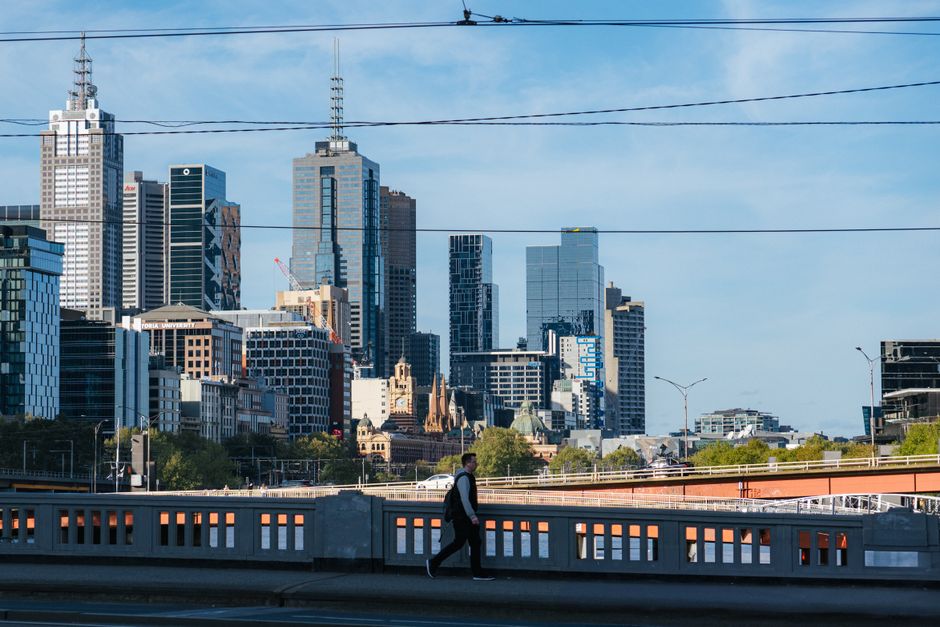
As tech companies cluster around Wauwi and the CBD, locals are discovering how emerging businesses are reshaping where they spend money, get services, and find work.
Walk down Rundle Street or through the laneway precincts around Wauwi these days and you'll notice something shifting. Between the established cafes and retail outlets, a quieter revolution is taking hold—one that's reshaping Adelaide's economic future and, increasingly, how residents interact with everyday services.
Adelaide's startup ecosystem has grown substantially over the past three years, with more than 240 early-stage companies now operating across the city, according to local business development figures. But what does this mean for someone buying coffee, booking a haircut, or looking for their next job?
The most visible change is in how services are being delivered. Local startups are tackling genuine problems residents face daily: fintech companies streamlining small-business payments, app-based services competing with traditional providers, and logistics firms improving delivery reliability. The Eden Hills-based logistics startup Delve, for instance, now handles last-mile deliveries for several major retailers—meaning faster arrival times for online orders across metro Adelaide.
Property values tell another story. Postcode 5000 has seen increased investor interest, particularly around emerging innovation hubs. Coworking spaces like those clustered near the Botanic Gardens have expanded membership by roughly 60 per cent since 2024, bringing younger workers and entrepreneurs into previously quieter precincts.
Employment patterns are shifting too. Rather than traditional corporate hierarchies, more Adelaide residents—particularly those aged 25-40—are finding opportunities in startup environments offering flexibility that established employers haven't historically provided. Salaries remain competitive with larger firms, though equity incentives now feature prominently in job offers.
Consumers should understand one practical reality: startups inevitably fail. That app you've grown fond of might disappear within two years. The coworking space in Wauwi could consolidate. But simultaneously, successful ventures create lasting infrastructure. When a startup survives and scales—as several South Australian companies have recently done—it attracts talent, invests in property, and generates sustainable tax revenue for the city.
The innovation district narrative also carries a cautionary note about gentrification. As more startups locate around Wauwi and the East End Markets precinct, rental pressures inevitably rise. Long-standing businesses face displacement when leases renew at market rates.
For Adelaide residents, the key takeaway is this: the startup ecosystem isn't just about tech entrepreneurs chasing venture capital. It's fundamentally reshaping the city's character—where money flows, which neighbourhoods become hubs, what services are available, and where new jobs emerge. Understanding these shifts helps locals navigate Adelaide's evolving economy and make informed decisions about where and how they spend, work, and invest.
This article was compiled by AI from the sources linked above and screened before publishing. See our editorial standards.