Your Pay Check vs Your Rent: What Adelaide Workers Need to Know About the Jobs Market Right Now
Wage growth is slowing while housing costs climb—here's how Adelaide's employment shift could affect your hip pocket.
Wage growth is slowing while housing costs climb—here's how Adelaide's employment shift could affect your hip pocket.
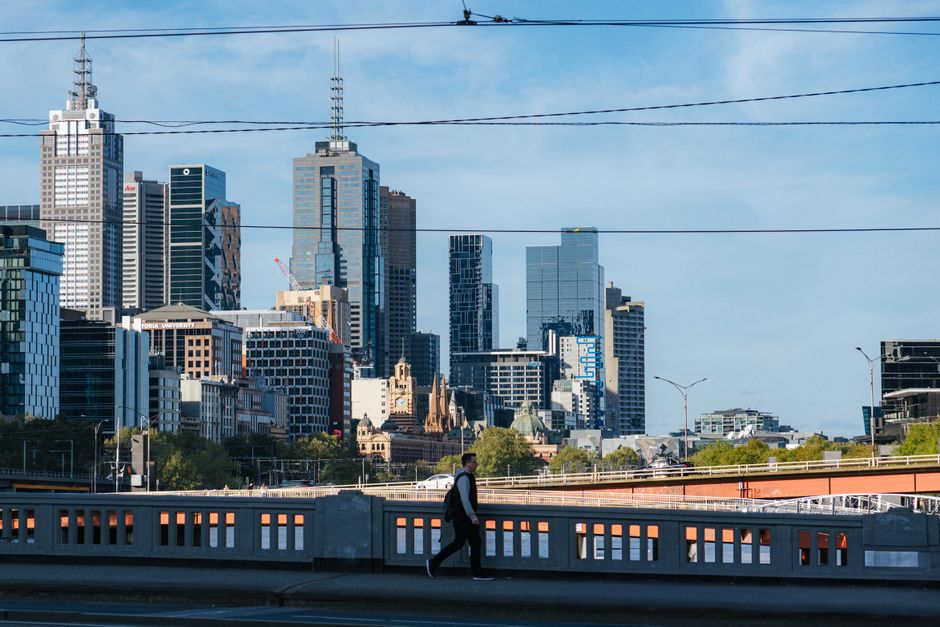
If you're job hunting in Adelaide or hoping for a pay rise, the local employment picture is becoming harder to ignore. While South Australia's unemployment rate remains relatively stable at around 3.8 per cent, the real story playing out across the city tells a more nuanced tale—one that directly affects your ability to afford rent in Norwood, save for a deposit in Unley, or keep up with cost-of-living pressures in the suburbs.
The Adelaide job market is experiencing a quiet shift. While headline employment numbers look solid, wage growth is failing to keep pace with inflation. Workers across hospitality, retail, and professional services are finding their pay packets stretched thinner against rising rents. A one-bedroom apartment in the city centre now averages around $2,100 per month, while suburbs like Prospect and Hackney have seen rental increases of 6–8 per cent year-on-year. For workers earning modest wages, this gap is becoming unsustainable.
Sectors like healthcare, aged care, and technology are actively recruiting, but many openings are part-time or contract-based—offering flexibility without the security or superannuation benefits of permanent roles. This casualisation of work means fewer workers can confidently commit to long-term financial plans.
The construction and manufacturing sectors, traditionally pillars of Adelaide's economy, continue facing headwinds. Some major projects on King William Road and in the Bowden precinct have delivered employment spurts, but these remain finite. Workers shouldn't assume stability in these industries without diversifying their skills.
Here's what matters for your wallet: if you've landed a job offering 2–3 per cent annual pay increases, you're falling behind. With inflation hovering around 3–4 per cent, that's a real pay cut. Second, the rise of gig and casual work means more Adelaideans are juggling multiple income streams just to hit previous income levels. Third, younger workers entering the market face stiffer competition for permanent roles, pushing many toward studying longer or accepting lower starting wages.
The optimistic flip side? Adelaide's cost of living remains lower than Sydney or Melbourne, and pockets of job growth exist. The defence and aerospace sectors around Edinburgh and technology hubs emerging near the University of Adelaide are creating new opportunities. Remote work has also levelled the playing field, allowing Adelaide residents to compete for national salaries without relocating.
The takeaway: don't assume your current job's security or wage trajectory. Upskilling matters more than ever. And if you're renting, factoring in realistic rent increases over the next 12 months isn't pessimism—it's prudent planning.
This article was compiled by AI from the sources linked above and screened before publishing. See our editorial standards.
Spread the word
About this article
Published by The Daily Adelaide
Your take
Daily brief
Free, in your inbox before 7am. Weekdays.
More from Adelaide
