The shift to hybrid and remote arrangements is hollowing out traditional office districts while creating unexpected opportunities in outer suburbs and regional hubs.
Adelaide's job market is undergoing a seismic shift as remote work arrangements permanently alter where professionals choose to live and work, with major implications for commercial real estate, recruitment patterns, and wage pressures across the city.
Data from the Adelaide Chamber of Commerce suggests that approximately 42 per cent of professional roles now offer flexible working arrangements—a figure that has nearly doubled since 2023. This flexibility is triggering a geographic redistribution of talent that's reshaping economic activity across the metropolitan area.
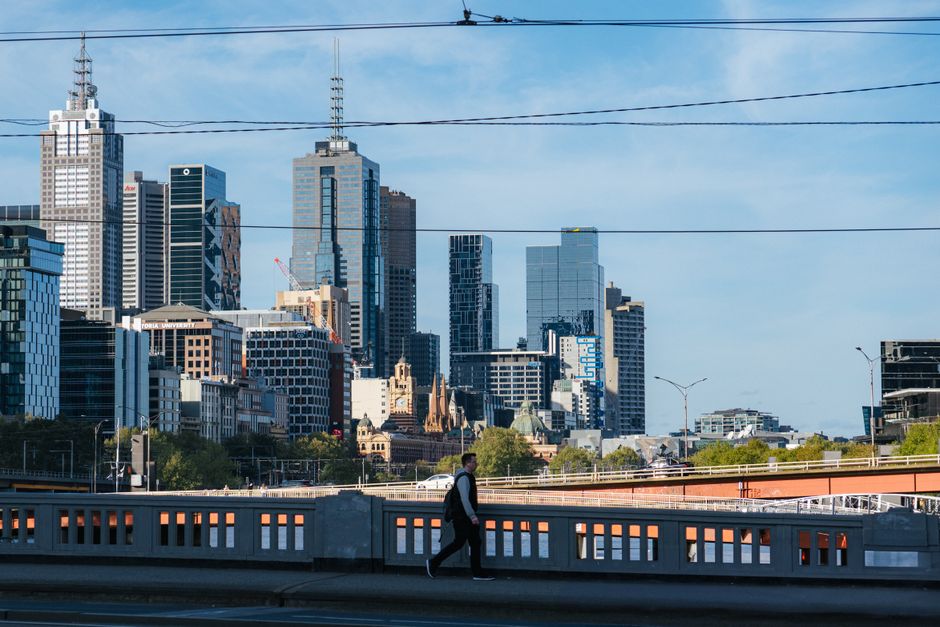
The impact on the CBD is particularly pronounced. Office vacancy rates along King William Street and Grenfell Street have climbed to 18 per cent, the highest in a decade, with major corporations consolidating their physical footprint or adopting hot-desking models. Meanwhile, inner suburbs like Norwood and Stepney are experiencing unexpected commercial activation as co-working spaces and satellite offices proliferate along Glynburn Road and The Parade.
"We're seeing professionals choosing lifestyle over location," explains one recruitment sector analyst. Young professionals who previously required proximity to North Terrace offices are now choosing properties in emerging areas like Aberfoyle Park and Flagstaff Hill, where housing affordability remains significantly lower than inner suburbs. Average rent for a three-bedroom home in Flagstaff Hill sits around $2,100 monthly, compared to $2,850 in Norwood.
This geographic arbitrage is creating unexpected talent shortages in specific sectors. Healthcare, manufacturing, and defence contractors—industries resistant to remote work—are competing fiercely for candidates willing to work on-site. Salaries for skilled tradespeople and engineering roles have increased 7-9 per cent annually over the past two years, well above inflation, as employers struggle to attract talent.
Conversely, the market for mid-level corporate roles remains competitive. Adelaide's professional services sector has absorbed thousands of workers previously dependent on Melbourne and Sydney commutes, creating oversupply in certain administrative and finance functions. Starting salaries for graduate accountants have remained largely flat.
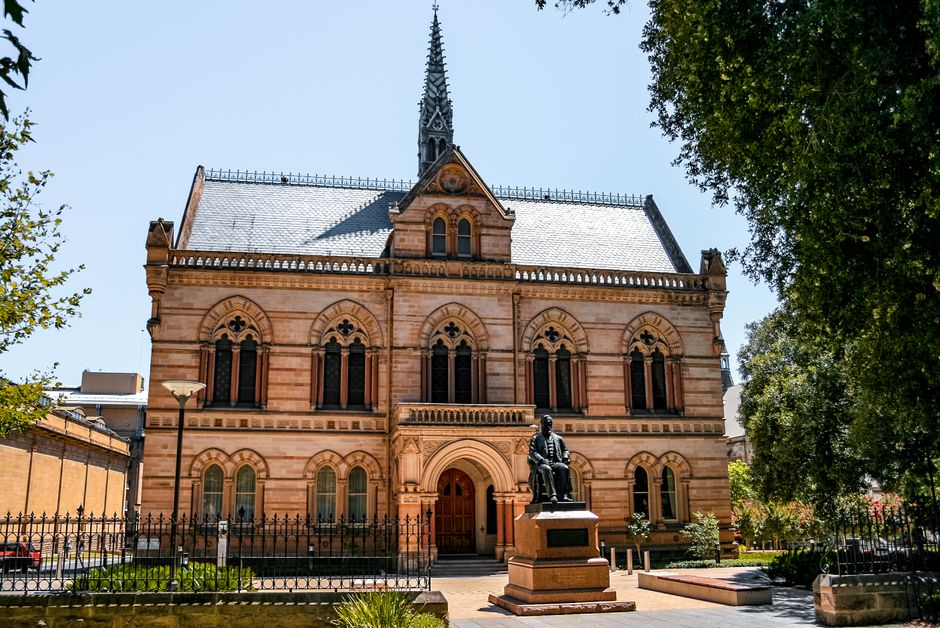
The transformation is forcing local institutions to reconsider their strategies. Universities and vocational training providers are adjusting course delivery to emphasise skills suited to distributed teams—digital collaboration, project management, self-directed learning—rather than traditional office-based competencies.
For Adelaide's economic development agenda, the implications cut both ways. The city is attracting talent seeking quality-of-life improvements and affordability. But the dilution of CBD workplace culture threatens the networking ecosystems and spontaneous knowledge-sharing that traditionally drive innovation clusters. Whether Adelaide can leverage remote work as an economic advantage—or simply becomes a cheaper bedroom for distant employers—remains the critical question shaping the city's economic future.
This article was compiled by AI from the sources linked above and screened before publishing. See our editorial standards.