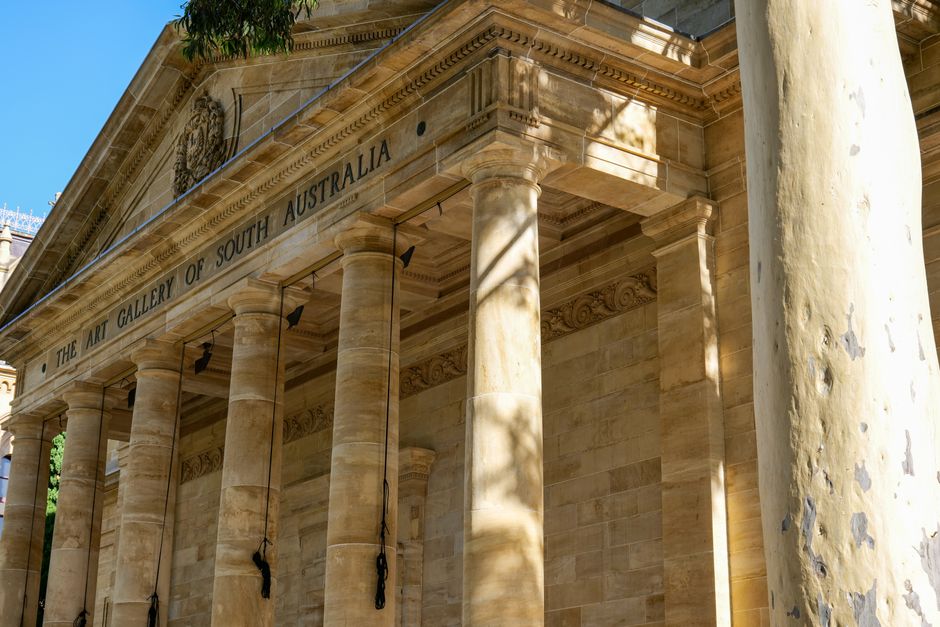
As global volatility reshapes investment patterns and local cost pressures mount, Adelaide businesses must adapt their strategies to survive the second half of 2026.
Adelaide's business community faces a confluence of pressures that demands immediate strategic attention. With international markets showing renewed volatility and local operating costs climbing steadily, company leaders across the city—from Rundle Street retailers to Wayville industrial operators—need to reassess their financial positioning now.
Global geopolitical tensions are already rippling through investment markets, creating uncertainty for Adelaide businesses reliant on international supply chains and export revenue. The resources sector, which has long anchored South Australia's economy, continues to face commodity price fluctuations that directly impact regional confidence. For small to medium enterprises in the manufacturing and logistics sectors around the Port Adelaide precinct, this translates to tighter margins and reduced planning visibility.
Locally, the cost-of-living squeeze remains acute. Commercial property rental rates in premium precincts like North Terrace have remained elevated, while operational expenses—particularly energy costs and wages—continue their upward trajectory. Data shows Adelaide's commercial office space in the CBD is commanding $500-650 per square metre annually, up from previous years, squeezing businesses already managing thin profit margins. Hospitality and retail operators along Hindley Street and around Rundle Mall report that foot traffic, while recovering, hasn't yet justified the higher rent commitments many locked in during the pandemic recovery.
For Adelaide's growing tech and professional services sector around the Lot Fourteen precinct, the situation presents both risk and opportunity. Venture capital flows have tightened globally, but selective investment in innovation continues. Companies positioned in emerging sectors—particularly renewable energy, agritech, and advanced manufacturing—remain attractive to investors seeking diversification away from volatile commodity markets.
The banking and finance sector signals cautious optimism. Interest rate expectations have stabilised, providing some clarity for businesses managing debt servicing costs. However, lenders remain selective; access to capital depends increasingly on demonstrated profitability and clear growth pathways.
What should Adelaide businesses do? First, stress-test your cash flow assumptions against more conservative revenue projections. Second, review supply chain dependencies and consider diversification where feasible. Third, audit energy and operational costs aggressively—many businesses are finding 10-15 per cent savings through efficiency reviews. Finally, maintain lines of communication with financial advisors and lenders; transparency about challenges often opens doors to restructuring options.
The remainder of 2026 will likely separate businesses that planned from those that reacted. Adelaide's competitive advantage lies in its fundamentals: lower operating costs than eastern capitals, a skilled workforce, and strategic positioning for agritech and defence innovation. Companies that leverage these assets while managing near-term headwinds will emerge stronger.
This article was compiled by AI from the sources linked above and screened before publishing. See our editorial standards.