Adelaide's Office Market Faces Perfect Storm of Headwinds in 2026
Rising interest rates, hybrid work trends, and oversupply are squeezing returns for commercial property investors across the city's CBD and fringe precincts.
Rising interest rates, hybrid work trends, and oversupply are squeezing returns for commercial property investors across the city's CBD and fringe precincts.
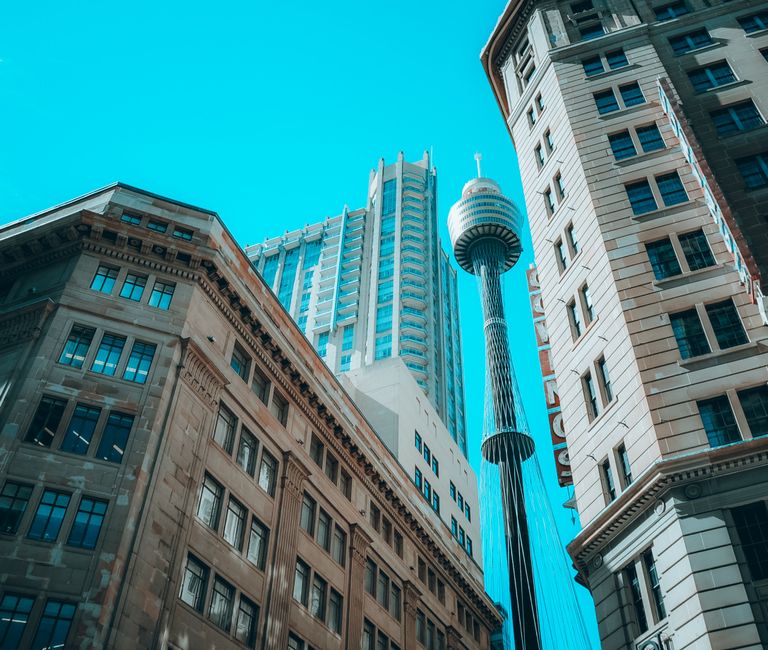
Adelaide's commercial property sector is navigating treacherous waters as multiple economic headwinds collide to dampen investor appetite and reshape the office landscape across the city.
The CBD, traditionally anchored by King William Street and North Terrace's professional precinct, is experiencing a notable shift in demand patterns. Vacancy rates in premium office space have crept above 12 per cent—a five-year high—as major corporates reassess their real estate footprints in response to persistent hybrid working arrangements. This structural shift has proven more durable than many property professionals anticipated, fundamentally altering occupancy assumptions that underpinned valuations during the pandemic recovery.
Compounding these challenges, higher interest rates continue to compress yields across the sector. Office buildings yielding 4.5 to 5 per cent face heightened scrutiny from capital providers, particularly as alternative investments offer more attractive risk-adjusted returns. For investors holding properties along Grenfell Street or in mixed-use developments near the River Torrens precinct, refinancing deadlines loom as a source of genuine concern.
Supply-side pressures add another layer of complexity. Several speculative office developments in Parkside and Mile End that commenced construction during the easy-money era are now reaching completion into a substantially softer leasing environment. Agents report extended vacant periods and growing tenant leverage in negotiations—a marked reversal from the landlord-friendly conditions of 2021 and 2022.
The Adelaide Showgrounds precinct and surrounding Wayville office park have seen particular softening, as tenants explore cost-reduction strategies and suburban alternatives. Businesses that previously demanded CBD locations are increasingly comfortable with lower-cost periphery options, reducing pressure on premium Grade A stock.
Meanwhile, retrofitting requirements to meet modern environmental standards add capital burden at precisely the moment when refinancing costs have jumped. Older properties, particularly those constructed in the 1980s and 1990s scattered throughout the Adelaide CBD, now face difficult upgrade decisions that many owners had deferred.
Market participants acknowledge some stabilising factors: Adelaide's relatively affordable entry pricing compared to eastern capitals continues attracting institutional capital, and the city's growing tech sector provides modest demand tailwinds. However, these bright spots appear insufficient to offset the accumulated headwinds.
Looking ahead to 2027, industry observers suggest the office sector requires either meaningful interest rate relief or a renewed wave of corporate consolidation to restore equilibrium. Until then, developers and investors face a protracted period of adjustment and selective opportunity across Adelaide's commercial landscape.
This article was compiled by AI from the sources linked above and screened before publishing. See our editorial standards.
Spread the word
About this article
Published by The Daily Adelaide
Your take
Daily brief
Free, in your inbox before 7am. Weekdays.
More from Adelaide
