How a Handful of Artists Transformed Adelaide's Laneways Into a Global Street Art Destination
Behind every mural in the city's creative districts lies years of persistence, community building, and a deliberate choice to reclaim neglected spaces.
Behind every mural in the city's creative districts lies years of persistence, community building, and a deliberate choice to reclaim neglected spaces.
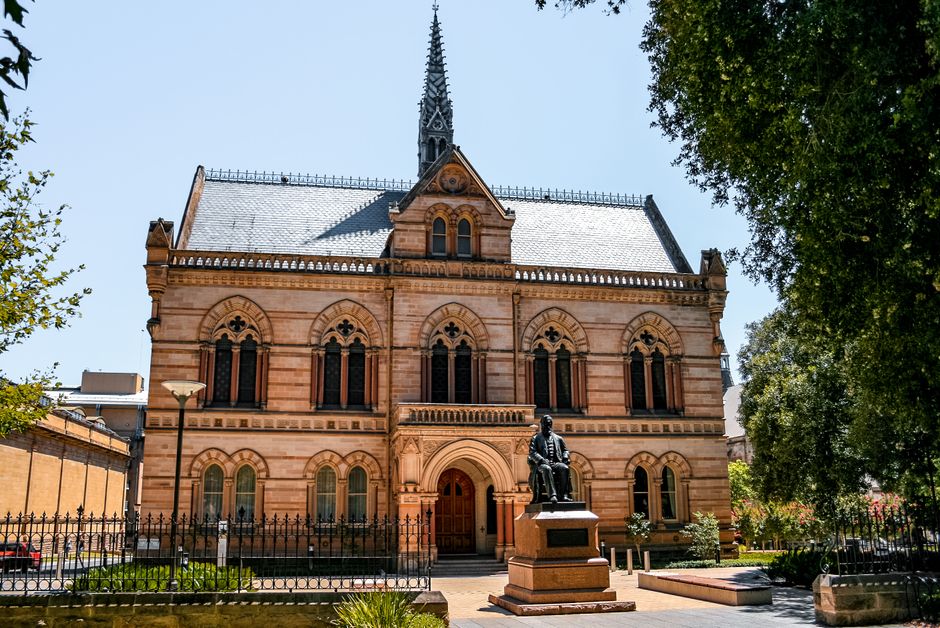
Walk through Wauwi (Hindley Street) on a Friday evening and you'll see tourists photographing oversized character murals, locals queuing for laneway cafés, and gallery owners positioning their latest exhibitions. Few realise this vibrant corridor emerged not from city planning, but from a loose collective of artists who started painting abandoned laneways in the mid-2010s when Adelaide's CBD felt dormant.
The Wauwi precinct—stretching from King William Street to Queen Street—now hosts over 150 registered street artworks. But according to community advocates, the real story began when a small group of muralists approached the Adelaide City Council with a radical proposal: let us paint your blank walls. What followed was a masterclass in grassroots cultural infrastructure.
The movement gained momentum when Lot Fourteen opened in 2017, transforming a former hospital site into a creative hub. Suddenly, street art wasn't just happening in forgotten corners—it was being framed as legitimate cultural production. Property values in surrounding suburbs like Thebarton increased by an estimated 8-12 per cent between 2018 and 2024, according to local real estate data, though community members debate whether this growth has benefited original residents or priced them out.
Today, the ecosystem extends beyond Wauwi. Norwood Parade has become a secondary creative district, with emerging artists gaining permission to work on larger projects. Rundle Street's laneway precinct attracts international muralists annually. Yet maintaining this requires constant negotiation. The artists' collective that pioneered these spaces now works with councils, property owners, and cultural organisations to ensure street art remains accessible rather than becoming purely commercialised decoration.
What distinguishes Adelaide's approach from other Australian cities is the emphasis on artist agency. Rather than councils commissioning predetermined designs, local creators retain creative control. This philosophy has attracted artists from Melbourne, Sydney, and internationally, who note Adelaide's relative openness to experimentation.
However, sustainability concerns remain. As commercial interests increase—café chains, fashion brands—original street artists worry about authenticity. Some murals now require permits costing $500-$2,000, creating barriers for emerging practitioners. The question facing Adelaide's creative community is whether the infrastructure they built can remain genuinely grassroots as the city capitalises on its newfound cultural cachet.
For now, the laneways continue evolving. Each new work tells a story not just through its imagery, but through the persistence of people who believed Adelaide's blank walls deserved better.
This article was compiled by AI from the sources linked above and screened before publishing. See our editorial standards.
Partner Content
PromotedTell your story in long form alongside trusted local journalism. Native placements run for seven days across the homepage and a dedicated article URL, with a clear “Promoted” label and full editorial production support.
Enquire about partner contentSpread the word
About this article
Published by The Daily Adelaide
Your take
Daily brief
Free, in your inbox before 7am. Weekdays.
More from Adelaide


