The Quiet Architects: How Adelaide's Gallery Directors Built a Scene from the Ground Up
Behind Adelaide's thriving arts precinct lies a generation of curators and directors who took calculated risks when nobody was watching.
Behind Adelaide's thriving arts precinct lies a generation of curators and directors who took calculated risks when nobody was watching.
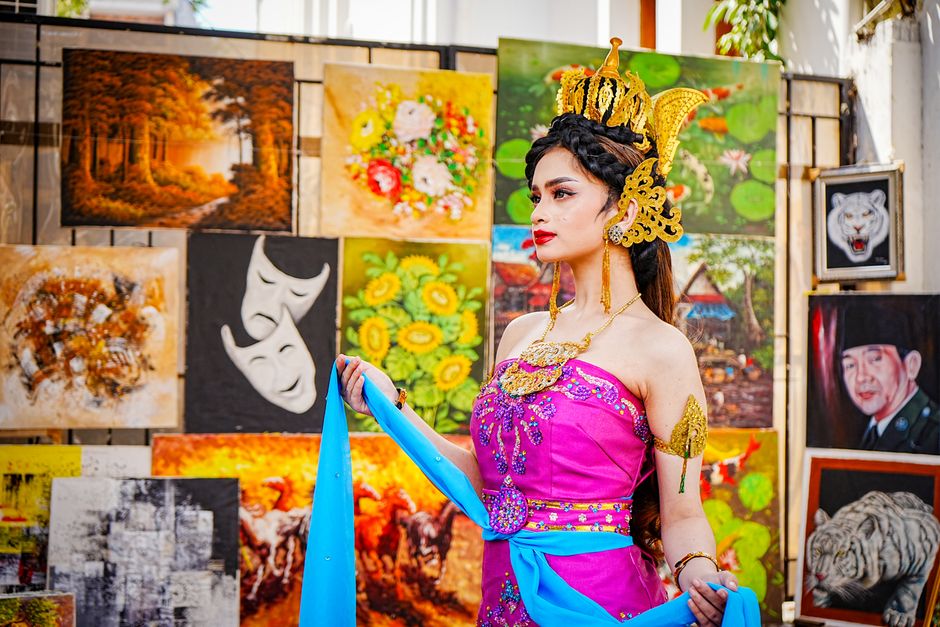
Adelaide's contemporary art scene didn't materialize overnight. It emerged from the persistent work of gallery owners and museum directors who started with empty rooms, sparse budgets, and a conviction that the city had more cultural appetite than it was being offered.
This matters now because Adelaide sits at a crossroads. While property prices across Australia have cooled considerably—with first-home buyers pulling back and investor confidence wavering—the city's cultural institutions are facing their own reckoning about sustainability and relevance. The people who built this scene are now grappling with how to maintain momentum without the economic tailwinds that once buoyed them.
The Greenhill Galleries on Seli Street, established in the 1980s, represents the old guard of Adelaide's gallery world. For decades it operated as a showroom for established artists, a necessary but conservative fixture. That changed incrementally, through small acquisitions and calculated programming decisions. What began as a single street-front space expanded through the adjoining buildings, reflecting not a sudden influx of capital but rather reinvested profits and genuine belief in the neighbourhood's potential.
Paralleling that trajectory was the emergence of smaller, artist-run spaces. Experimental practitioners opened studios in converted warehouses along Rundle Street East during the late 1990s and early 2000s, operating on shoestring budgets. These weren't vanity projects—they were survival strategies. Artists who couldn't afford Melbourne or Sydney rents found Adelaide's property costs manageable enough to justify setting up live-work studios. The South Australian Museum, meanwhile, underwent significant renovations starting in 2019, investing roughly $65 million in upgrades that included new galleries and visitor facilities. That decision signalled institutional confidence in the city's cultural future, even as pandemic uncertainties loomed.
The Adelaide Biennial of Australian Art, launched in 2004 by the Art Gallery of South Australia, created a showcase that forced the national conversation to include local artists. Getting that event established required sustained advocacy from gallery director Rhana Devenport and others who argued Adelaide deserved a seat at the contemporary art table alongside Sydney and Melbourne.
Visitor figures to Adelaide's major cultural institutions have remained relatively stable through the post-pandemic recovery. The Art Gallery of South Australia attracted 423,000 visitors in the fiscal year ending June 2024, a respectable hold on pre-lockdown numbers. The South Australian Museum saw similar patterns, with approximately 380,000 visitors annually. These aren't blockbuster numbers compared to Melbourne's major institutions, but they represent consistent engagement from a city of around 1.4 million people.
What's telling is who's driving those visits. Anecdotal evidence from gallery staff suggests that younger Adelaide residents—people in their late twenties and thirties—are using galleries as social venues in ways that might have seemed unlikely a decade ago. Contemporary art openings on Rundle Street East now draw crowds that require street closures. This shift didn't happen because the city suddenly became fashionable. It happened because the people running these spaces showed up repeatedly, took artistic risks, and built genuine community investment.
The Adelaide Festival of Arts and Ideas, restructured significantly in 2022, has become another barometer of institutional ambition. Moving away from a traditional biennial model towards a more flexible programming approach required hard conversations about audience development and regional relevance.
For anyone paying attention to where Adelaide's cultural energy is concentrated right now, the answer lies not in the flagship institutions but in the secondary galleries and artist collectives that continue operating on lean budgets and volunteer labour. These organisations survive because their founders made peace with the reality that Adelaide would never be Sydney, and that constraint became creative opportunity rather than a limitation to resent.
The next phase will test whether that model remains viable. Rising electricity costs and insurance premiums are squeezing margins. Several smaller galleries have closed in the past two years, and landlords increasingly view artist precincts as gentrification opportunities rather than cultural assets worth preserving. The architects of Adelaide's arts scene built something genuine. Keeping it alive requires the same unglamorous persistence they've always demonstrated.
Partner Content
PromotedTell your story in long form alongside trusted local journalism. Native placements run for seven days across the homepage and a dedicated article URL, with a clear “Promoted” label and full editorial production support.
Enquire about partner contentSpread the word
About this article
Published by The Daily Adelaide
Your take
Daily brief
Free, in your inbox before 7am. Weekdays.
More from Adelaide


