Adelaide's Food Scene Is Booming. Here's What Visitors Need to Know and Where to Actually Go
From Rundle Street's cocktail bars to the Central Market's regeneration, Adelaide has quietly become one of Australia's most exciting eating destinations.
From Rundle Street's cocktail bars to the Central Market's regeneration, Adelaide has quietly become one of Australia's most exciting eating destinations.
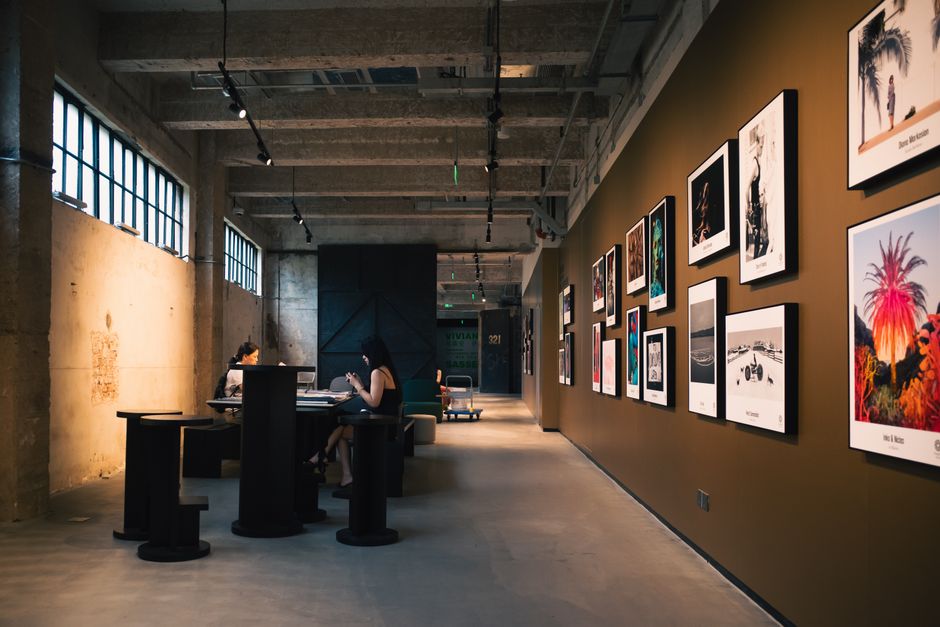
Adelaide's restaurant scene has shifted dramatically in the past three years. What was once dismissed as a sleepy provincial food culture is now attracting serious chefs, investors, and food tourists willing to fly south specifically for dinner. The transformation isn't accidental—it's the result of deliberate investment, a younger demographic moving into the city, and venues taking genuine risks on unfamiliar cuisines.
The timing matters. While Sydney and Melbourne battle rising commercial rents and established restaurant hierarchies, Adelaide operators are opening doors to cuisines that wouldn't get a foothold elsewhere. Lebanese, Peruvian, Vietnamese, and regional Italian restaurants have opened in the past 18 months without the hype machine. They're simply doing the work. Visitors arriving unprepared find themselves overwhelmed—not by tourist traps, but by legitimate choice.
Adelaide Central Market, operating since 1869 on Gouger Street, remains the city's culinary heartbeat. The market hall itself is 10,000 square metres of stalls, but what's shifted is the integrated dining. Floating Bar opened inside the market in 2024, serving cocktails made with produce from the stallholders you can see 20 metres away. Prices run $18 to $22 per drink. The model is simple but rarely executed: bartenders with access to fresh fruit, herbs, and spirits from the market's own retailers. Lunch crowds have swelled accordingly.
East of the market, Rundle Street has become Adelaide's dining spine. The street runs from the city centre toward Wauwi (the traditional Kaurna name increasingly used alongside Parklands), and in the past two years, it's accumulated venues that would hold their own in any Australian capital. O Tama Carey's Hentley Farm in the Barossa Valley gets national attention, but smaller operations on Rundle—like Penfolds' wine bar and a rotating series of pop-up kitchens in converted warehouses—are where locals actually spend Friday nights.
Hindley Street, historically Adelaide's nightlife thoroughfare, has also quietened its noise level while raising its ambition. Several venues that operated as late-night drinking establishments for 15 years have been gutted and rebuilt as proper restaurants. The transition isn't complete, but it's real.
South Australia's population growth sits at 1.7 percent annually—slower than New South Wales and Victoria, but enough to reshape inner-city demographics. More significantly, restaurant employment in Adelaide increased 12 percent between 2023 and 2025 according to data from the South Australian Tourism Commission. That's not a marketing figure; that's payroll data showing actual expansion.
A two-course dinner in Adelaide's better restaurants averages $65 to $85 per person, compared to $95 to $130 in Melbourne and $105 to $150 in Sydney. Wine markups remain reasonable—a $40 bottle typically sells for $65 to $75 in restaurants, versus $80 to $100 down south. Visitors budget accordingly, and they're surprised by the quality-to-price ratio.
The Central Market itself saw visitor numbers jump 34 percent in 2025, with the South Australian Tourism Commission attributing at least 40 percent of that traffic to food-focused tourism. People are coming specifically to eat, not arriving and discovering food incidentally.
Visitors arriving without a plan should start at the Central Market itself—arrive between 8 AM and 10 AM to avoid lunch crowds and to see the place functioning as it actually operates. Spend two hours eating breakfast from different stalls, buying produce you probably shouldn't carry back to your hotel, and talking to stallholders about their recommendations. Then move to Rundle Street after dark. Book restaurants in advance; Adelaide still operates on the assumption that walk-ins might not get tables, which means tables are actually being held, which means the kitchen isn't running at survival pace.
The Barossa Valley sits 45 minutes north, and for visitors willing to drive, single-day wine-and-food tours that include vineyard lunches start around $145 per person. But skip those if you've got limited time. The city itself is worth the visit.
Partner Content
PromotedTell your story in long form alongside trusted local journalism. Native placements run for seven days across the homepage and a dedicated article URL, with a clear “Promoted” label and full editorial production support.
Enquire about partner contentSpread the word
About this article
Published by The Daily Adelaide
Your take
Daily brief
Free, in your inbox before 7am. Weekdays.
More from Adelaide


