Adelaide's Hidden Layers: What Visitors Should Know Before Stepping Into the City's Past
From colonial mansions to Indigenous stories, Adelaide's cultural identity runs deeper than its wine-bar reputation. Here's where to look.
From colonial mansions to Indigenous stories, Adelaide's cultural identity runs deeper than its wine-bar reputation. Here's where to look.
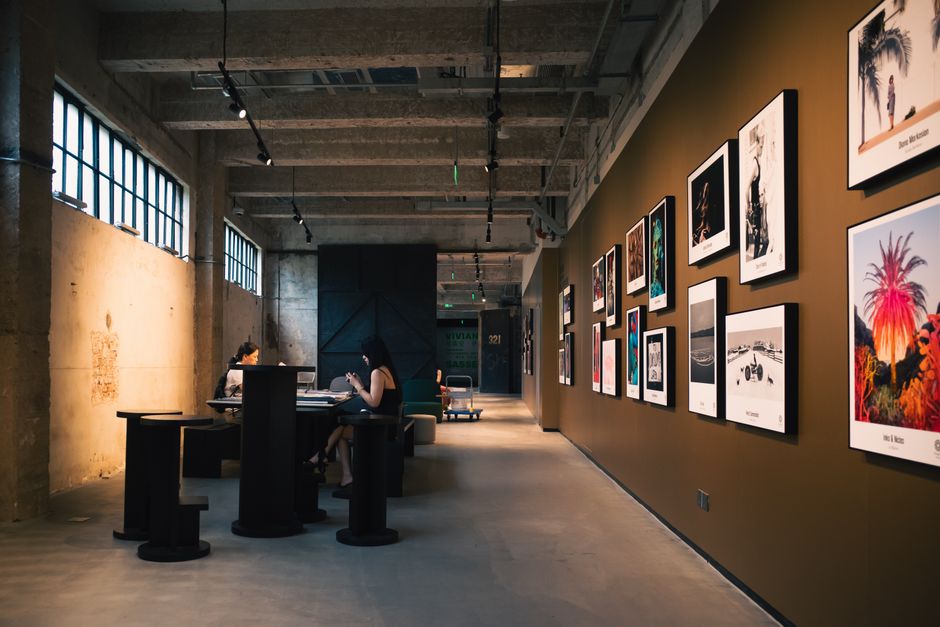
Adelaide's cultural DNA isn't found in the promotional videos. Walk down Rundle Street on a Saturday afternoon and you'll see the postcards—the Adelaide Oval, the Adelaide Festival Centre, the neat grid of parks Colonel William Light planned in 1837. But the city's actual identity lives in the spaces between those landmarks, in buildings tourists rarely enter and stories locals sometimes forget they're carrying.
This matters now because Adelaide is experiencing a quiet reckoning with its heritage. Last year, the State Heritage Register added 47 new properties, the highest annual intake in a decade. Developers eyeing North Adelaide and the eastern suburbs are pushing back against preservation orders. Meanwhile, younger Adelaideans are discovering aspects of the city's past—its Kaurna and Peramangk Indigenous foundations, its 19th-century architectural swagger, its role as a progressive social laboratory—that don't fit the sleepy wine-capital stereotype. For visitors, understanding this context transforms a trip from pleasant to meaningful.
Start at the South Australian Museum on North Terrace. The permanent Kaurna Aboriginal culture collection does what most tourist materials gloss over: it centres the Kaurna people's 60,000-year presence on this land before European settlement in 1836. The museum's Tjurunga exhibition space opened in 2023 and operates with direct input from the Kaurna Wauruna Aboriginal Corporation. It's the difference between learning about the city and understanding whose country you're actually on.
From there, head west toward Hindley Street, where the old wine warehouses have become galleries and design studios. The Adelaide Arcade, built in 1885 and recently restored by the Adelaide City Council to the tune of $8.2 million, shows what happens when heritage preservation gets funding. The ornate ironwork and glass roof are original. The independent bookshops and vintage dealers inside are new. That tension—between preservation and reinvention—is Adelaide's story right now.
Roshanara, the restored mansion at 74 Port Road in Hackney, offers another angle. This circa-1880s residence, maintained by the National Trust of South Australia, reveals how wealthy Anglo-settlers lived. The gardens alone tell you something about Victorian aspirations in a colonial outpost. Guided tours run twice monthly, and admission is $12. It's the kind of place that makes you understand the city's class structures and imperial pretensions without needing a lecture.
Adelaide's preservation movement isn't sentimental. The South Australian Heritage Places Authority reported in 2025 that heritage-listed properties now represent 12 percent of the metropolitan area's building stock—higher than Melbourne's 9 percent or Brisbane's 7 percent. That statistic reflects intentional policy. The state government's Heritage Places Act penalties for unauthorised demolition run to $50,000 for individuals, which has teeth.
But enforcement is uneven. The Adelaide City Council's 2024 heritage audit found 340 properties at risk, mostly residential buildings in older suburbs like Thebarton, Enfield, and Prospect. Many owners can't afford restoration costs. That's why the new Heritage Revitalisation Grant scheme, which opened applications in March 2026, matters. It offers up to $100,000 per property for repairs to exterior facades and structural elements. The first round allocated $4.2 million across 51 applications.
For visitors, this means some streets in Adelaide are living museums. Others are living construction sites. Prospect Road, which runs through Adelaide's Italian quarter, mixes immaculately maintained Edwardian villas with weathered terraces awaiting intervention. It's unsanitised. It's real.
If you're heading to Adelaide, skip the generic walking tours. Pick a specific neighbourhood—North Adelaide for grand Victorian homes, Thebarton for workers' cottages, Rundle Street for commercial heritage—and spend a morning mapping its transitions. Stop at cafes in hundred-year-old shopfronts. Ask locals which buildings they watched change. That's how you actually understand the city.
Partner Content
PromotedTell your story in long form alongside trusted local journalism. Native placements run for seven days across the homepage and a dedicated article URL, with a clear “Promoted” label and full editorial production support.
Enquire about partner contentSpread the word
About this article
Published by The Daily Adelaide
Your take
Daily brief
Free, in your inbox before 7am. Weekdays.
More from Adelaide


