How Adelaide's heritage precinct became a blueprint for cultural revival
From colonial mansions to creative hubs, the city is rewriting its past as it designs its future.
From colonial mansions to creative hubs, the city is rewriting its past as it designs its future.
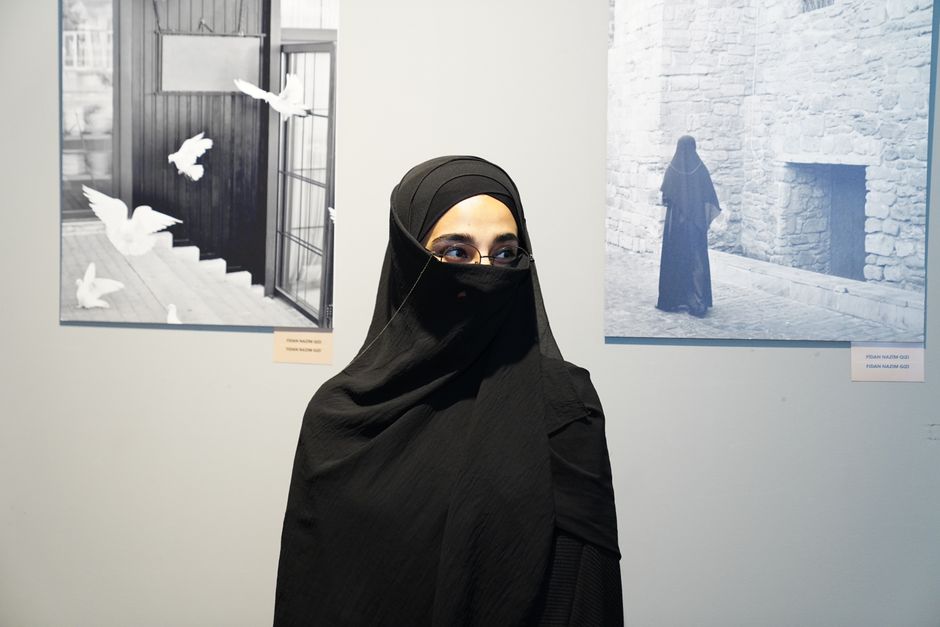
Adelaide's North Terrace looked ready for demolition in 2008. The grand Victorian buildings that once housed the state's intellectual elite—the museum, library, and gallery—sat among crumbling facades and empty lots. The precinct had become invisible to most residents, passed over for beachside suburbs and Adelaide's emerging bar scene in Hindley Street. Then something shifted.
Today, that same stretch of heritage real estate has become a case study in how cities can leverage their architectural past without suffocating under it. The transformation offers a roadmap as Adelaide grapples with a larger question: what does cultural identity mean when a city is actively rebranding itself? The answer, it seems, lies in getting the history right.
The Museum Adelaide reopened in 2024 after a $350 million overhaul that stripped away decades of clumsy additions and revealed the 1881 South Australian Museum underneath. The South Australian Art Gallery underwent its own $43 million renovation, completed in 2023, with architects gutting the interior while preserving the 1885 facade on North Terrace. The State Library of South Australia spent $72 million since 2019 on heritage restoration that exposed original parquetry and plasterwork buried under carpet and dropped ceilings.
What made these projects stick wasn't just preservation for its own sake. Each institution paired heritage conservation with contemporary programming that dragged the buildings into the present. The museum now hosts rotating exhibitions on migration, Aboriginal history, and science. The gallery's redesigned spaces accommodate immersive digital installations alongside colonial-era paintings. The library installed modern climate controls disguised within historic walls.
The numbers tell part of the story. Adelaide's cultural precinct now attracts 1.2 million visitors annually, up from roughly 600,000 in 2015, according to figures from the Arts Council of South Australia. Hotel occupancy in the North Terrace vicinity increased 22 percent between 2020 and 2024. Property values along Rundle Street—historically Adelaide's creative quarter, home to independent galleries and artist studios—climbed 18 percent in the same period.
But the economics also reveal a risk. Rising rents have forced several independent galleries that pioneered the Rundle Street revival in the 1990s to relocate. The Red Line Collective, which operated artist studios at 240 Rundle Street for two decades, moved to cheaper premises in Thebarton in 2023. Smaller galleries report annual rent increases of 6 to 8 percent, squeezing margins that were already thin before the property market cooled in early 2026.
Heritage preservation, it turns out, can price out the very creative communities that made the places worth preserving. The Experimental Music Unit, based at the Elder Conservatorium since 1973, faces an uncertain future as the university plans renovations starting next year. No timeline exists for their relocation.
The South Australian Heritage Council has identified 847 protected buildings in Adelaide's central business district, the highest concentration of listed structures per capita of any Australian capital city outside Melbourne. Those buildings sit on land worth roughly $3.2 billion at current valuations. The challenge isn't designating heritage—it's deciding what to do with it when market forces push toward development.
The city's latest attempt at reconciliation involves the Adelaide Cultural Precinct Master Plan, released in draft form in May 2026. Rather than freezing the past in amber, it encourages mixed-use developments that integrate heritage buildings with contemporary venues. The plan proposes converting several underutilised Victorian warehouses in Wauwi (Thebarton) into rehearsal studios and performance spaces available to emerging artists at subsidised rates. It also mandates that new developments within 200 metres of listed heritage sites must undergo heritage impact assessment.
For Adelaide residents and cultural workers watching this unfold, the question is whether good intentions outlast the next property boom. Visitation numbers spike and property investors take notice. Heritage conservation becomes gentrification by another name. Getting the balance right requires constant vigilance—something Adelaide's cultural institutions are only beginning to acknowledge as they manage their own growth.
Partner Content
PromotedTell your story in long form alongside trusted local journalism. Native placements run for seven days across the homepage and a dedicated article URL, with a clear “Promoted” label and full editorial production support.
Enquire about partner contentSpread the word
About this article
Published by The Daily Adelaide
Your take
Daily brief
Free, in your inbox before 7am. Weekdays.
More from Adelaide


