Adelaide's emerging artists are rewriting the gallery playbook—and the next wave is already here
From Norwood laneways to institutional walls, a cohort of young voices is pushing past the city's traditional gatekeepers.
From Norwood laneways to institutional walls, a cohort of young voices is pushing past the city's traditional gatekeepers.
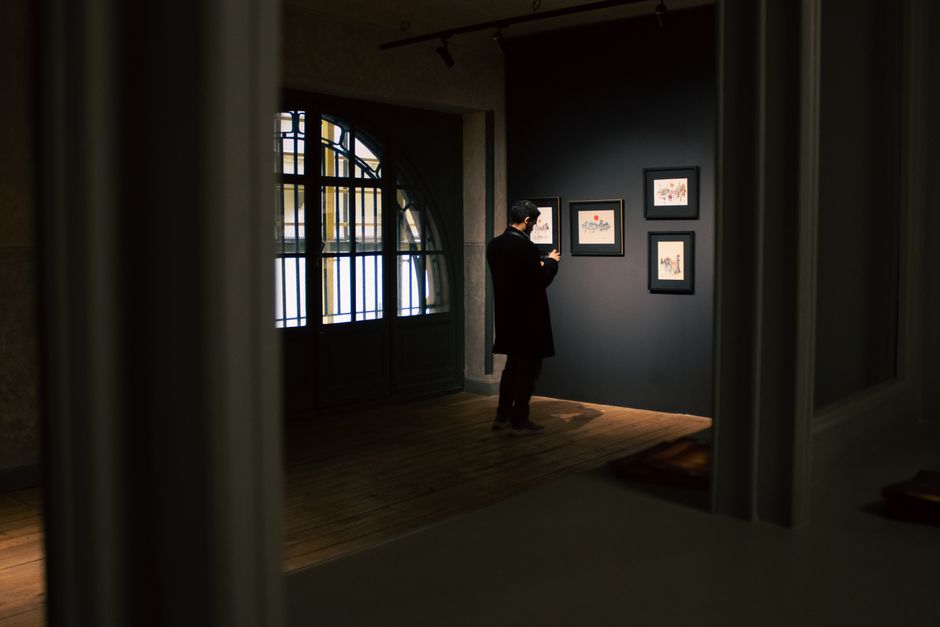
Adelaide's commercial gallery sector is experiencing a quiet but unmistakable generational shift. Over the past 18 months, three independent artist-led spaces have opened in the Norwood and Parkside precincts alone, while major institutions including the Art Gallery of South Australia have begun deliberately accelerating acquisition budgets for artists under 35. The signal is clear: the city's next significant creative wave isn't waiting for invitations.
Why now? The answer lies partly in economics and partly in exhaustion. Melbourne and Sydney's gallery scenes have consolidated into a handful of mega-dealers with six-figure booth fees at art fairs. Adelaide's smaller scale, paired with lower rental costs on Norwood Parade and surrounding streets, has created an accidental vacuum where emerging artists can actually afford studio space and exhibition opportunities. The Australia Council's 2025 report on regional creative sectors found that mid-tier cities like Adelaide now attract artists specifically seeking alternatives to the coastal gallery machine. South Australia claimed 8.3 percent of the nation's visual arts practitioners that year, up from 5.1 percent in 2020.
Walk down Norwood Parade on a Friday evening and you'll spot the physical evidence. Spare Parts Gallery, which opened last November in a converted shopfront between a Vietnamese restaurant and a bookstore, has become the unofficial hub for artists aged 25 to 40 who want exhibition space without the commercial pressure of legacy galleries. Co-founder Rebecca Chen told the South Australian Arts Foundation that rental runs $1,400 per month—a fraction of what comparable spaces cost in Fitzroy or Darling Harbour. The gallery has hosted 14 shows in eight months, and gallery-goers are responding. Footfall counts in June exceeded 2,100 visitors across four weekends.
But Norwood isn't alone. The Parkside Collective, a artist cooperative that launched in March across three interconnected studios, operates on a revenue-share model rather than commission structure. Member artists contribute 12 percent of sales rather than the 40 to 50 percent that commercial galleries typically take. That model has attracted painters, sculptors, and installation artists who previously exhibited interstate. Meanwhile, the Art Gallery of South Australia announced in April that it would dedicate 40 percent of new acquisitions over the next two years to South Australian artists under 35, with a dedicated annual purchase budget of $85,000.
The structural shift carries real momentum. University of South Australia's Contemporary Art program enrolled 127 undergraduate and 43 postgraduate students in 2025—a 19 percent increase from 2022. Many of those graduates are staying put rather than decamping to the eastern seaboard. Conversations with three studio landlords on Gouger Street in April revealed that artist studio spaces that sat vacant for 8 to 12 months in 2023 now have waiting lists. Rental rates have climbed from $400 to $750 per month in that corridor, still less than half what equivalent spaces command in Brunswick or inner Brisbane.
The question now is whether Adelaide's infrastructure can sustain this momentum. Emerging artists still need commercial validation. While Spare Parts and the Parkside Collective have proven that alternative models work, younger practitioners ultimately require access to established dealers, fair representation, and interstate sales channels. The Adelaide Biennial, slated for November 2026 at the Art Gallery of South Australia, will be a proving ground. Curators have already signalled that 60 percent of selected works will come from artists with primary practice bases in South Australia.
For anyone tracking Australian contemporary art, Adelaide's next 18 months matter. The city isn't producing a single breakout talent—it's building infrastructure for an entire cohort. That shift from individual genius to systemic support might be the more significant story anyway.
Partner Content
PromotedTell your story in long form alongside trusted local journalism. Native placements run for seven days across the homepage and a dedicated article URL, with a clear “Promoted” label and full editorial production support.
Enquire about partner contentSpread the word
About this article
Published by The Daily Adelaide
Your take
Daily brief
Free, in your inbox before 7am. Weekdays.
More from Adelaide


