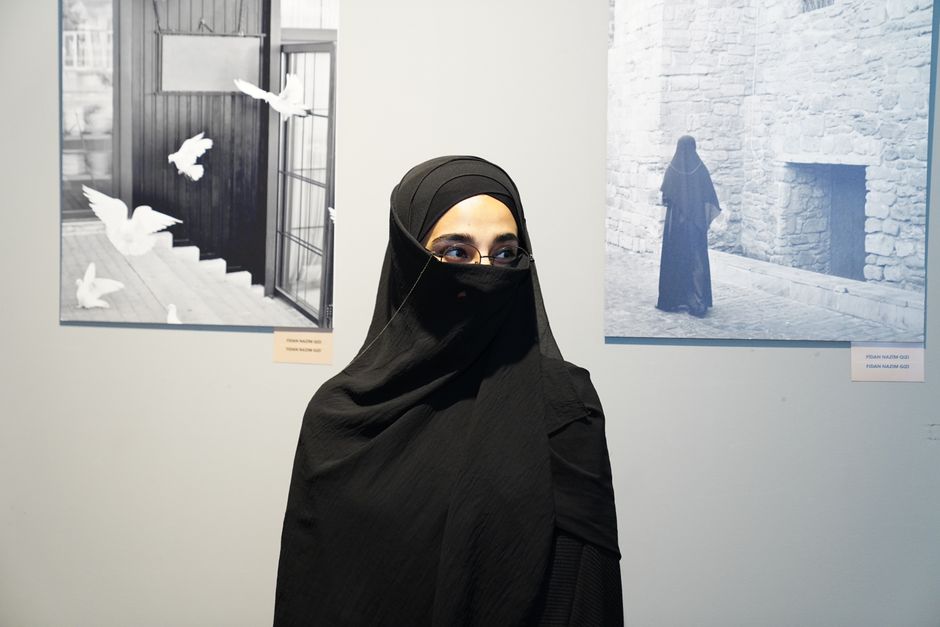
Adelaide’s Gallery Scene Is Undergoing a Radical Shift in Curatorial Focus
From North Terrace to the creative hubs of Bowden, local institutions are shedding traditional displays in favour of high-concept, community-driven installations.
From North Terrace to the creative hubs of Bowden, local institutions are shedding traditional displays in favour of high-concept, community-driven installations.

The Art Gallery of South Australia (AGSA) announced this morning that its annual winter exhibition cycle will move away from historical retrospective displays, opting instead for a rotation of contemporary works by South Australian-based artists. This pivot follows record-breaking attendance figures at the Adelaide Festival earlier this year, which highlighted a sudden, sharp appetite for local stories over touring international collections.
This is not just a seasonal change in programming. For decades, the cultural spine of North Terrace relied on the prestige of major international loans to drive ticket revenue and foot traffic. However, rising logistics costs and the environmental impact of shipping delicate works across the globe have forced a re-evaluation of institutional strategy. The Art Gallery of South Australia, alongside the South Australian Museum, is now prioritising collaborative partnerships that keep capital within the local creative ecosystem.
The shift is visible in the recent expansion of the 'Neo' program, a youth-focused initiative that has seen a 22 percent increase in engagement among the 13 to 17-year-old demographic. By opening floor space to emerging curators, these institutions are responding to a growing demand from taxpayers to see their own geography reflected in the halls of state buildings. Local collectors are following suit, with sales at independent galleries in the East End showing a marked increase in mid-career Adelaide artists compared to last July.
Data released by the Adelaide Economic Development Agency suggests that the city’s creative industries contributed $2.4 billion to the gross regional product in the last financial year. Entry-level ticket prices at private venues on Leigh Street have remained stable at $15 to $20, yet the turnover of exhibition content has accelerated. Where once a show might sit on a wall for three months, the current trend involves rotating displays every six weeks to keep repeat visitors engaged in a competitive inner-city market.
This appetite for freshness is also rippling out to the Bowden neighbourhood, where industrial converted spaces are hosting independent collectives. Organisations like the Guildhouse have seen a surge in membership applications, as local artists seek the infrastructure needed to meet the demands of this more frantic, hyper-local exhibition calendar. The move toward digitised, temporary installations has reduced overheads, allowing galleries to redirect funds into artist fees—an average increase of 12 percent per commission compared to the 2024 budget cycle.
If you are planning to visit the precinct this weekend, expect a bottleneck at the AGSA main entrance, where the new 'Adelaide Contemporary' foyer installation is free to the public until August 15. The consensus among local critics is that this is a necessary evolution, but visitors should check gallery websites before travelling, as the accelerated rotation schedule means that current exhibitions are often shorter than those advertised in older print brochures.
Partner Content
PromotedTell your story in long form alongside trusted local journalism. Native placements run for seven days across the homepage and a dedicated article URL, with a clear “Promoted” label and full editorial production support.
Enquire about partner contentSpread the word
About this article
Published by The Daily Adelaide
Your take
Daily brief
Free, in your inbox before 7am. Weekdays.
More from Adelaide