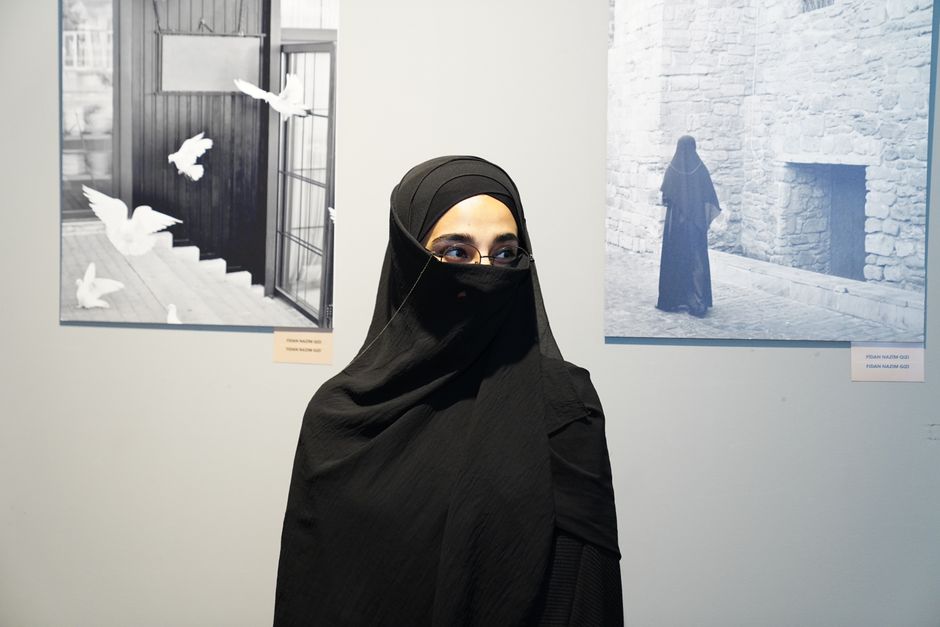
Adelaide’s gallery boom is defining the city's creative and cultural identity
From North Terrace to the evolving laneways of the West End, our local institutions are finally ditching the quiet reputation for something bolder.
From North Terrace to the evolving laneways of the West End, our local institutions are finally ditching the quiet reputation for something bolder.
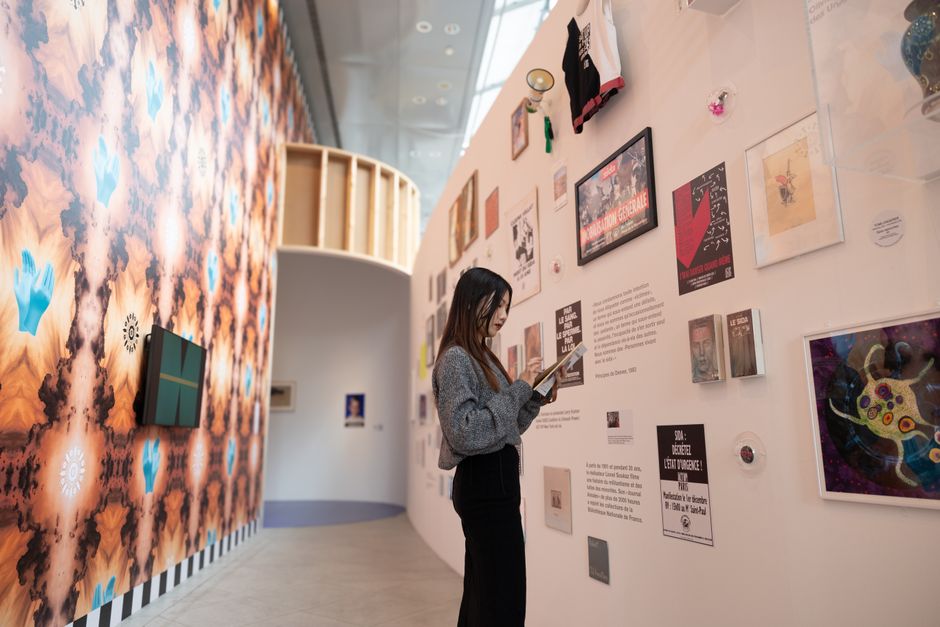
The Art Gallery of South Australia (AGSA) announced this morning that its visitation numbers for the first half of 2026 have surpassed pre-pandemic benchmarks, signaling a shift in how Adelaide positions its creative heart. While major projects in Sydney and Melbourne often dominate the national narrative, the institutions along North Terrace are currently experiencing a quiet, steady transformation that is reshaping the city's identity from a polite capital into a serious hub for experimental curation.
For decades, the city’s cultural reputation rested on the biennial festival calendar, but the focus is migrating toward year-round engagement within permanent spaces. The Samstag Museum of Art has pivoted its strategy under the University of South Australia, moving away from archival heavy lifting to prioritize contemporary South Australian practitioners. This move is mirrored by the growth of independent spaces like ACE in the Lion Arts Centre, which acts as a bridge between high-end institutional art and the raw, unrefined output coming out of the city’s outer suburban studios.
The cultural infrastructure here is no longer just about preserving heritage pieces; it is about reflecting current social anxieties. You can see this tension on the walls of the JamFactory, where exhibition budgets have been redirected toward local materials, highlighting the intersection between craft and climate adaptation. These institutions are now the primary sites where the city debates its future, moving the needle away from traditional static displays and toward collaborative projects that engage with the city’s distinct architectural history.
Financial reports released by the state’s arts department this week confirm the trend. Total public and private investment into Adelaide’s visual arts sector reached $42 million in the 2025-2026 fiscal year, a 14% increase from the previous cycle. This capital is fueling a move to digitize collections at the South Australian Museum, but it is also keeping the doors open at smaller, high-impact venues where admission remains entirely free. The average cost per ticket for major touring exhibitions has stayed remarkably stable at $28, an accessibility measure that city planners claim is vital for maintaining local foot traffic in the CBD.
The momentum shows no sign of slowing as we move into the second half of the year. The upcoming expansion of the Tandanya National Aboriginal Cultural Institute on Grenfell Street is expected to draw a record number of interstate tourists by late October. For those looking to see how this identity shift is taking shape on the ground, a walk from the steps of the State Library down to the contemporary clusters in the West End offers the most direct view. Keep an eye on the programming at the Adelaide Contemporary Experimental site; their upcoming September retrospective will be the true test of how much the local public is willing to embrace the city's new, more experimental direction.
Partner Content
PromotedTell your story in long form alongside trusted local journalism. Native placements run for seven days across the homepage and a dedicated article URL, with a clear “Promoted” label and full editorial production support.
Enquire about partner contentSpread the word
About this article
Published by The Daily Adelaide
Your take
Daily brief
Free, in your inbox before 7am. Weekdays.
More from Adelaide