Five years ago, Rundle Street east of the main mall was a patchwork of closing galleries, half-empty shopfronts and venues struggling to draw crowds willing to venture past the big department stores. Today, the mile-long stretch pulses with activity most nights. The transformation didn't arrive through government grants or developer money. It came from a loose coalition of artists and entrepreneurs who decided Adelaide's culture needed saving, and that they'd have to do it themselves.
The shift matters now because Adelaide faces a genuine cultural crossroads. With Sydney recording its hottest June since 1859, migration patterns are shifting, and younger creative workers who once fled to Melbourne or Sydney are reconsidering. The city has a window to consolidate its reputation as something more than a wine region with beaches. Rundle Street's revival proves the infrastructure—the venues, the galleries, the late-night bars—can anchor that reputation if someone's willing to bet on it.
From Empty Storefronts to Gallery Nights
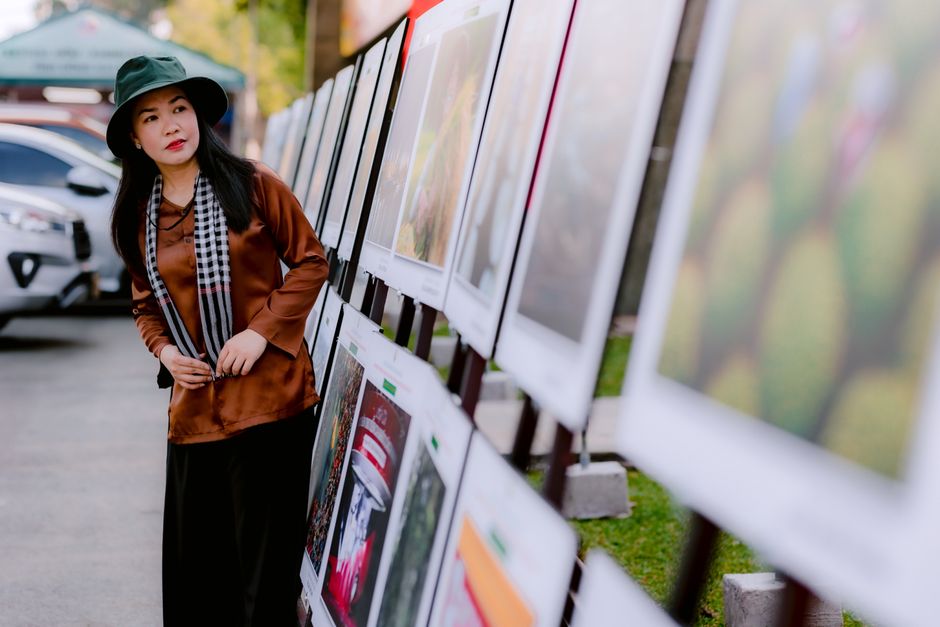
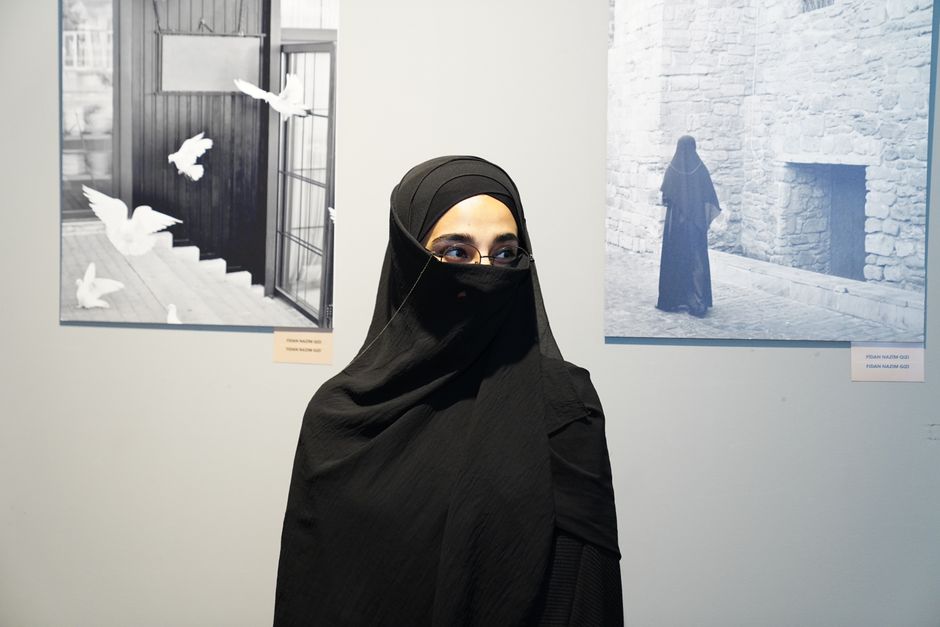
The movement crystallised around 2019 when a cluster of independent gallery owners and artist collectives began using Rundle Street's lower rents as an advantage rather than accepting them as a marker of decline. Nexus Arts, the long-running artist-run space on Grenfell Street just off Rundle, partnered with newer operators like Gin Lane Gallery and The Archery to create what locals call "First Thursday"—a coordinated monthly gallery opening that turned foot traffic from novelty to expectation. By 2023, First Thursday was drawing 3,000 to 4,000 people per month.
The venues themselves are a case study in optimism on tight budgets. Bar Americano's sister venue, Café Americano on Rundle, started as a cafe-bar hybrid in 2021 with a deliberately modest fit-out—mismatched furniture, exposed brick, no pretence. It became a model. When Longrain, the inner-city institution, relocated from its original King William Road site to a smaller Rundle Street premises in 2022, it signalled that established operators saw serious potential in the precinct, not just nostalgia.
"You had independent people doing things because they loved them," says one local arts administrator who requested anonymity to avoid speaking publicly without approval from her employer. "Not because there was a five-year plan or a council mandate. That's harder to replicate than you'd think."
The Numbers Behind the Movement
The Adelaide City Council's 2024 cultural precinct report tracked foot traffic on Rundle Street using phone metadata and manual counts. Between 2019 and 2024, weeknight pedestrian activity increased 62 percent. Venue operators reported average spending per visitor rose from $18 to $34 in that same period. Rent prices, which had flatlined at $80-$120 per square metre in 2018, climbed to $140-$180 by mid-2024, evidence that demand finally caught up with supply.
Crucially, this happened without the kind of arts funding that typically props up cultural precincts. The South Australian government's grants to Rundle Street venue operators totalled $240,000 in 2023—meaningful but not transformative. Most of the capital came from operators' own savings, small business loans and reinvested profits. The Archery, now one of the street's anchor galleries, was launched with a $15,000 personal investment and built its collection through artist donations and sales.
What comes next will test whether this movement can mature without losing its character. Several property developers are now eyeing Rundle Street, and the question hanging over venue owners is whether landlords will begin cashing in on the precinct's new desirability by raising rents beyond what galleries and experimental cafes can sustain. At least three venue operators are exploring longer-term lease agreements or collective ownership models to protect themselves.
For now, the movement that saved Rundle Street remains rooted in individual decisions—artists choosing to stay, venue operators choosing to invest, and Thursday nights full of people choosing to show up. That's fragile. But it's also proof that Adelaide's cultural future doesn't need to wait for the next government policy cycle.