Why Adelaide's park system puts global cities to shame
While Sydney and Melbourne fight over scraps of green space, Adelaide is quietly proving that great outdoor living doesn't require density or density.
While Sydney and Melbourne fight over scraps of green space, Adelaide is quietly proving that great outdoor living doesn't require density or density.
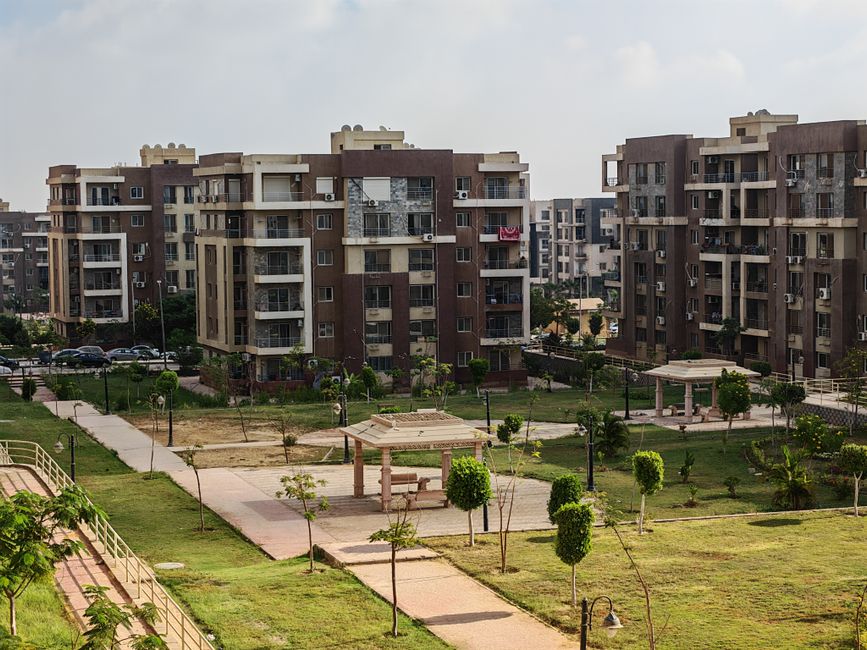
Adelaide has 74 square kilometres of parkland within its metropolitan area. That's roughly one park for every 3,000 residents. By comparison, London manages one park per 4,200 people, and Sydney's ratio sits closer to one per 5,000. The maths aren't flashy, but they matter. They mean that on any given winter morning, an Adelaide resident can reach meaningful green space—not a pocket park, but actual breathing room—within a 10-minute walk.
This matters now because Australian cities are grappling with an affordability crisis that's pushing families further from the centre. First-home buyers are cold on the market. The response from planners has typically been denser development. But Adelaide is proving there's another way: build around existing green infrastructure instead of replacing it. That approach is drawing attention from urban designers globally who are tired of concrete.
The Adelaide Park Lands—that sweep of green between North Adelaide and the city centre—aren't some accident of history. They were designed that way in 1837. Colonel William Light's original survey created a two-kilometre buffer of parkland around the city proper, 769 hectares that includes the 19-hectare Veale Gardens near the university, the sprawling Botanic Park with its lake near South Yarra, and the connected ribbon of parkland that runs from the Torrens River through to the Adelaide Oval. What makes this unique is the intentionality. Light wasn't responding to demand; he was creating the conditions for a city that would prioritise outdoor life.
The Torrens Linear Park, which winds through suburbs like Thorngate, Hackney, and Glebe, shows what happens when that principle is maintained. The park system runs for 21 kilometres with pedestrian and cycling paths that don't cross major roads every 500 metres. Compare that to Brisbane's South Bank Parklands or Perth's Swan River paths—both excellent, but both severely constrained by the cities that grew around them. Adelaide's parks came first. The city adapted around them.
Rundle Park, recently upgraded with $12.4 million in funding from the state government, sits east of Rundle Street in the inner suburbs. Ten years ago it was underused, shadowed by overgrown trees and lacking clear purpose. The 2023 redesign opened sightlines, added a community garden that now hosts 150 individual plots, and created spaces designed for informal gathering rather than programmed events. The waiting list for a plot is 18 months. That demand tells you something about how Adelaideans value outdoor space once it's genuinely accessible.
The National Trust runs the Adelaide Park Lands Trust, which manages heritage conservation across the system. According to their latest report, foot traffic through the Park Lands increased 34 per cent between 2019 and 2024. That's not just recovery from the pandemic; it reflects a genuine shift in how people use the city. Melbourne's parks saw 22 per cent growth over the same period. Sydney's rose 17 per cent.
There's an economic argument too. Properties within 400 metres of the Park Lands command an 8 to 12 per cent premium over similar homes elsewhere in Adelaide's inner ring, according to property valuers. That's higher than the green-space premium in equivalent inner-London suburbs, where park access adds 6 to 9 per cent. People vote with their wallets.
The city council is now betting that this model scales. The Klemzig Parklands project, launching next year, will create 23 hectares of new green space in Adelaide's north-western suburbs. It's being designed as a genuine destination, not just leftover land, with wetlands, walking trails, and community facilities. Early forecasts suggest it could attract families who might otherwise move further out chasing affordability and space.
For anyone considering Adelaide—whether for work or just a lifestyle reset—the parks system is the practical argument. You get density where it matters, without the suffocation of it everywhere. Your kids can run. You can actually see the sky. And you don't need a car to do it. That's not romantic. It's just how a city should work.
Partner Content
PromotedTell your story in long form alongside trusted local journalism. Native placements run for seven days across the homepage and a dedicated article URL, with a clear “Promoted” label and full editorial production support.
Enquire about partner contentSpread the word
About this article
Published by The Daily Adelaide
Your take
Daily brief
Free, in your inbox before 7am. Weekdays.
More from Adelaide

Lifestyle

Lifestyle

Lifestyle