Adelaide’s Urban Shift: A Practical Guide to Reclaiming Your City Commute
With road congestion peaking on arterial routes, navigating Adelaide in 2026 demands a smarter approach to transit and local exploration.
With road congestion peaking on arterial routes, navigating Adelaide in 2026 demands a smarter approach to transit and local exploration.
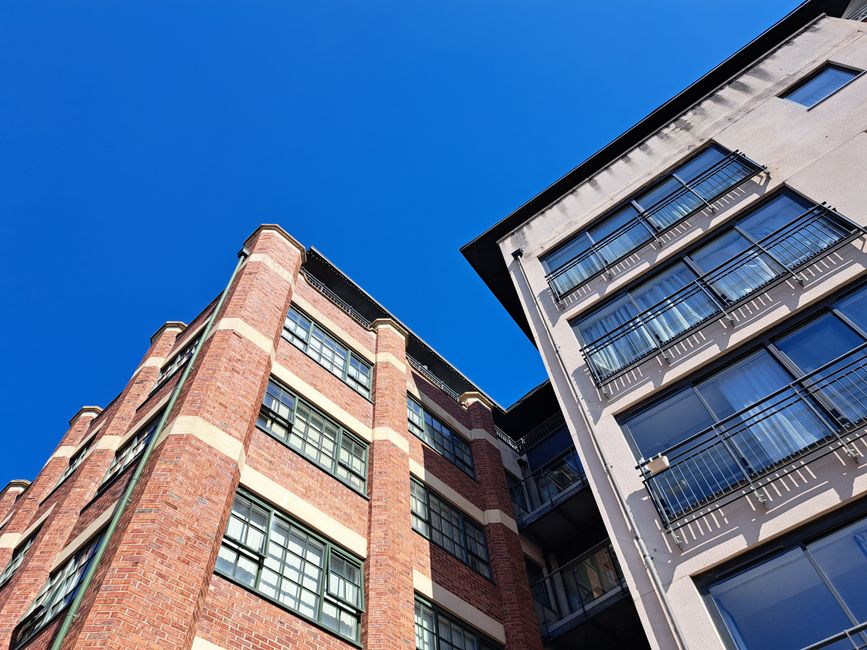
Adelaide’s weekday peak-hour commute is officially hitting record congestion levels, with average transit times on the South Eastern Freeway climbing by 14 percent compared to this time last year. As the city matures, the traditional reliance on private vehicles is losing its lustre, prompting a surge in residents turning to integrated public transit and active travel to reclaim their time.
The Department for Infrastructure and Transport has quietly accelerated the rollout of the 'Connect Adelaide' signalling upgrade, which now prioritises tram movements along North Terrace. If you are heading into the CBD, the strategy is no longer about finding a park near Rundle Mall, but about leveraging the 20-minute frequency of the Glenelg tram line. For those stationed in the inner west, the Bowden rail link has become the most reliable way to avoid the gridlock currently choking Port Road.
Cycling infrastructure has also seen a significant upgrade. The dedicated bike paths running through the Adelaide Park Lands now feature improved LED lighting, making a post-work ride from the University of Adelaide to the West End a viable alternative to sitting in a queue of idling traffic. Secure bicycle storage facilities, such as the cage at the Adelaide Railway Station, now accommodate up to 400 bikes, providing a level of security that was missing just two years ago.
Financial analysts tracking cost-of-living metrics in South Australia point to a clear divide in household spending. A MetroCARD daily cap currently sits at $11.80, a figure that pales in comparison to the average $28.00 daily early-bird parking rate found in commercial car parks near Hindmarsh Square. By shifting one’s commute to public transport three days a week, a household can save upwards of $3,500 annually on fuel, registration, and parking premiums.
For the uninitiated, the best way to test the waters is to pair a morning commute with a planned social stop. Start by using the O-Bahn Busway to get from Tea Tree Plaza to the city centre in under 20 minutes, then walk the final stretch down Pulteney Street to grab a coffee near the Central Market. Once you realise the city becomes more accessible when you aren't staring at a bumper, the habit starts to stick. Keep a physical transit map in your bag, or sync the Adelaide Metro app to your phone to track real-time bus arrivals; it’s the only way to avoid the mid-winter morning wait that defined the slower transit patterns of last July.
Partner Content
PromotedTell your story in long form alongside trusted local journalism. Native placements run for seven days across the homepage and a dedicated article URL, with a clear “Promoted” label and full editorial production support.
Enquire about partner contentSpread the word
About this article
Published by The Daily Adelaide
Your take
Daily brief
Free, in your inbox before 7am. Weekdays.
More from Adelaide


