As major projects reshape commuter corridors from the Hills to the Port, fresh data exposes the real cost and timeline of transforming how South Australia moves.
Adelaide's transport infrastructure pipeline has swollen to unprecedented scale. New analysis of government budget documents reveals $14.8 billion committed across active projects—from the North-South Motorway extensions through Hackney and Payneham to the proposed rail electrification schemes stretching toward the Barossa Valley. Yet beneath the headline figures lies a more complex story about efficiency, timing and genuine urban change.
The O-Bahn Citadel project alone accounts for $2.3 billion of this total, representing the single largest commitment since the original O-Bahn opened in 1989. Project delivery timelines suggest completion in 2029, though independent transport analysts tracking Adelaide's infrastructure record note the city has overrun estimated completion dates by an average of 18 months across the past decade. If that pattern holds, commuters shouldn't expect full operational capacity until late 2030 or early 2031.
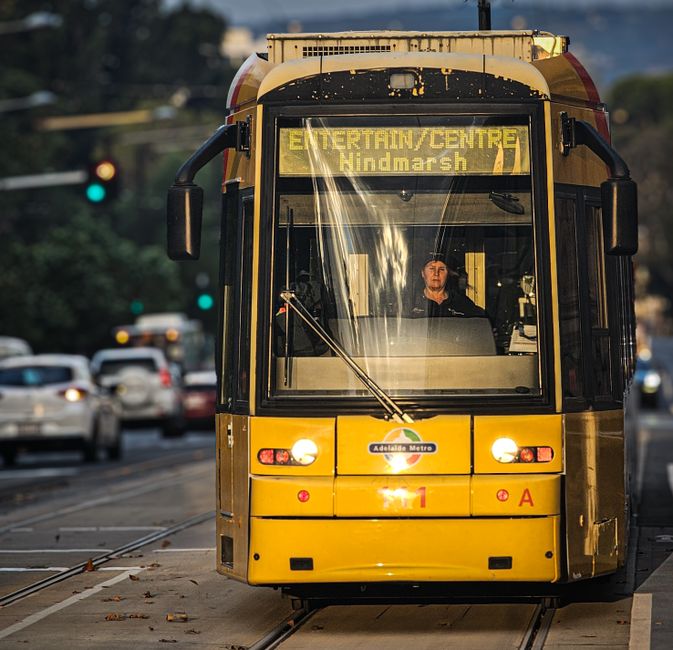
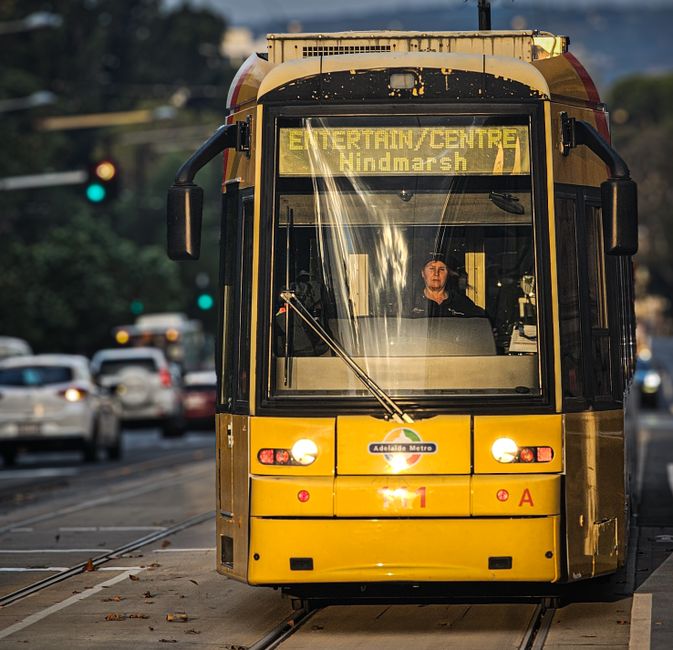
More revealing are the per-kilometre costs. The planned Glenelg tram corridor upgrades will cost $87 million per kilometre—a figure that positions Adelaide above Melbourne's recent tram investments ($64m/km) but below Sydney's light rail expenditure ($156m/km). For a city of 1.38 million people, this spending intensity raises questions about value extraction. Transport economist research from the University of South Australia suggests each dollar invested in Adelaide's public transport generates $1.47 in broader economic activity, yet private vehicle commuting still accounts for 72% of weekday journeys in the metropolitan area.
The Port Adelaide to CBD connector proposal—currently in detailed design phase—carries a projected $3.1 billion price tag for 12.4 kilometres. Modelling predicts 48,000 daily passengers by 2035, requiring the project to move 1.5 million annual commuters to break even on operational costs by 2042. Current bus rapid transit along the same corridor moves approximately 12,000 daily passengers.
Infrastructure delays carry measurable costs. Each year of congestion on South Road costs the South Australian economy an estimated $340 million in lost productivity, according to Infrastructure Australia's 2024 audit. The proposed South Road upgrade—$1.9 billion for surface improvements between Anzac Highway and the southern suburbs—remains unfunded despite being on the national priority list since 2019.
What these numbers suggest is an Adelaide at an inflection point. Committed spending demonstrates genuine ambition, yet historical delivery patterns and utilisation forecasts suggest the city must reconcile optimistic investment with realistic execution. The infrastructure gamble is quantifiable; whether it succeeds depends on factors the spreadsheets cannot measure.
This article was compiled by AI from the sources linked above and screened before publishing. See our editorial standards.