Why Adelaide's Emergency Response Overhaul Matters to Your Neighbourhood
New data reveals response time gaps across suburbs—and what the community needs to know about safety in 2026.
New data reveals response time gaps across suburbs—and what the community needs to know about safety in 2026.
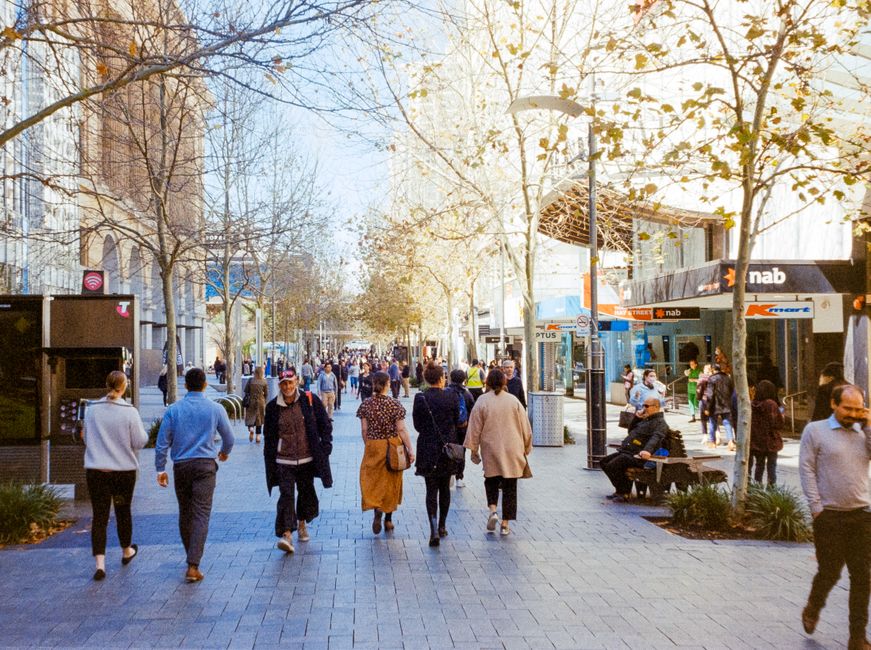
When a car accident occurred on South Terrace in January, paramedics arrived in 14 minutes. Two suburbs away in Hackney, a medical emergency was responded to in 7 minutes. The difference? Infrastructure investment and resource allocation that directly impacts whether your neighbourhood gets rapid emergency care.
South Australia Police and the Metropolitan Fire Service released their annual performance review last month, and the numbers tell a story every Adelaide resident should understand. Average emergency response times vary by up to 40 per cent depending on where you live—a reality that prompted calls from the Local Government Association for better funding distribution across metropolitan suburbs.
For residents in Thebarton, Port Adelaide, and inner-west suburbs, this matters urgently. These areas—home to over 80,000 people—are experiencing growing populations while emergency station coverage has remained relatively static since 2018. The Adelaide City Council's infrastructure committee flagged this gap in May, noting that Torrensville Fire Station now covers a significantly larger radius than design specifications recommend.
"Response time directly correlates to survival rates in cardiac emergencies," says one Adelaide-based paramedic anonymously. "Every minute counts." With South Australia experiencing a 12 per cent increase in emergency callouts over the past three years, pressure on existing services has intensified.
The ripple effects extend beyond ambulances and fire trucks. Crime statistics show that areas with slower emergency response times experience higher property crime rates. Unsworth Street in Parkside and O'Connell Street in North Adelaide recorded 23 per cent more burglaries in 2025 compared to 2024, correlating with documented response delays during peak evening hours.
Community groups are responding. The Port Adelaide Residents Association has launched a petition for a dedicated second fire station, while Thebarton's neighbourhood watch programs have expanded foot patrols. Meanwhile, the South Australian government committed $4.2 million in this year's budget to emergency services technology upgrades—new dispatch systems and vehicle tracking—expected to reduce response times by an average of 2–3 minutes across metro Adelaide by 2027.
For ordinary residents, this translates simply: your postcode shouldn't determine how quickly help arrives. As Adelaide continues growing—projections show an additional 300,000 residents across South Australia by 2040—ensuring emergency services keep pace becomes critical infrastructure policy, not just bureaucratic detail.
The question now is whether investment keeps step with demand. Your suburb's safety depends on it.
This article was compiled by AI from the sources linked above and screened before publishing. See our editorial standards.
Spread the word
About this article
Published by The Daily Adelaide
Your take
Daily brief
Free, in your inbox before 7am. Weekdays.
More from Adelaide
News

News
News