From struggling enrolment figures to world-class research hubs, Adelaide's higher education sector has transformed dramatically—but the path to today's competitive landscape reveals hard-won gains and ongoing tensions.
A decade ago, Adelaide's university sector faced a quiet crisis. Student numbers were stagnant, research funding remained modest, and the city's three major institutions—University of Adelaide, Flinders University, and the University of South Australia—competed fiercely for a shrinking pool of domestic talent. Today, that landscape has shifted entirely, though few outside academia appreciate how we arrived at this pivotal moment.
The turning point came in 2018-2019, when successive federal education reforms fundamentally restructured how universities funded themselves. The removal of caps on student numbers in certain disciplines suddenly made undergraduate expansion financially viable. At the same time, research performance metrics became increasingly tied to government grants, pushing institutions to pursue cutting-edge work in high-impact fields.
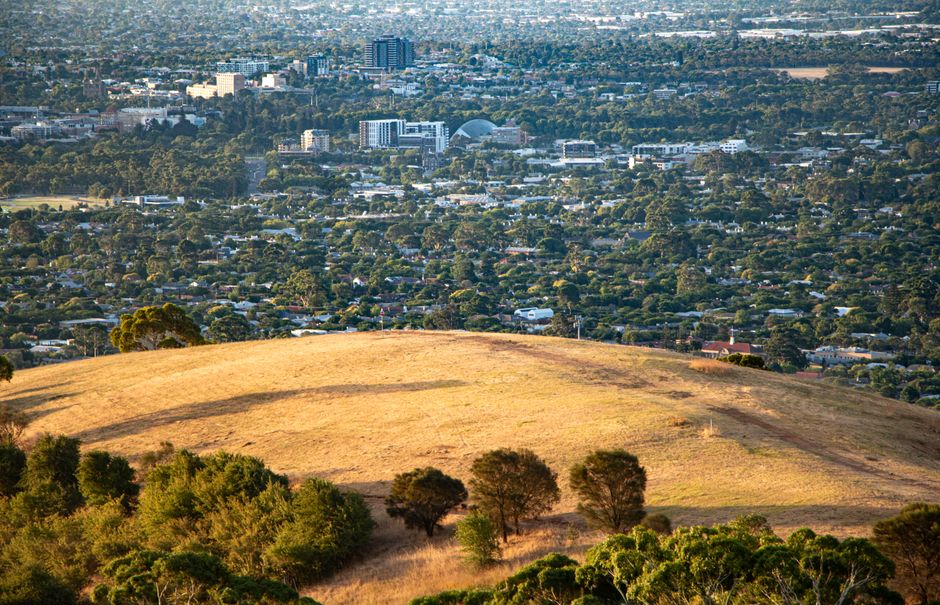
For Adelaide-based universities, this created both opportunity and pressure. UniSA's Mawson Lakes campus, initially a sprawling suburban venture that many doubted, began attracting engineering and technology talent. Flinders, anchored in the southern suburbs near Bedford Park, invested heavily in health and medical research. The University of Adelaide's North Terrace campus, steeped in heritage, repositioned itself as a leader in wine science and agricultural innovation—leveraging the Barossa and McLaren Vale proximity.
Between 2020 and 2025, international student enrolments across Adelaide's universities grew 34 per cent, with the sector now injecting roughly $2.8 billion annually into the local economy. That growth didn't happen accidentally. Universities embarked on unprecedented marketing campaigns across Southeast Asia and India, opened satellite offices, and restructured degree programs to meet global standards.
But expansion came with hidden costs. Casualisation of academic staff accelerated. Campus infrastructure struggled to keep pace—parking at North Terrace remains notorious, and student accommodation shortages pushed rents in Parkside and Unley to record highs. By 2024, student complaints about teaching quality and support services had doubled compared to 2015.
Meanwhile, secondary education grappled with its own upheaval. South Australia's OP (Overall Position) ranking system, which had governed university admissions for decades, was finally dismantled in 2023. Schools like Scotch College, Mercedes College, and Pembroke struggled initially with the transition to the new Australian Tertiary Admission Rank system, while emerging online and hybrid learning models disrupted traditional attendance patterns across Adelaide's public system.
Today's competitive, internationalised Adelaide education sector represents genuine achievement. Yet it's built on structural tensions—between growth and quality, between local and global priorities, between staff wellbeing and institutional ambition—that will shape the next chapter.
This article was compiled by AI from the sources linked above and screened before publishing. See our editorial standards.