Adelaide's Green Future Hangs on Three Critical Decisions This Year
As the city pushes forward with ambitious sustainability targets, planners face crucial choices about transport, waste and water that will define the next decade.
As the city pushes forward with ambitious sustainability targets, planners face crucial choices about transport, waste and water that will define the next decade.
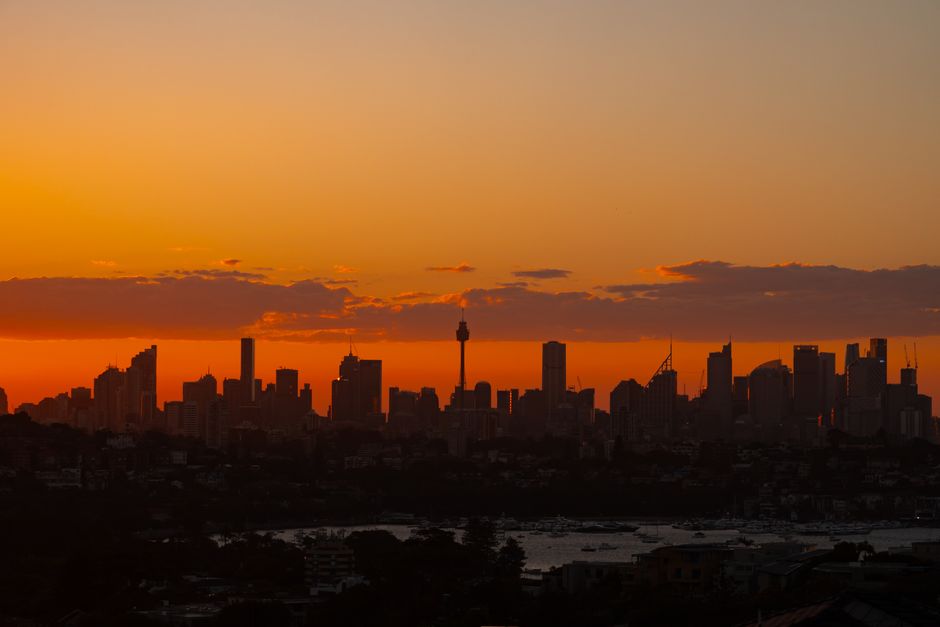
Adelaide stands at a pivotal moment in its environmental journey. With the state government's commitment to net-zero emissions by 2050 now in its fourth year, local leaders and community groups are grappling with the practical decisions that will determine whether these aspirations become reality or remain symbolic gestures.
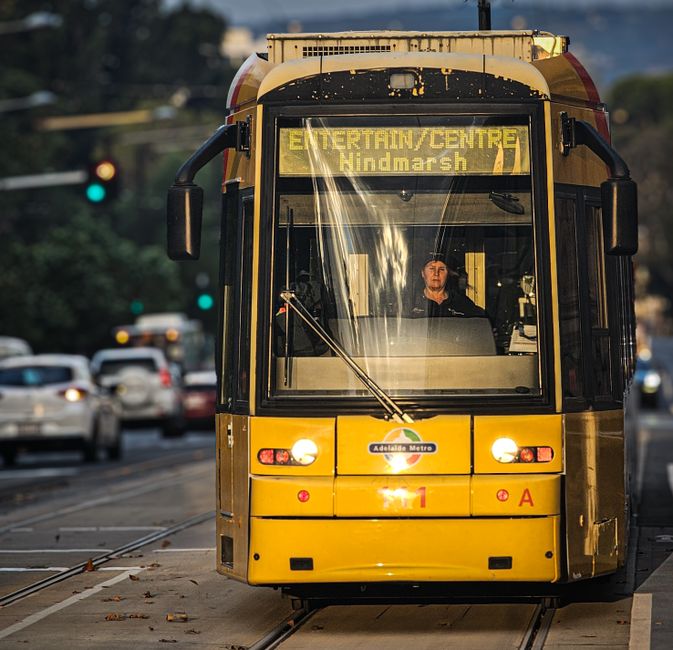
The immediate focus centres on three interconnected challenges. First is the fate of the proposed North-South transport corridor expansion. City planners have signalled that a decision on whether to prioritise rapid transit infrastructure along King William Road and through the Park Lands is imminent. The choice between expanding car-friendly routes versus investing in tram and bus rapid transit could shape commuter behaviour for decades. Early modelling suggests a transit-first approach could reduce metropolitan carbon emissions by up to 18 per cent by 2035, but requires upfront investment exceeding $2.3 billion.
The second decision involves Adelaide's waste management future. Current contracts with processors managing the city's 1.2 million tonnes of annual waste expire in 2027. Councils must now decide whether to mandate organic waste separation across all suburbs—a system successfully trialled in parts of Unley and Burnside—or maintain status quo landfill strategies. Industry analysis shows separated organics processing costs roughly $85 per tonne compared to $120 for landfill, yet requires significant infrastructure investment.
Third, and perhaps most complex, is the question of urban water security. The recent drought cycle exposed vulnerabilities in Adelaide's reliance on the Murray-Darling system and desalination at Port Stanveys. Authorities must now determine funding priorities: expanding recycled water networks to suburbs like Flagstaff Hill and Reynella, investing in large-scale stormwater capture across the CBD, or accelerating the transition to household-level rainwater independence through regulation and incentives.
Community organisations including the Adelaide Environment Centre and Sustainable Adelaide have begun intensive advocacy around these decisions, recognising that each choice generates trade-offs. Transit expansion requires Park Lands easements. Organic waste separation demands household behaviour change and council funding. Water security requires either regulatory intervention or market-based incentives that some residents resist.
Local government bodies across Adelaide's councils meet throughout July and August to draft submissions to state authorities. These meetings represent the last opportunity for residents to shape outcomes before technical committees and ministers determine the path forward. The decisions made in coming weeks will either accelerate Adelaide's transition toward a genuinely sustainable city or lock in carbon-intensive patterns for another generation.
This article was compiled by AI from the sources linked above and screened before publishing. See our editorial standards.
Spread the word
About this article
Published by The Daily Adelaide
Your take
Daily brief
Free, in your inbox before 7am. Weekdays.
More from Adelaide