Adelaide Housing Strategy: Planning Reforms Explained
Adelaide's dual occupancy reforms in suburbs like Unley and Norwood aim to solve affordability. Compare the city's approach to Vancouver and Portland's medium-density strategies.
Adelaide's dual occupancy reforms in suburbs like Unley and Norwood aim to solve affordability. Compare the city's approach to Vancouver and Portland's medium-density strategies.
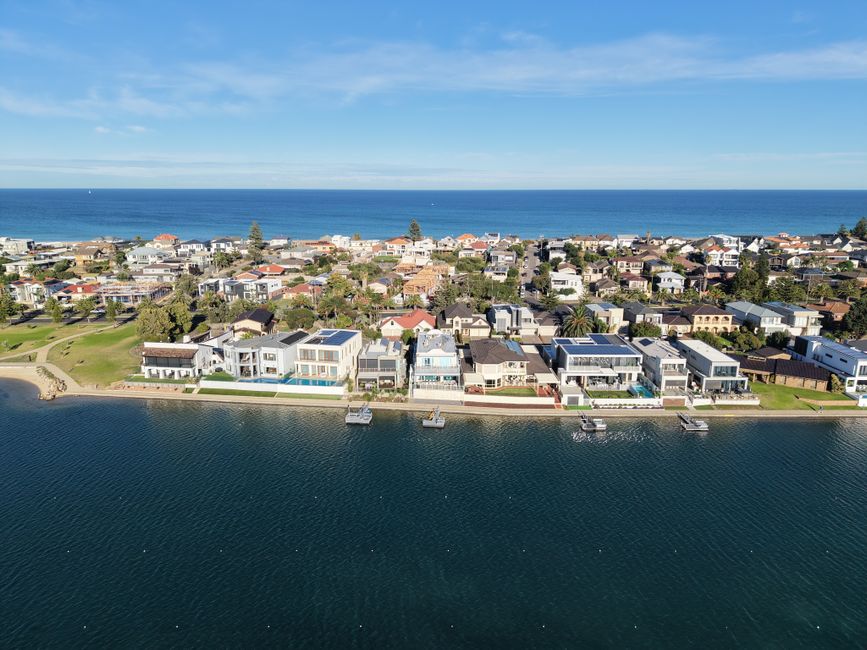
Adelaide's property market has undergone a dramatic transformation in recent years, with median house prices climbing from $420,000 in 2020 to over $580,000 today. Yet the city's approach to housing policy remains fundamentally different from its larger Australian counterparts, revealing both innovative thinking and stubborn blind spots when compared with how global cities are tackling the same crisis.
The South Australian Government's planning reforms, particularly the push to allow dual occupancy in established suburbs like Unley, Norwood, and Prospect, mirror strategies adopted by Vancouver and Portland—cities that have aggressively rezoned inner suburbs for medium-density housing. Early data suggests Adelaide's approach is working: construction of townhouses and smaller apartment blocks in these areas has increased 34% since 2023. Yet unlike Vancouver, which implemented aggressive foreign buyer taxes and inclusionary zoning requirements, Adelaide has largely resisted developer levies that might fund affordable housing.
Compare this to Berlin or Vienna, where social housing constitutes 20-25% of new builds through mandatory affordable quotas. Adelaide's voluntary developer agreements have produced only 2-3% affordable dwellings in major new precincts like Bowden and Tonsley. That gap matters when median rental prices in the northern suburbs now exceed $500 per week.
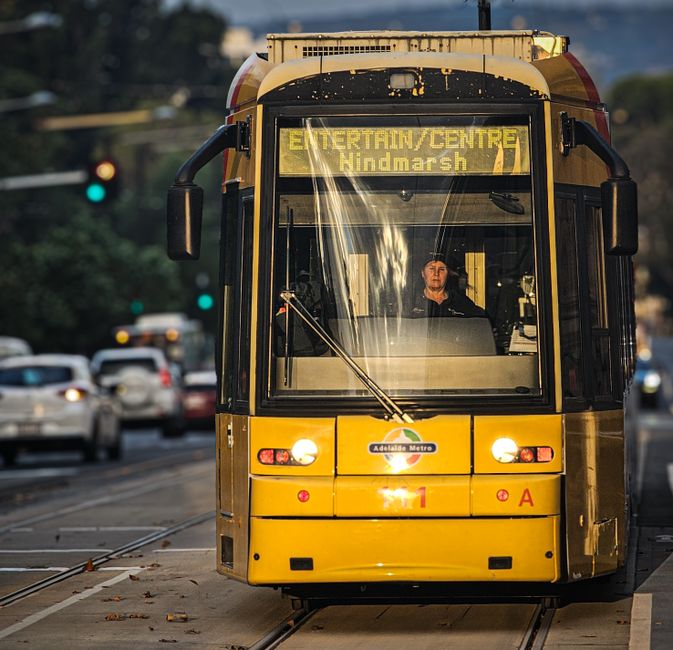
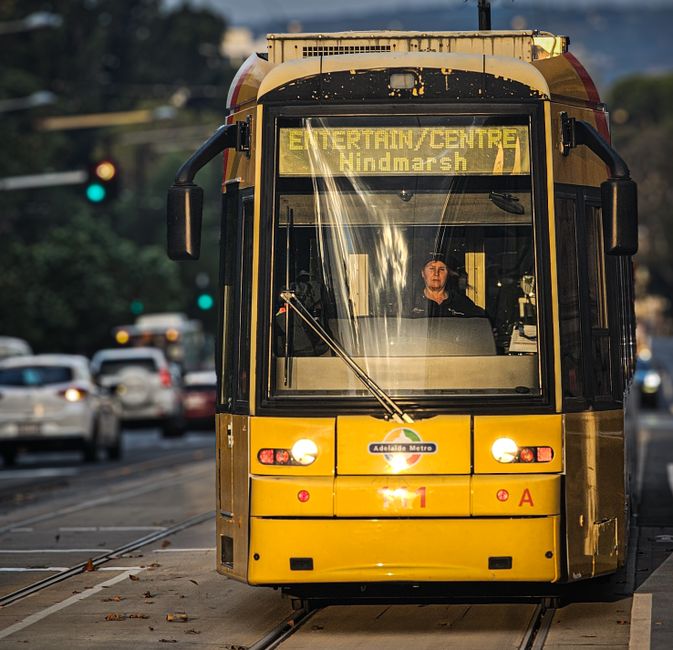
The city's investment in transit-oriented development—particularly along the O-Bahn corridor towards Tea Tree Gully and the planned expansion of tram infrastructure on Henley Beach Road—shows ambition. Singapore and Copenhagen have proven that housing density works when paired with reliable public transport. Adelaide's efforts are genuine, but underfunded compared to peer cities. Copenhagen invests roughly twice as much per capita in urban rail as Adelaide.
Where Adelaide genuinely diverges is in community engagement. The extensive consultation processes around the North-South Corridor and the Adelaide Airport precinct redevelopment contrast sharply with the top-down approaches that sparked fierce backlash in Melbourne's inner suburbs. This deliberative model, borrowed partly from European planning traditions, has built surprising consensus for change in traditionally conservative neighbourhoods.
Yet Adelaide remains reactive rather than strategic on one critical front: climate and water resilience in housing design. Melbourne's new planning requirements mandate water-sensitive urban design; Adelaide's are merely advisory. As global cities from Phoenix to Perth grapple with climate-driven housing pressures, this represents a missed opportunity.
The honest assessment: Adelaide is neither leading nor lagging dramatically. It's charting a middle path—bolder than Brisbane on density, more consultative than Sydney, but less ambitious on affordability and sustainability than truly world-class examples. Whether that proves wise depends on whether current reforms can accelerate before another generation of young Adelaideans prices themselves out of home ownership.
This article was compiled by AI from the sources linked above and screened before publishing. See our editorial standards.
Spread the word
About this article
Published by The Daily Adelaide
Your take
Daily brief
Free, in your inbox before 7am. Weekdays.
More from Adelaide