Adelaide's Future in Flux: What City Leaders Are Really Saying About Housing, Transport and Rate Rises
As council budgets tighten and development pressures mount, key officials outline their vision for Adelaide's next chapter.
As council budgets tighten and development pressures mount, key officials outline their vision for Adelaide's next chapter.
Adelaide's political establishment is grappling with a familiar trio of challenges as the 2026-27 financial year approaches: surging housing demand, ageing transport infrastructure, and the perennial pressure to keep rate rises palatable for struggling residents.
City planners have openly acknowledged that the current development approval process along major corridors—including the North Terrace precinct and emerging suburbs like Angle Vale—remains a bottleneck. Council officials have indicated that streamlining assessment timelines could unlock thousands of new dwellings within 18 months, though neighbourhood groups continue to raise concerns about overdevelopment in established areas like Norwood and Unley.
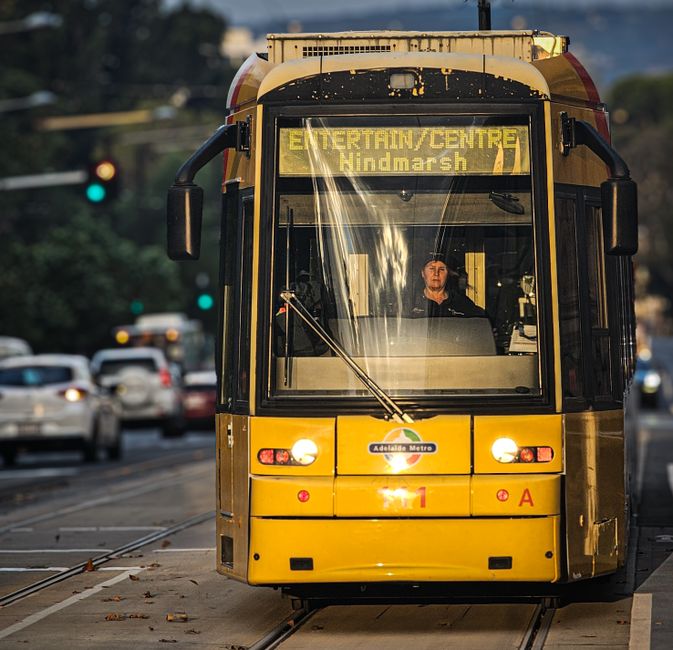
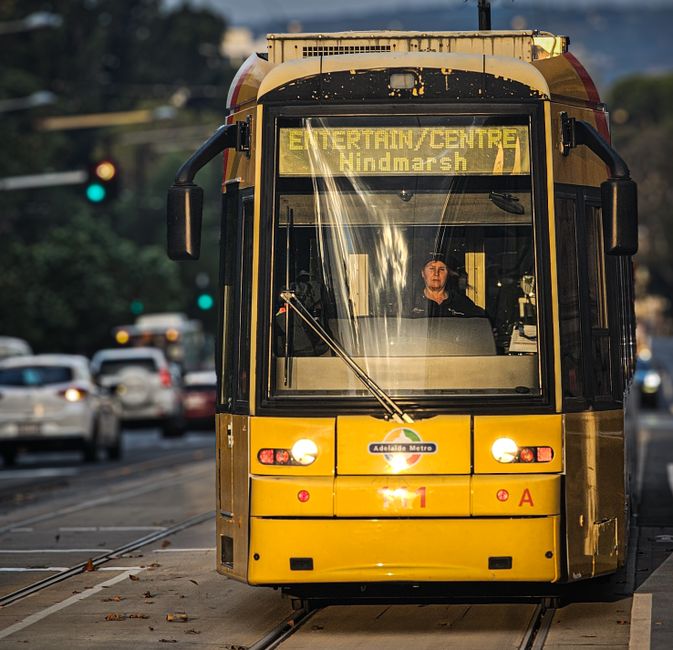
Transport remains equally contentious. Peak-hour congestion on South Road and around the Adelaide Oval precinct has prompted calls for renewed investment in public transit. Local government representatives have suggested that the state government's current funding allocation—while welcome—falls short of what's needed to modernise the O-Bahn and extend tram services westward. The Rundle Mall precinct, a focal point for retail and foot traffic, has become a barometer for downtown vitality; officials stress that improved connectivity is essential to supporting the 40,000 workers and shoppers who pass through daily.
Rate rises remain politically fraught. Several councils have flagged increases of 4-5 per cent for the coming year, citing rising waste management costs and essential maintenance on ageing stormwater systems. Treasurer and budget advocates have publicly defended these figures while acknowledging the squeeze on fixed-income households and small businesses already contending with higher energy and input costs.
Perhaps most significantly, officials are signalling a shift in strategic priorities toward climate resilience and urban cooling. The Adelaide Heat Resilience Plan, unveiled earlier this year, has gained traction among environmental groups and city planners who view tree canopy expansion and blue-green infrastructure as non-negotiable investments. Proponents argue that cooling the urban environment—particularly in heat-prone areas around Broadview and Parafield Gardens—will reduce health risks and improve liveability.
The consensus among council leadership, urban designers and community advocates is pragmatic: Adelaide cannot afford to stand still. Development must accelerate, infrastructure must modernise, and rates must rise—but only if coupled with visible improvements to services and long-term planning that prioritises livability over short-term gains.
How successfully these officials navigate these competing demands will define Adelaide's trajectory over the next decade.
This article was compiled by AI from the sources linked above and screened before publishing. See our editorial standards.
Spread the word
About this article
Published by The Daily Adelaide
Your take
Daily brief
Free, in your inbox before 7am. Weekdays.
More from Adelaide