As median property prices near $700,000, city planners and industry leaders clash over whether zoning reform or developer incentives hold the key to unlocking affordable housing.
Adelaide's housing shortage has become the dominant conversation in planning circles, with senior officials and industry experts offering sharply different prescriptions for a market that has seen median prices surge nearly 40 per cent in five years.
The South Australian Government's Planning and Design Code, which underwent significant reform in 2021, remains contentious territory. While Department for Infrastructure and Transport officials argue the streamlined approval process has accelerated development—particularly in growth corridors like the Barossa region and Adelaide Hills—critics contend it has not translated into meaningful housing supply for ordinary residents.
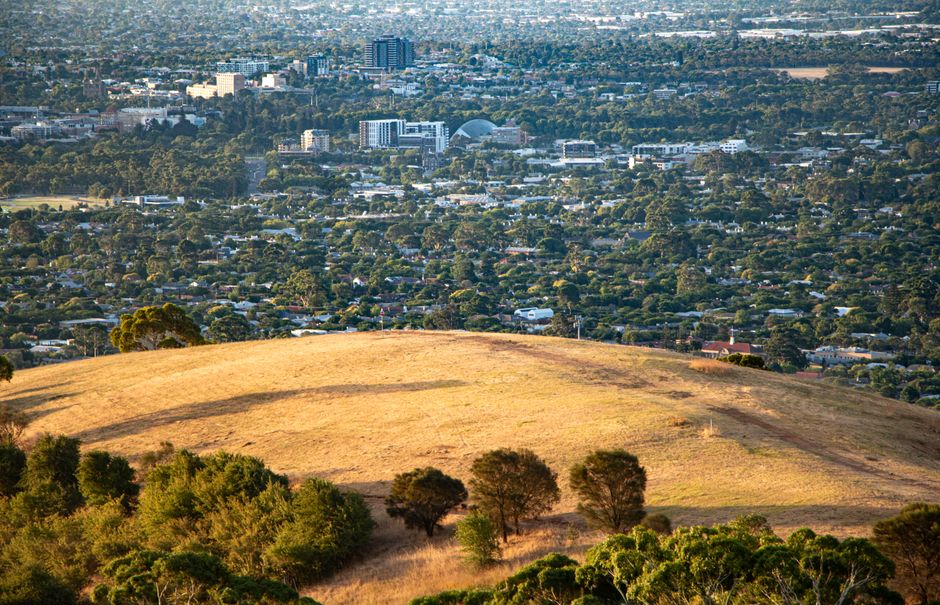
"The numbers don't lie," said one senior Adelaide City Council planning officer during recent public consultations at the Town Hall. Officials there have flagged particular concern about inner-city neighbourhoods including Hindley Street, Rundle Mall precincts and North Adelaide, where character protection overlays have historically constrained medium-density projects despite strong demand.
The University of Adelaide's Centre for Urban Research has released analysis suggesting that Adelaide requires approximately 18,500 new dwellings by 2036 to meet population growth forecasts—a target that current approvals track to miss by roughly 4,000 units. Centre researchers emphasised that zoning alone cannot solve the problem; land cost, construction inflation and financing barriers remain critical obstacles.
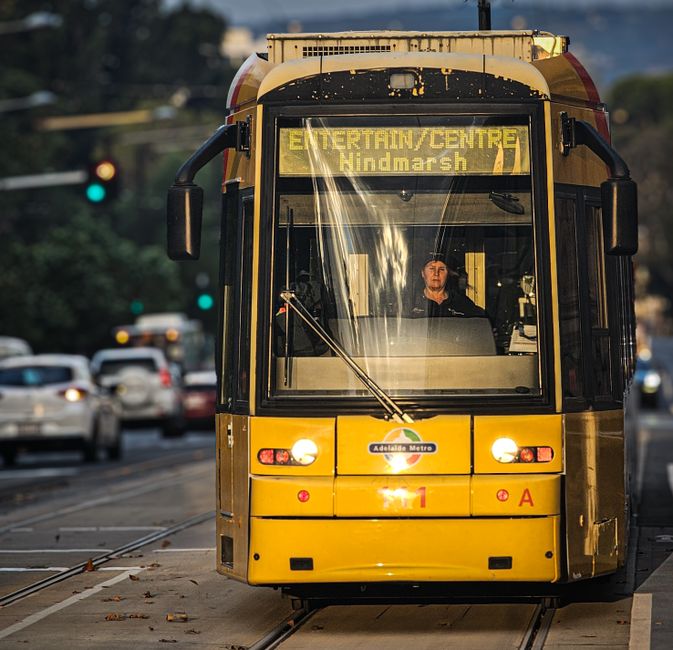
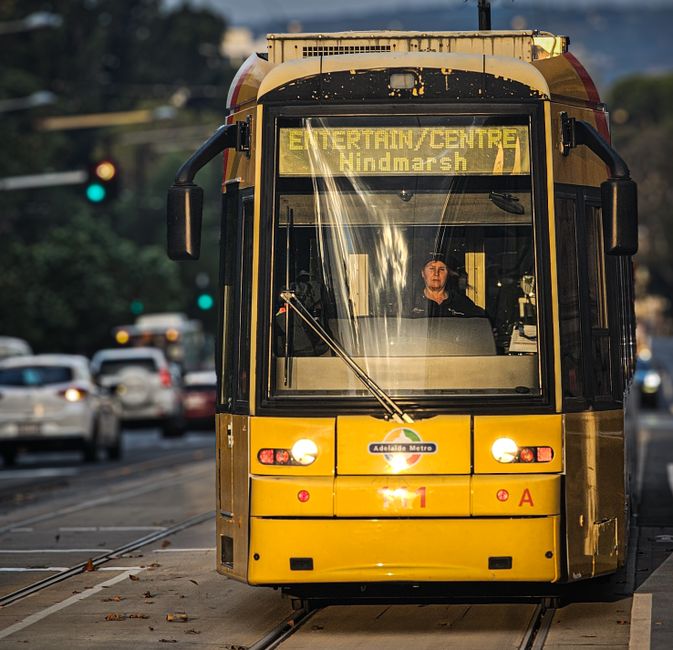
Developer associations have pushed back against what they characterise as overly restrictive heritage listings and parking requirements in suburbs like Parkside and Unley. Industry representatives argue that relaxing such conditions—particularly around established tramline corridors—could unlock infill development without sprawl. However, heritage advocates maintain that Adelaide's architectural identity, particularly Victorian terraces along suburbs such as Norwood and Glen Osmond, cannot be sacrificed for expedience.
South Australian Housing Trust and community housing sector officials have called for government intervention through increased land release and subsidised construction models, pointing to interstate examples. A spokesperson for Shelter SA, the state's peak homelessness advocacy body, stressed during recent parliamentary submissions that policy adjustments must prioritise affordability thresholds, not merely supply.
The debate intensifies as Adelaide's median rent climbs toward $2,400 monthly for three-bedroom homes, pricing out younger first-time buyers increasingly reliant on parental assistance or migration to outer suburbs like Angle Vale and Two Wells.
The state government has signalled a comprehensive housing strategy announcement before year's end, signalling the political weight now attached to planning reform.
This article was compiled by AI from the sources linked above and screened before publishing. See our editorial standards.