Adelaide Sustainability Initiatives: Save Money & Build Communities
Discover how Adelaide's green waste collection and water efficiency schemes are cutting household costs while strengthening neighbourhoods from Glenelg to Magill.
Discover how Adelaide's green waste collection and water efficiency schemes are cutting household costs while strengthening neighbourhoods from Glenelg to Magill.
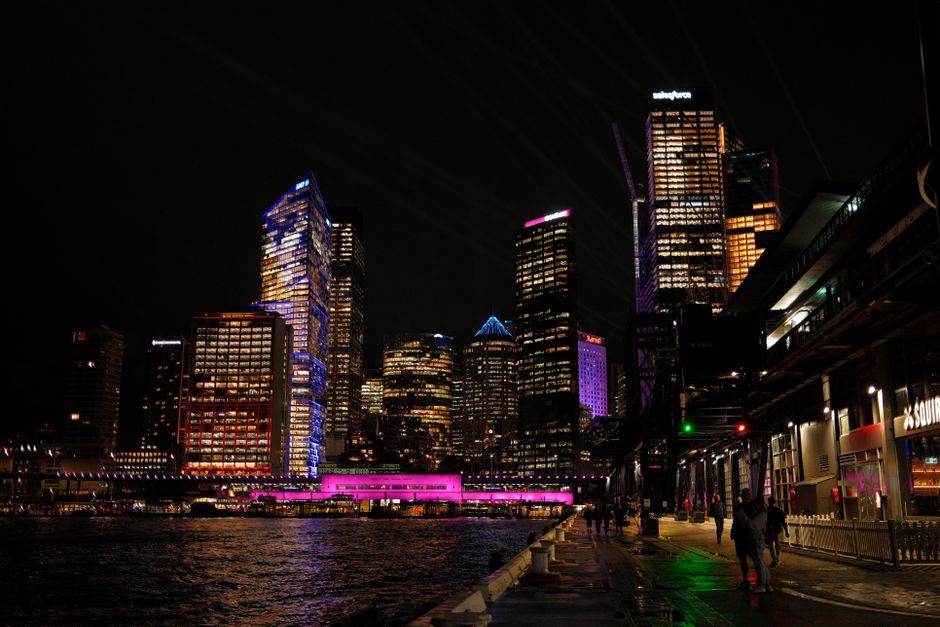
Adelaide's sustainability push is no longer abstract policy—it's arriving on doorsteps across the city with real financial and social benefits that residents are already experiencing.
The City Council's expanded green waste collection program, now serving suburbs from Glenelg to Magill, has diverted over 12,000 tonnes of organic material from landfills annually. For households, this translates to lower council rates through reduced waste management costs. More significantly, the composting initiative is fuelling a grassroots network of community gardens across the inner suburbs, with participation in Parklands and Thebarton gardens doubling since 2024.
Water efficiency schemes are delivering even more immediate savings. Residents retrofitting homes with council-rebated rainwater tanks and grey-water systems report cutting household water bills by 25-35 percent—savings between $300-$500 annually for an average family. In water-stressed areas like parts of Marion and Flagstaff Hill, where summer restrictions have historically lasted five months, these systems provide genuine security and independence.
The Port Adelaide precinct's $87 million riverfront regeneration project exemplifies how environmental work strengthens community fabric. The initiative has created 340 local jobs, restored 8 hectares of wetland habitat, and opened new public spaces that have increased foot traffic to local businesses by 18 percent. Small traders along Port Road report measurable improvement in custom since the project's commencement.
But sustainability's impact extends beyond economics. Mental health services across Adelaide report increased referrals to outdoor activity programs as residents discover tangible connections between green spaces and wellbeing. The Adelaide Botanic Gardens' expanded urban forest initiative—planting 5,000 trees across footpaths and parks—is reducing local temperatures by up to 2 degrees in summer, providing relief particularly important for vulnerable residents in concrete-heavy neighbourhoods.
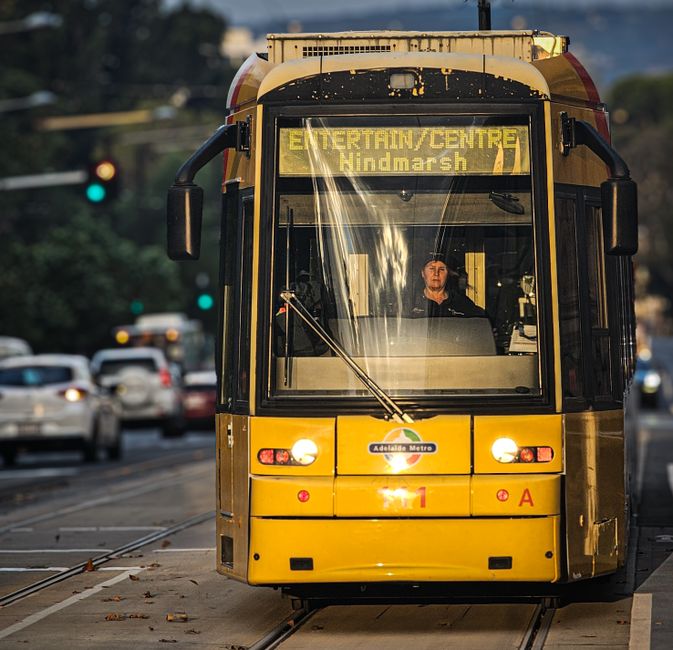
Public transport integration remains critical. The recent expansion of electric bus routes serving Rundle Street, Hindley Street, and the Hills suburbs has reduced commute costs for regular users by up to 40 percent compared to private vehicle operation, while cutting personal carbon footprints substantially.
Not everything is seamless. Implementation timelines have slipped in several suburbs, and some residents remain unaware of available rebates and programs. Community education campaigns, however, are accelerating. Information sessions at venues including the Mitcham Community Hub and Port Adelaide Library are driving uptake.
For Adelaide residents, the emerging pattern is clear: sustainability isn't about sacrifice. It's about smarter living—lower bills, healthier neighbourhoods, stronger local economies, and communities that work together toward shared benefit.
This article was compiled by AI from the sources linked above and screened before publishing. See our editorial standards.
Spread the word
About this article
Published by The Daily Adelaide
Your take
Daily brief
Free, in your inbox before 7am. Weekdays.
More from Adelaide