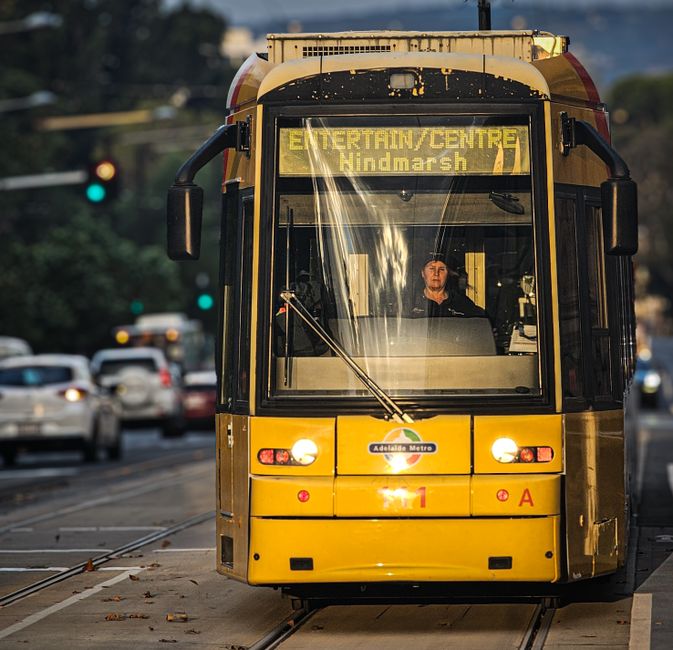
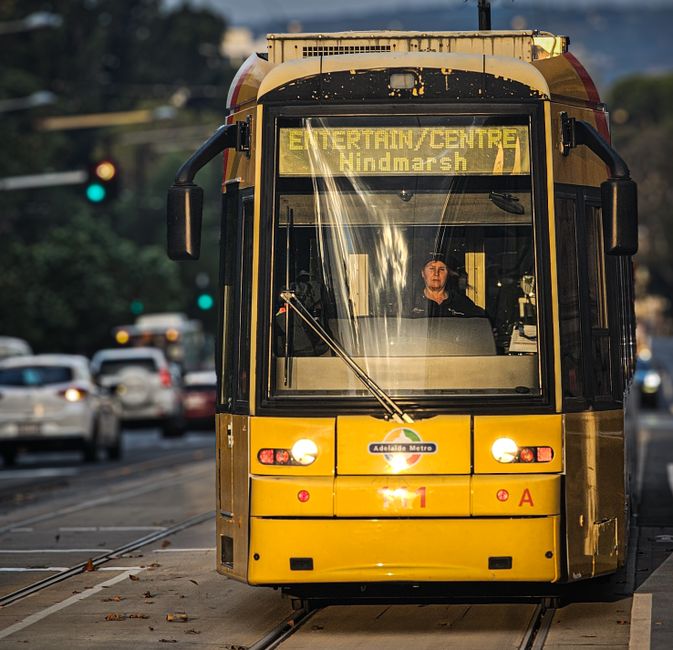
While peer cities struggle with sprawl and affordability, South Australia's capital is leveraging aggressive zoning reforms to densify inner suburbs—but experts warn implementation remains uneven.
Adelaide's approach to housing affordability has quietly become a national benchmark, positioning the city ahead of Melbourne and Brisbane in tackling one of Australia's most intractable urban challenges. With median house prices climbing to $685,000 this year—still markedly lower than comparable capitals—the City of Adelaide and state government have implemented a coordinated infill strategy that contrasts sharply with the ad-hoc policies of larger rivals.
The council's approval of medium-density housing in established precincts like Norwood, Unley, and Prospect represents a deliberate shift. By allowing dual occupancies and four-storey apartment blocks without mandatory parking minimums along King William Road and South Terrace, planners argue Adelaide is avoiding the sprawl trap that's consumed Melbourne's outer reaches and Brisbane's western corridor.
"We're seeing what works in Copenhagen and Vancouver—allowing neighbourhoods to evolve organically rather than fighting density," says the council's recent strategic planning documents. Comparable cities have resisted similar reforms. Melbourne's planning apparatus remains fragmented across 31 councils, while Brisbane's lord-mayor-system has centralised decision-making but resulted in slower infill approvals.
Adelaide's experiment isn't without friction. Local residents in Burnside have opposed mid-rise proposals near the Torrens River Linear Park, echoing tensions in Toronto and Sydney where gentrification concerns have stalled similar projects. Yet the city has maintained political will, approving roughly 2,400 new dwellings in inner suburbs last financial year—a 35 per cent increase on five years prior.
Affordability, however, remains elusive. While construction costs have moderated slightly, first-home buyers report needing deposits of $137,000 for median properties. This mirrors Melbourne's struggle despite its own densification efforts, suggesting supply-side reforms alone cannot solve demand-driven markets.
The council faces a critical 12-month window. New planning codes take effect in July, streamlining approvals for qualifying developments on Marion Street and Wauwi (Hindley Street). Success here will determine whether Adelaide can genuinely differentiate itself from stalled initiatives in Perth and Canberra—or become another cautionary tale of bold policy undermined by implementation delays.
Global city-planning experts watching Adelaide's experiment closely. If inner suburbs absorb projected population growth without sacrificing liveability, the South Australian capital could provide a replicable model for mid-sized cities worldwide.
This article was compiled by AI from the sources linked above and screened before publishing. See our editorial standards.