From post-industrial decline to climate innovation hub, the city's environmental initiatives represent decades of grassroots pressure, policy shifts, and hard-won community victories.
Adelaide's current status as one of Australia's most ambitious sustainability cities didn't emerge overnight. The journey reveals a city that spent much of the 1980s and 1990s grappling with industrial decline, urban sprawl, and mounting environmental concerns before embracing the green transformation that now defines its identity.
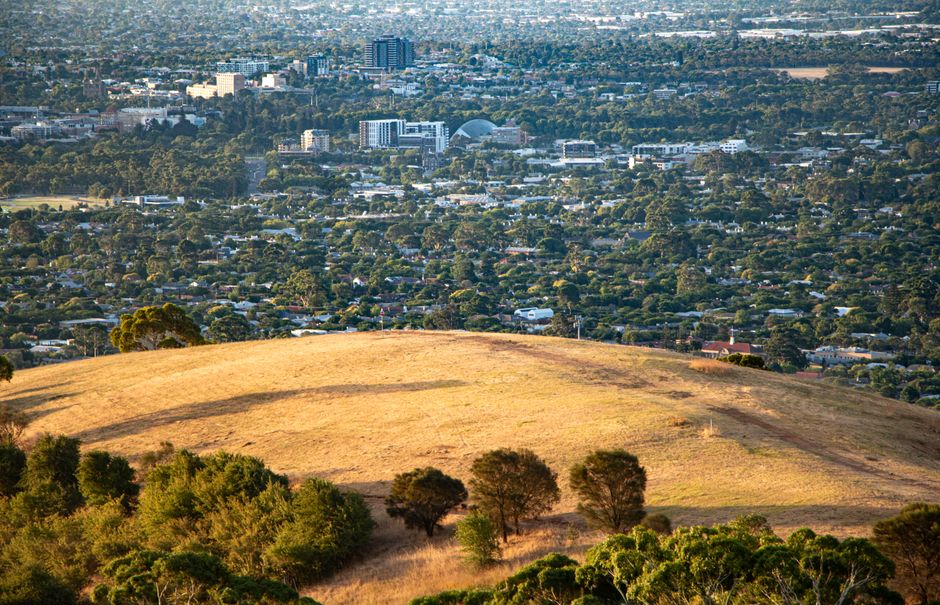
The turning point came gradually. Through the early 2000s, residents watched as sprawl consumed Adelaide Hills farmland and transport emissions climbed steadily. Community groups mobilised around Waite Campus and the Adelaide Botanic Gardens, raising alarm about water security and native habitat loss. By 2010, the city consumed approximately 180 litres of water per capita daily—well above sustainable benchmarks. That pressure forced meaningful conversations at policy level.
The establishment of the Adelaide Sustainability Initiative in 2012 marked a watershed moment. It wasn't a silver bullet solution, but rather a framework that legitimised what local activists had been arguing for years: that environmental action was economically viable. The 2015 State Government commitment to 50 per cent renewable energy by 2025 reflected this shift in political calculation. South Australia has since exceeded that target, reaching 64 per cent renewable generation by 2024.
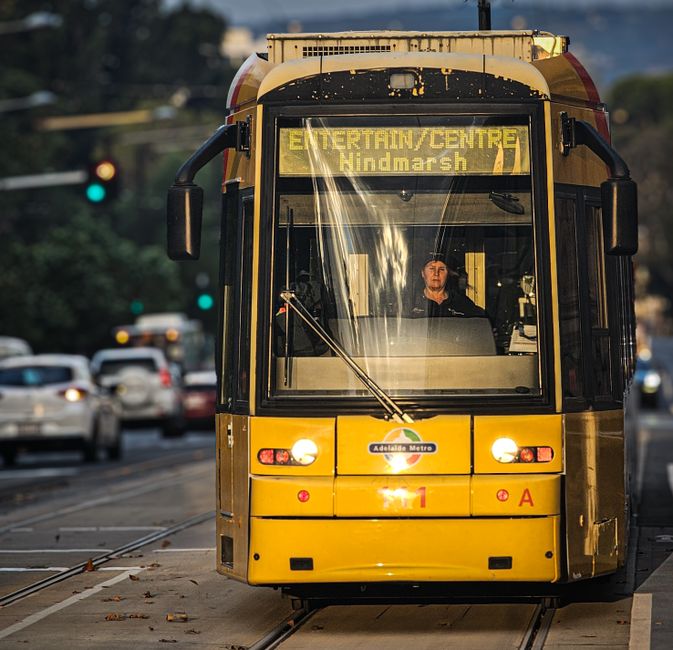
What followed was incremental but significant. The conversion of the former Holden manufacturing precinct in Elizabeth into mixed-use development signalled that post-industrial sites could be reimagined. The Torrens Parade Ground precinct regeneration demonstrated how transport-oriented development could reduce car dependency. Inner-city suburbs like Hindmarsh and Thebarton saw heritage buildings retrofitted for energy efficiency rather than demolished.
Water management represents another crucial thread. Decades of overallocation from the Murray-Darling Basin forced Adelaide Water into aggressive conservation measures. Stormwater harvesting systems now dot suburbs from Unley to Croydon Park. The Adelaide Desalination Plant, contentious when completed in 2012 at $1.8 billion, transitioned from emergency backup to core supply infrastructure as drought became chronic.
Today's electric bus rollout, the planned closure of coal-fired power generation, and widespread green building certifications didn't materialise through government benevolence alone. They represent the culmination of 25 years of community organising, failed pilots, scaled successes, and shifting voter expectations.
Understanding this history matters because sustainability initiatives rarely succeed through top-down mandate. Adelaide's achievements reflect residents who refused to accept that urban growth and environmental stewardship were incompatible—and the gradual realisation by policymakers that they were right.
This article was compiled by AI from the sources linked above and screened before publishing. See our editorial standards.