From Torrens Parade Ground's new tree planting initiative to North Terrace's renewable energy upgrades, Adelaide advances its climate commitments with tangible action.
Adelaide's environmental movement accelerated this week with several significant developments reshaping how the city approaches sustainability, signalling renewed momentum in the fight against climate change.
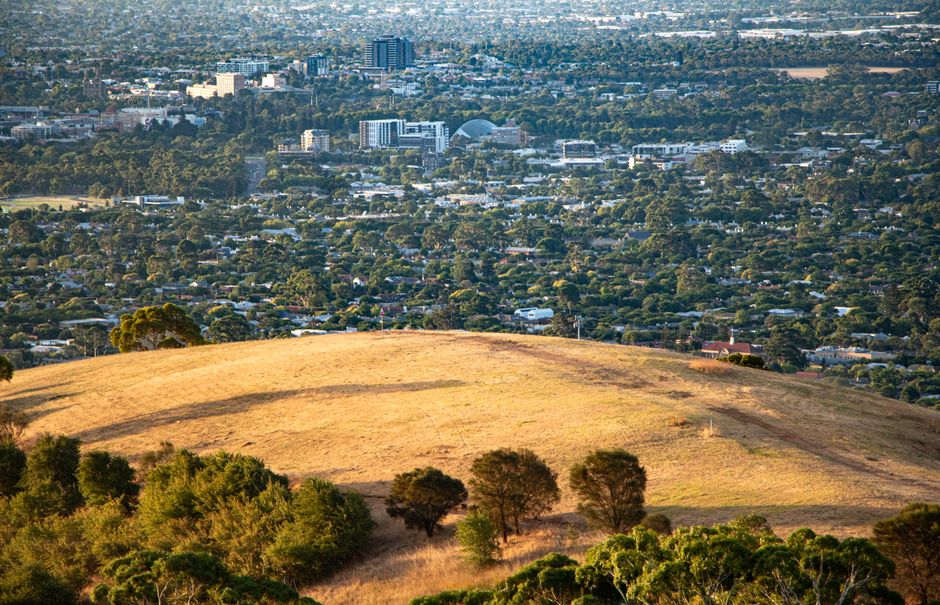
The most visible shift came Monday when the Adelaide City Council announced a major tree-planting expansion across Torrens Parade Ground, adding 200 native species over the next 18 months. The initiative, part of the broader Canopy 2040 strategy, aims to increase tree coverage across the CBD by 20 per cent within four years. Local residents and environmental groups have long advocated for increased green infrastructure in high-traffic areas, with summer temperatures in Adelaide's core frequently exceeding 35 degrees Celsius.
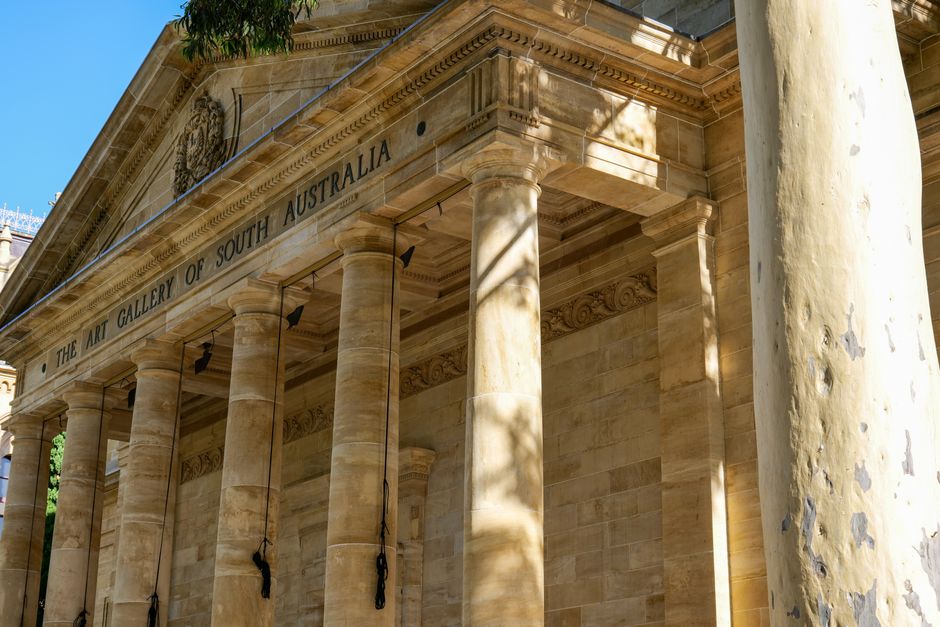
Meanwhile, the University of Adelaide revealed on Thursday that its North Terrace campus has now achieved 45 per cent of its electricity consumption from on-site renewable sources—solar panels installed across the last three years—surpassing its 2025 target of 40 per cent. The university's renewable energy transition has positioned it as a leader among South Australian institutions, with further wind power integration planned for 2027.
In the Rundle Mall precinct, local businesses reported progress on a pilot waste reduction scheme launched last month. Participating retailers have collectively diverted over 12 tonnes of recyclable material from landfills in just four weeks, demonstrating what advocates say could become a model for other major shopping districts nationally.
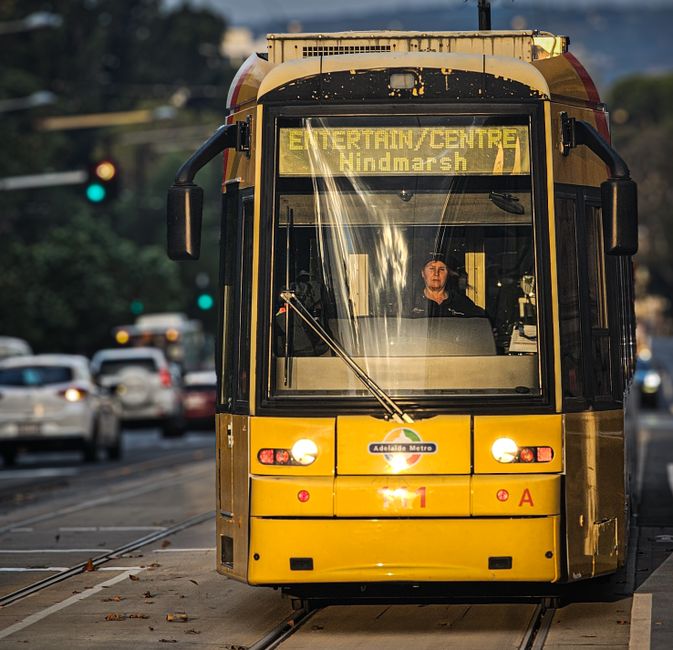
The South Australian government also confirmed this week that the upcoming Southern Suburbs Active Transport Plan will prioritise cycle lanes along Morphett Road and South Road, connecting residential areas to employment hubs more sustainably. The $8.7 million project responds to growing demand for car-free commuting options, particularly among younger workers.
Not all developments pleased local groups, however. The proposed expansion of Port Adelaide's industrial zone drew criticism from environmental advocates concerned about increased emissions in an already congested area. The project, which would support manufacturing growth, remains under review pending further environmental impact assessments.
Adelaide's mounting focus on sustainability reflects broader recognition that climate action requires integrated, multifaceted approaches. Whether through urban greening, renewable energy adoption, or transport infrastructure reform, this week's announcements suggest the city is moving beyond rhetoric toward material change. As global challenges intensify, Adelaide's residents increasingly expect their city to match ambition with action—a message this week's developments appear to have received loud and clear.
This article was compiled by AI from the sources linked above and screened before publishing. See our editorial standards.