As median house prices near $800,000 and pressure mounts on the city's outer suburbs, three critical decisions will reshape how Adelaide grows over the next five years.
Adelaide stands at a pivotal moment in its urban evolution. With median house prices climbing toward $800,000 and first-home buyers increasingly priced out of suburbs that were once considered entry-level, the State Government and local councils face a series of make-or-break decisions that will determine whether the city becomes more liveable—or more fractured.
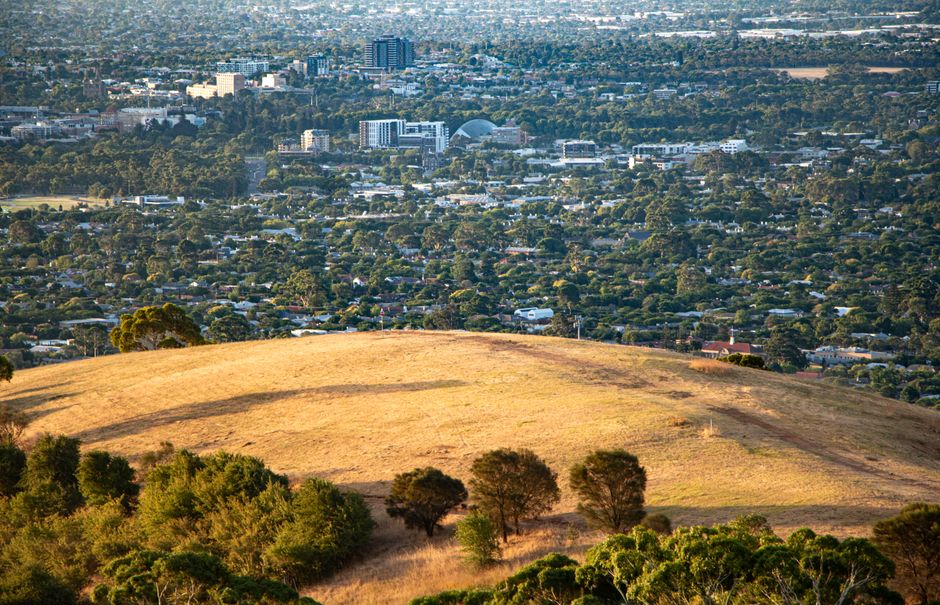
The immediate battleground is density. The push to unlock infill development across established suburbs—Unley, Wayville, Mitcham, and Norwood among them—has triggered fierce resistance from residents protective of established character. Yet planners argue that without allowing more medium-density housing along the Magill Road corridor and around King William Road in the inner east, Adelaide will continue exporting its young professionals to Melbourne and Sydney.
The South Australian Housing Commission's draft framework, expected to be finalised by September, will signal how far the Government is willing to push on this front. Will it mandate a significant percentage of new dwellings be affordable? Will it restrict development in bushfire-prone areas while opening up underutilised commercial zones? These questions will ripple through councils' planning departments for years.
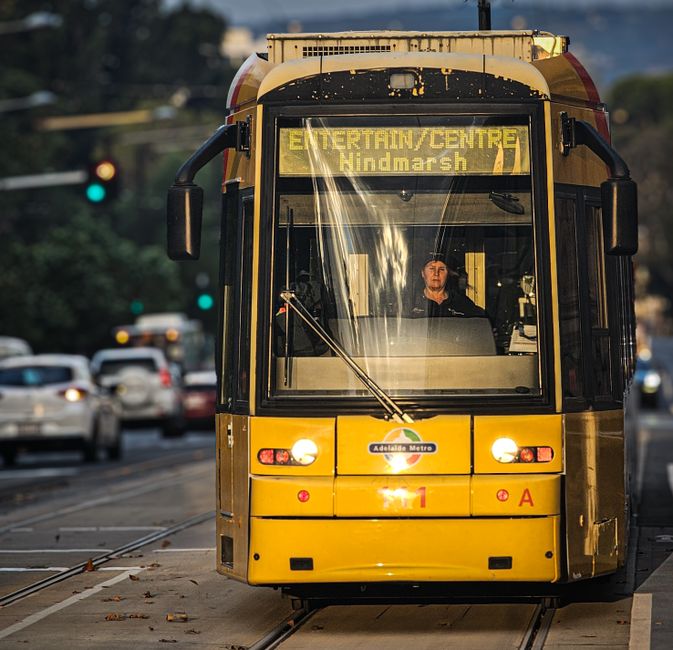
Equally critical is the outer suburbs question. Parallels Road, Golden Grove, and the sprawl corridor toward Barossa have driven Adelaide's growth, but infrastructure hasn't kept pace. Traffic congestion on South Road and bottlenecks at the Torrens crossing have become daily misery for commuters. Without a credible commitment to public transport and employment decentralisation—moving jobs beyond the CBD and North Terrace precinct—further sprawl risks creating new poverty traps at the city's edges.
A third decision looms around heritage and character. Planners want to reform the Byzantine system of heritage listings that can freeze suburbs in aspic, yet preservation advocates argue that blanket deregulation will erase what makes Adelaide distinctive. The resolution of this tension will either protect neighbourhood identity or enable developers to reshape entire strips.
The market isn't waiting for bureaucratic consensus. Private investment is already flowing toward Bowden and emerging projects along Park Terrace. Rental vacancy rates remain stubbornly low, and recent data suggests construction is failing to keep pace with population growth driven partly by interstate migration and international arrivals.
Between September and December, the Government must publish revised planning codes and the Housing Commission framework. Councils will respond. Industry will lobby. Communities will object. These months will effectively determine whether Adelaide becomes a genuinely mixed-income, compact city—or a sprawling metropolis of locked-out young people and stranded commuters.
The clock is ticking.
This article was compiled by AI from the sources linked above and screened before publishing. See our editorial standards.