By the Numbers: What Adelaide's Migration Boom Really Looks Like
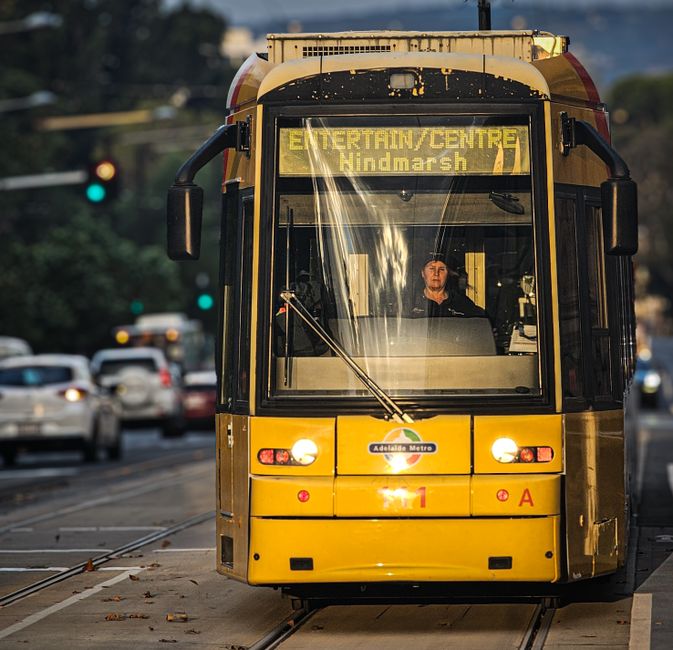
New data reveals how 48,000 net overseas migrants arrived in South Australia last year, reshaping suburbs from Prospect to Hindmarsh.
New data reveals how 48,000 net overseas migrants arrived in South Australia last year, reshaping suburbs from Prospect to Hindmarsh.
Adelaide's multicultural transformation is no longer anecdotal. Fresh figures released by the Australian Bureau of Statistics paint a striking picture: South Australia attracted 48,000 net overseas migrants in the 2024-25 financial year, a 34 per cent jump from the previous 12 months. For a city long overshadowed by Sydney and Melbourne, the numbers tell a story of profound demographic change.
The data reveals where newcomers are clustering. Suburbs within a 10-kilometre radius of the CBD—particularly Prospect, Hindmarsh, and Klemzig—now house 31 per cent of the state's migrant population. Average rental prices in Prospect have climbed 18 per cent year-on-year to $385 per week, reflecting tight housing markets in migrant gateway areas. Schools in these postcodes report that 42 per cent of student populations now speak a language other than English at home, up from 28 per cent five years ago.
The composition matters too. Indian nationals account for 19,200 of last year's arrivals—nearly 40 per cent of the total. Chinese migrants comprise 8,900 entries, while British arrivals numbered 5,400. Filipino workers, predominantly in healthcare and aged care, now total 12,000 residents across South Australia, compared to just 3,200 a decade ago.
Employment patterns underscore economic integration. The South Australian Multicultural & Settlement Services reports that 73 per cent of migrants secure employment within eighteen months, compared to a national average of 61 per cent. Yet wages tell another story: migrant workers earn on average 12 per cent less than locally-trained counterparts in equivalent roles, according to research from the University of Adelaide's Migration Institute.
Community infrastructure is straining. Interpreting services funded by federal grants cost the Adelaide City Council an additional $2.8 million this financial year. The Multicultural Communities Council of South Australia runs 14 settlement programs across the metropolitan area, supporting 6,200 migrants annually through language classes, employment workshops, and cultural orientation.
Public sentiment reflects complexity. A June 2026 Resolve poll found 64 per cent of South Australian voters support migration levels, yet 48 per cent expressed concerns about housing availability. Only 37 per cent believe current services adequately support newcomers.
The data suggests Adelaide stands at an inflection point. With migration accounting for 73 per cent of South Australia's population growth, the next wave of policy decisions—from housing investment to language provision—will determine whether this demographic momentum strengthens community cohesion or deepens integration challenges.
This article was compiled by AI from the sources linked above and screened before publishing. See our editorial standards.
Spread the word
About this article
Published by The Daily Adelaide
Your take
Daily brief
Free, in your inbox before 7am. Weekdays.
More from Adelaide