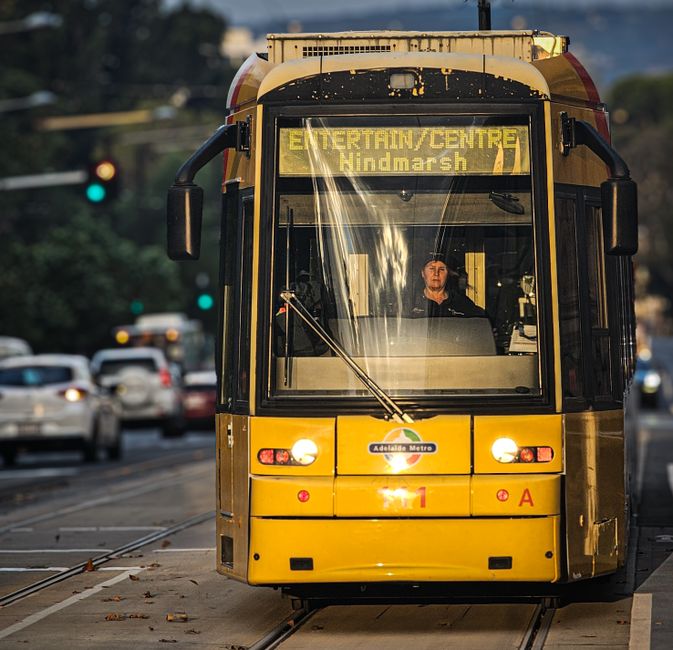
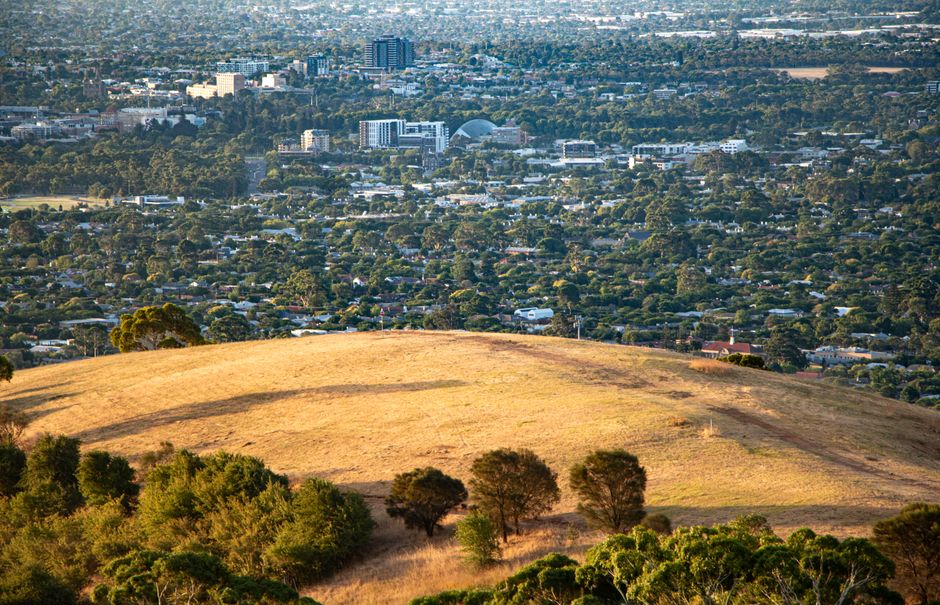
By the Numbers: What Adelaide's Housing Data Reveals About Our Planning Crisis
New figures expose the gap between development approvals and actual housing supply across Adelaide's suburbs, raising questions about policy effectiveness.
New figures expose the gap between development approvals and actual housing supply across Adelaide's suburbs, raising questions about policy effectiveness.
Adelaide's housing shortage isn't just anecdotal—the numbers paint a stark picture of a city struggling to match policy ambition with on-ground delivery.
Latest data from the South Australian Department for Infrastructure and Transport reveals that while planning approvals across metropolitan Adelaide increased 34 per cent between 2023 and 2025, actual housing completions grew by just 12 per cent. That gap matters. In suburbs like Prospect and Unley, developers received approval for 847 new dwellings over two years, yet only 289 were completed by June this year.
The median house price in Adelaide now sits at $685,000—up 28 per cent since 2022—while unit prices in inner suburbs like Thebarton and Hindmarsh average $445,000, representing a 19 per cent spike. For renters, median weekly rent across the city has climbed to $485, with inner-west properties near the Torrens riverfront commanding $540 or more.
The City Council's Medium Density Housing Code, introduced to unlock apartment construction in established neighbourhoods, approved 156 developments since launch. However, planning data shows 62 of those remain stalled at the construction stage, locked in financing or supply chain delays that weren't factored into policy projections.
Council's Own Your Home initiative aimed to facilitate 3,200 new dwellings across priority zones including Hackney, Dulwich, and the Parklands corridor by 2027. Current tracking suggests the program will deliver approximately 1,850 homes—a 42 per cent shortfall.
The Infrastructure South Australia organisation has flagged another critical metric: only 11.3 per cent of approved developments in outer suburbs like Lonsdale and Parallels incorporate genuinely affordable housing components, despite policy targets of 15 per cent. That means fewer than one in ten new homes are genuinely accessible to first-home buyers earning below the median wage of $78,000.
Construction cost inflation provides context. Labour and materials prices have increased 31 per cent since 2021, squeezing developer margins and slowing project commencement rates. Vacant land zoned for residential development in Adelaide's fringe, meanwhile, represents just 3,200 hectares—down from 4,100 hectares in 2020.
The disconnect between approval and delivery suggests Adelaide's planning framework, while progressive on paper, faces practical implementation challenges that statistics alone cannot solve. Whether upcoming policy adjustments can narrow that gap remains the critical question.
This article was compiled by AI from the sources linked above and screened before publishing. See our editorial standards.
Spread the word
About this article
Published by The Daily Adelaide
Your take
Daily brief
Free, in your inbox before 7am. Weekdays.
More from Adelaide