By the Numbers: How Duplicate Images Are Costing Adelaide Businesses Real Money
A surge in unmanaged digital asset libraries is quietly draining budgets and slowing down operations across South Australia's fastest-growing sectors.
A surge in unmanaged digital asset libraries is quietly draining budgets and slowing down operations across South Australia's fastest-growing sectors.
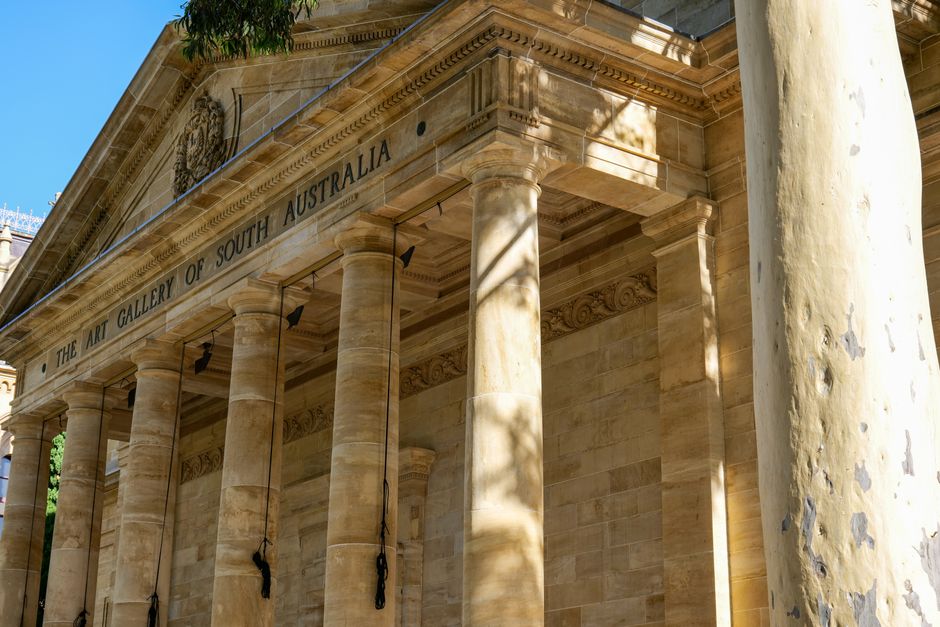
Adelaide organisations are sitting on digital asset libraries bloated with duplicate images — and the hidden cost of that disorder is measurable. Industry data from digital asset management providers consistently shows that between 30 and 40 per cent of files stored in unmanaged corporate image libraries are exact or near-exact duplicates, burning storage budgets and adding hours of manual labour every week to content workflows.
The timing matters. South Australia is in the middle of an unprecedented digital infrastructure build-out. Lot Fourteen, the North Terrace innovation precinct that now houses more than 80 resident organisations including the Australian Space Agency, has become a pressure cooker for content production. Defence contractors clustered around the Osborne Naval Shipyard precinct in the northern suburbs are generating technical documentation and visual assets at scale for the AUKUS submarine program. Every one of those operations runs a digital asset pipeline — and most of them, according to published audits from digital governance consultancies, have never run a systematic deduplication process.
Cloud storage is not cheap. Amazon Web Services and Microsoft Azure — both used extensively by SA government agencies and private contractors — charge between $0.023 and $0.025 per gigabyte per month for standard storage tiers as of mid-2026. An organisation storing 10 terabytes of image assets, with 35 per cent of that figure comprising duplicates, is paying to store roughly 3.5 terabytes of unnecessary files every single month. Over a 12-month contract, that adds up to a tangible and avoidable line item.
The labour side is harder to quantify but arguably more significant. Research published by the Content Marketing Institute in 2024 found that creative teams in mid-sized organisations spend an average of 4.8 hours per week searching for or recreating assets they cannot locate in their own libraries. For a five-person content team billing at $85 an hour — a conservative rate for specialist digital production work in Adelaide's current market — that translates to roughly $88,000 in wasted productive time annually.
Duplicate images compound this problem. When photographers and graphic designers at organisations like the South Australian Tourism Commission or the Department for Trade and Investment upload campaign photography, version control breaks down almost immediately without governance rules in place. A single product or location shoot can generate hundreds of near-identical RAW files, edited variants and compressed web exports. Without automated deduplication, all of them land in the same folder structure and stay there.
The hydrogen jobs plan rollout and the Olympic Dam expansion at Roxby Downs are producing a new class of technical image asset — site photography, engineering diagrams, environmental documentation — that is subject to both commercial and regulatory retention requirements. The challenge for organisations managing those libraries is not just storage cost but compliance risk. Retaining multiple copies of a document image under the wrong version number can create legal exposure during audits or procurement reviews.
Several digital asset management platforms, including Bynder and Canto, now include AI-assisted duplicate detection as a standard feature in their enterprise tiers, typically priced from $1,500 to $3,000 per month depending on user count and storage volume. Adelaide-based web development and digital strategy firms operating out of Pirie Street and the Greenhill Road corridor have reported increasing client inquiries about DAM implementations since late 2025, coinciding with the federal government's expanded procurement activity linked to defence and space contracts flowing through Lot Fourteen.
For organisations that are not yet ready for a full platform investment, the practical first step is an asset audit. Free tooling exists — including Google's open-source duplicate file finder scripts and Windows' built-in storage sense analyser — that can generate a baseline count within hours. The South Australian Government's Digital Strategy, updated in 2025, explicitly references asset governance as a priority area for agencies undertaking digital transformation, which gives internal teams a policy hook to justify the remediation work to finance committees.
The deduplication conversation used to be treated as IT housekeeping. Given the scale of digital content now moving through Adelaide's defence, energy and innovation precincts, it has become a budget question that lands on the CFO's desk.
Partner Content
PromotedTell your story in long form alongside trusted local journalism. Native placements run for seven days across the homepage and a dedicated article URL, with a clear “Promoted” label and full editorial production support.
Enquire about partner contentSpread the word
About this article
Published by The Daily Adelaide
Your take
Daily brief
Free, in your inbox before 7am. Weekdays.
More from Adelaide


