Duplicate Property Images Are Flooding Adelaide's Rental Market — and Renters Are Paying the Price
Fake and recycled listing photos are misleading Adelaide tenants at a time when vacancy rates leave almost no room for error.
Fake and recycled listing photos are misleading Adelaide tenants at a time when vacancy rates leave almost no room for error.
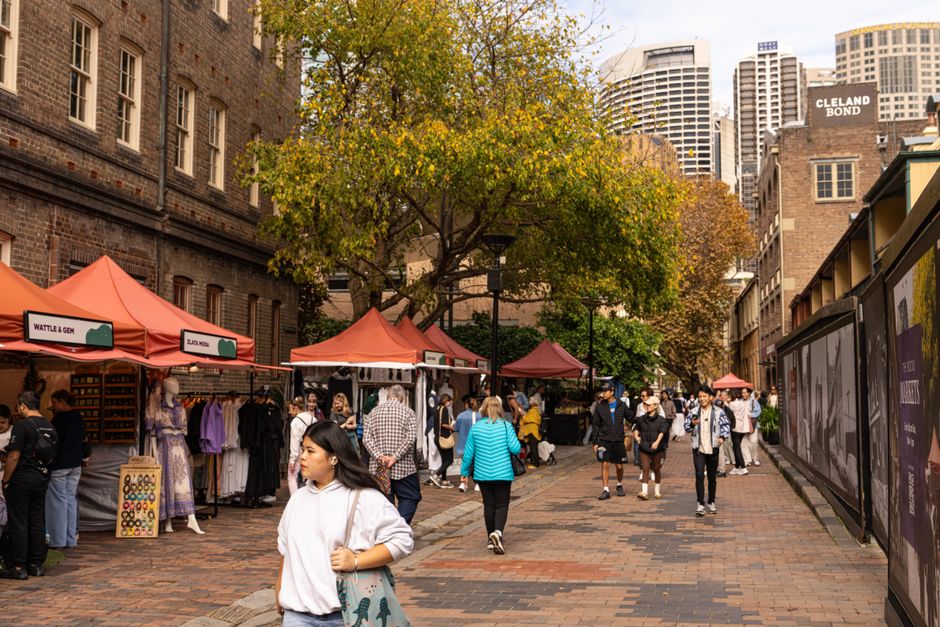
Adelaide renters are losing bond deposits and signing leases on properties they have never physically inspected, after a surge in duplicate and misrepresented listing images across the city's rental platforms. Consumer and Business Services SA has received a growing volume of complaints this financial year relating to misleading property advertising, with listings that recycle photographs from previous tenancies — or properties on entirely different streets — appearing on major portals including Domain and realestate.com.au.
The problem matters right now because Adelaide's rental vacancy rate sits near historic lows, pushing prospective tenants into snap decisions. When someone is competing against a dozen other applicants for a two-bedroom unit in Prospect or Kurralta Park, many are applying and paying holding deposits without ever walking through the front door. A recycled image from a 2021 renovation, or a photo lifted from a comparable property in Unley, can be enough to seal that decision.
The practical consequences land hardest in suburbs where rental stock is tight and turnover is fast. Tenants who applied for properties in inner-north Adelaide — particularly around O'Connell Street, North Adelaide and the adjacent Fitzroy and Ovingham pockets — have described arriving for key handover only to find kitchens or bathrooms significantly different from listing photographs. In some cases, images showed a fully renovated kitchen that had already been replaced with a cheaper fit-out when a prior landlord sold the property mid-tenancy.
Real estate industry bodies, including the Real Estate Institute of South Australia, have existing codes of conduct requiring that listing photographs accurately represent a property's current condition. The challenge is enforcement. South Australia's residential tenancy laws require disclosure of material facts, but a photograph of a different property's interior does not automatically trigger a clear legal remedy unless a tenant can prove they relied on it to their detriment — a threshold that remains difficult to meet at the Consumer and Business Services tribunal level.
Lot Fourteen, the North Terrace innovation and technology precinct, hosts several proptech startups working on property data transparency tools. At least one Adelaide-based startup operating out of Lot Fourteen has been developing image-recognition software designed to flag duplicate or mismatched listing photos before they go live on major portals — cross-checking images against historical listing databases. The technology is not yet integrated into any of the major national portals, but discussions with South Australian agencies are understood to be ongoing.
Consumer advocates recommend a straightforward checklist before signing any lease or paying a holding deposit. First: request a current, date-stamped photo or a short video walkthrough via a platform such as FaceTime or WhatsApp before handing over any money. Second: run a reverse image search — using Google Images or TinEye — on every photograph in a listing. The process takes under three minutes and can immediately reveal whether a photo has appeared in a listing for a different address or in a prior year. Third: check the suburb's median rent against the listing price on data published by the South Australian government's rental bond authority, which publishes quarterly suburb-level data. If a North Adelaide unit is listed at $650 a week but the median comparable rental is $720, the discrepancy is worth probing.
Tenants Union SA, based on Waymouth Street in the CBD, offers free advice sessions for renters who believe they have been misled by a listing. The organisation has flagged the duplicate-image issue in its recent advocacy materials and is pushing for a mandatory date-stamping requirement on all photographs used in South Australian rental advertisements — a reform that Consumer and Business Services SA has not yet formally adopted but is said to be reviewing.
The July 1 start of the new financial year brought updated rental bond lodgement requirements in South Australia, meaning landlords and agencies must now lodge bonds within five business days of receipt. Whether that tightening of process will be extended to listing-accuracy standards is a question the state government has not yet answered publicly. For renters in Adelaide right now, the practical advice is blunt: if you cannot get inside a property before paying, do not pay.
Partner Content
PromotedTell your story in long form alongside trusted local journalism. Native placements run for seven days across the homepage and a dedicated article URL, with a clear “Promoted” label and full editorial production support.
Enquire about partner contentSpread the word
About this article
Published by The Daily Adelaide
Your take
Daily brief
Free, in your inbox before 7am. Weekdays.
More from Adelaide


