Adelaide's Image Replacement Efforts See Latest Developments and What Happened This Week
A closer look at the recent advancements in duplicate image replacement technology and its potential impact on the city's tech industry
A closer look at the recent advancements in duplicate image replacement technology and its potential impact on the city's tech industry
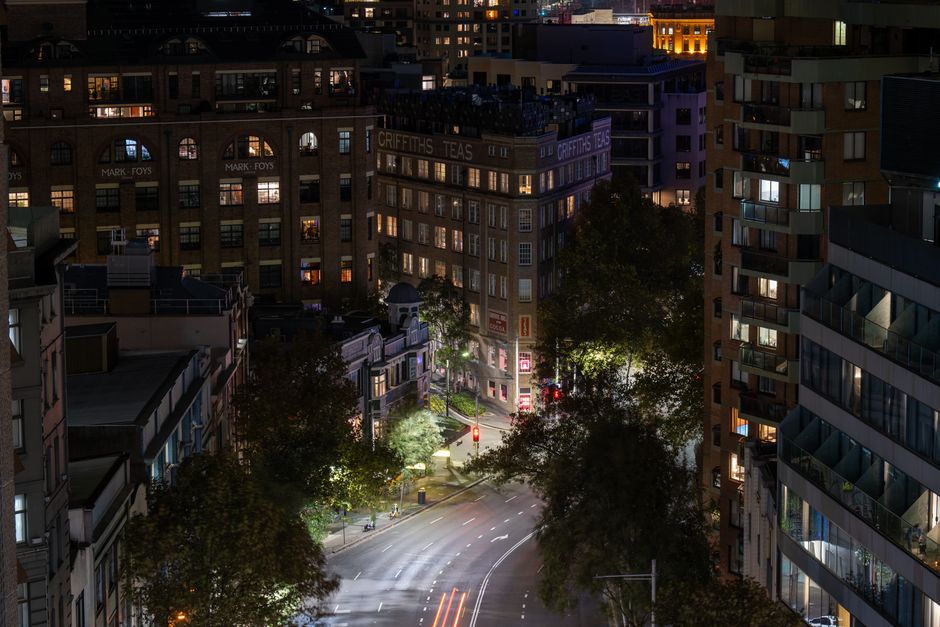
This week, Adelaide witnessed significant progress in the field of duplicate image replacement, with several key players making notable announcements. The city's thriving tech scene, particularly in the Lot Fourteen precinct, has been abuzz with activity as companies and research institutions explore new applications for this technology.
The importance of duplicate image replacement cannot be overstated, especially in the context of Adelaide's growing reputation as a hub for innovation and technology. With the AUKUS submarine program and the Olympic Dam uranium expansion underway, the need for advanced image processing and analysis capabilities is becoming increasingly pressing. Furthermore, the SA Labor government's hydrogen jobs plan rollout and the establishment of the Lot Fourteen tech and space precinct have created a fertile ground for startups and entrepreneurs to develop and apply this technology.
In Adelaide, several organisations are at the forefront of duplicate image replacement research and development. The University of Adelaide's Australian Institute for Machine Learning, located on North Terrace, is collaborating with the Defence Science and Technology Group, based in the Edinburgh Parks area, to explore potential defence applications. Meanwhile, companies like Resonate Solutions, with offices on Grenfell Street, are working on commercialising this technology for use in various industries, including healthcare and finance. The Adelaide City Council has also announced plans to support the growth of the tech sector, with initiatives such as the provision of funding for startups and the development of innovation hubs in areas like the Adelaide Arcade and the Gawler Place precinct.
According to data from the Australian Bureau of Statistics, the number of tech startups in Adelaide has increased by 25% over the past year, with many of these companies focusing on artificial intelligence and machine learning applications, including duplicate image replacement. The ABS also reports that the median salary for tech workers in Adelaide is around $83,000 per annum, with some specialists in image processing and analysis commanding salaries upwards of $120,000. As of June 2026, the South Australian government has committed $10 million in funding to support the growth of the tech sector, with a particular emphasis on encouraging innovation and entrepreneurship in areas like duplicate image replacement.
As the duplicate image replacement technology continues to evolve, it is likely that we will see significant advancements in various fields, from defence and healthcare to finance and education. For individuals and businesses looking to get involved, it is essential to stay up-to-date with the latest developments and to explore potential applications and collaborations. The Lot Fourteen precinct, in particular, is expected to play a key role in the growth of this technology, with its proximity to major research institutions and its reputation as a hub for innovation and entrepreneurship. As the city looks to the future, one thing is clear: Adelaide is poised to become a leader in the field of duplicate image replacement, with significant benefits for the local economy and community.
Partner Content
PromotedTell your story in long form alongside trusted local journalism. Native placements run for seven days across the homepage and a dedicated article URL, with a clear “Promoted” label and full editorial production support.
Enquire about partner contentSpread the word
About this article
Published by The Daily Adelaide
Your take
Daily brief
Free, in your inbox before 7am. Weekdays.
More from Adelaide