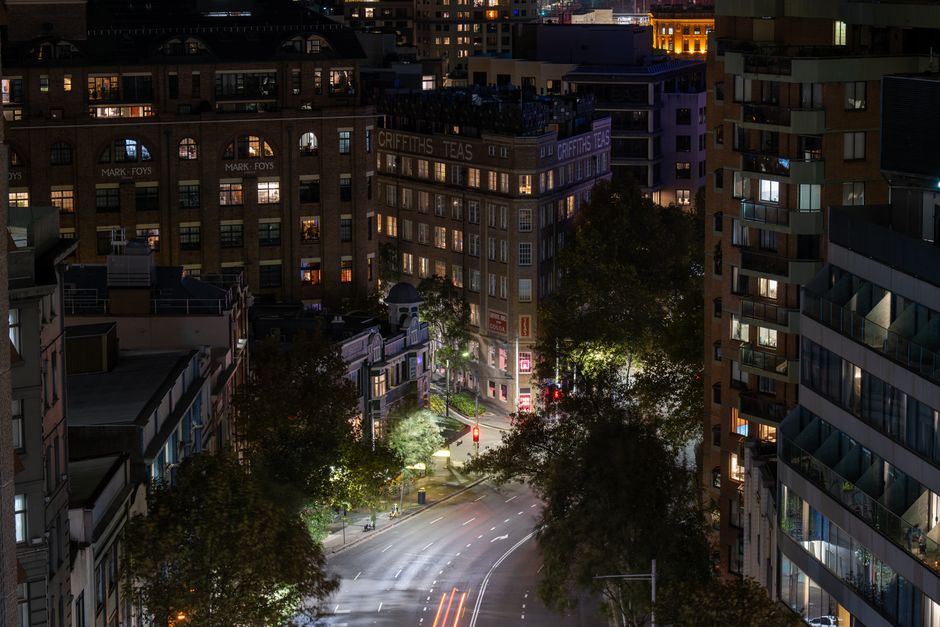
From soaring council rates in the inner suburbs to mandatory solar upgrades on rental properties, South Australia's sustainability agenda is landing directly on household budgets across Adelaide.
Adelaideans are beginning to feel the financial weight of South Australia's accelerating clean energy transition — and for many households, the pinch is arriving faster than any rebate cheque. Across suburbs from Prospect to Mawson Lakes, residents are confronting higher council levies tied to green infrastructure spending, mandatory minimum energy efficiency standards for rental properties effective from July 1 this year, and electricity network upgrade costs quietly folded into their quarterly bills.
The timing matters. South Australia already generates more than 70 percent of its electricity from renewable sources on average — a figure SA Power Networks cited as recently as March 2026 — but the cost of building and maintaining the grid infrastructure to handle that intermittent supply is being socialised across all electricity customers. The average Adelaide household is now paying roughly $1,840 a year in electricity costs, according to the Australian Energy Regulator's June 2026 benchmark figures, up about $210 on three years ago even after federal bill relief credits are applied. The Malinauskas government's Hydrogen Jobs Plan, headquartered at Whyalla, is being partly funded through state budget allocations that climate economists say have downstream effects on royalty priorities and service spending elsewhere.
What's Actually Changing on Your Street
The most immediate change for renters sits inside the Residential Tenancies Act amendments that took effect this month. Landlords of properties in metropolitan Adelaide must now ensure minimum ceiling insulation ratings and, for new lease agreements signed after July 1, 2026, provide a Nationwide House Energy Rating Scheme score of at least two stars. Real estate agencies along Unley Road and in the eastern suburbs have reported landlords offloading investment properties rather than absorbing upgrade costs estimated between $4,000 and $9,000 per dwelling. That pressure is tightening an already stressed rental market where the Real Estate Institute of South Australia recorded a vacancy rate of just 0.8 percent in May.
Councils are also spending heavily. The City of Adelaide's 2025-26 budget allocated $14.2 million toward urban greening, solar-powered street lighting upgrades along King William Street, and stormwater harvesting projects in the parklands. Neighbouring Burnside Council approved a 6.3 percent rate increase in June, with councillors citing climate resilience infrastructure as a primary driver. Residents in Hazelwood Park and Beaumont have pushed back at public meetings, arguing the levies disproportionately burden retirees on fixed incomes.
The Lot Fourteen precinct on North Terrace — the state government's showcase for tech and space industry investment — houses the South Australian Housing Trust's new Green Retrofit coordination office, which launched in April. The office is processing applications for the $2,500 household solar battery rebate under the state's Home Battery Scheme extension, but demand has outpaced available slots, with a current wait of roughly 14 weeks for an approved installer assessment.
Where the Money Goes and What Comes Next
The broader economic argument from the government is straightforward: short-term capital costs generate long-term energy bill savings and underpin the defence and advanced manufacturing jobs Adelaide is chasing under the AUKUS program. SA's Renewable Energy Commissioner has pointed to modelling suggesting households with rooftop solar and a battery are saving an average of $1,100 annually — but that figure assumes upfront investment of around $12,000 to $14,000 for a quality 10-kilowatt system with storage, well beyond what many western suburbs renters or outer-metro homeowners can front.
For residents trying to navigate the next 12 months, the practical steps are concrete. Homeowners should lodge Home Battery Scheme applications through the government's EnergyMate portal now rather than waiting — the scheme's current $100 million funding envelope is expected to be exhausted by the first quarter of 2027. Renters should request their property's energy rating from landlords in writing before signing any new lease. And anyone in a suburb flagged under the Urban Greening Plan — including Bowden, Hackney and parts of Norwood — should check their council's local consultation schedule, because objection windows on tree canopy and permeable paving projects are typically open for only 21 days.
The green transition is real, and in South Australia it is moving faster than almost anywhere else in the country. The question residents are asking on doorsteps from Semaphore to St Marys is who absorbs the cost while the long-term benefits are still years away.
Partner Content
Promoted
Brought to you by an Adelaide partner
Reach engaged Adelaide readers with sponsored stories
Tell your story in long form alongside trusted local journalism. Native placements run for seven days across the homepage and a dedicated article URL, with a clear “Promoted” label and full editorial production support.