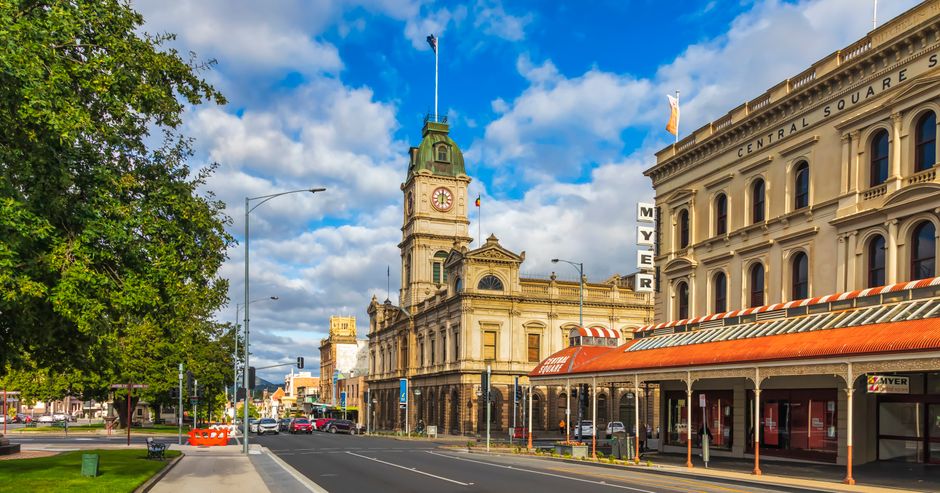
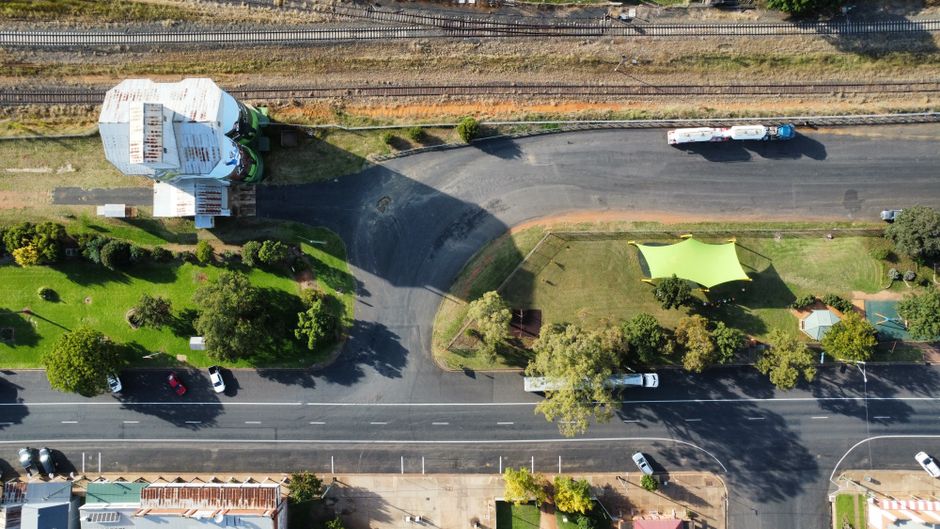
Community leaders across Adelaide's northern suburbs and the CBD fringe say a surge of interstate and overseas arrivals is straining services, but also reshaping the city in ways worth watching.
More than 4,200 people settled in Greater Adelaide in the March quarter alone, the highest single-quarter intake since the Australian Bureau of Statistics began disaggregating South Australian migration data in 2003. For the multicultural organisations trying to absorb them, this week has felt like a reckoning.
The surge matters now because it is landing on top of an already stretched system. The Malinauskas government's hydrogen jobs plan and the AUKUS submarine build-up at Osborne Naval Shipyard are pulling skilled workers from the Philippines, India, and South Korea into a city whose rental market, public transport, and settlement services were not designed for this volume. The median weekly rent for a three-bedroom house in Elizabeth, one of the primary resettlement corridors in Adelaide's north, hit $420 in June, up from $340 eighteen months ago.
At the Multicultural Communities Council of SA on Grote Street in the CBD, caseworkers processed 318 new client referrals in June, a record for that month. Chief among the needs: emergency housing referrals, Medicare registration assistance, and help navigating Centrelink. The council's emergency housing brokerage fund, which holds roughly $180,000 annually, was nearly exhausted by mid-June. Settlement Services International, which operates a South Australian office out of Hindmarsh, has reported a similar crunch, with wait times for its initial needs assessment blowing out from five days to nearly three weeks since April.
On the ground in Salisbury and Davoren Park
Drive north up the Main North Road past Parafield Gardens and the new arrivals become visible in small ways: a halal butcher wedged between a kebab shop and an empty retail front near Salisbury Highway, hand-lettered signs in Tigrinya and Tamil outside community rooms at the Salisbury Community Hub on John Street. This is where the real settlement work happens, far from the glossy Lot Fourteen tech precinct on North Terrace where the government prefers to stage its immigration success stories.
Community members who spoke to The Daily Adelaide this week, a Sudanese-Australian community liaison in Davoren Park, a Filipino tradesman recently arrived to work on a subcontractor pipeline for the Osborne submarine project, and an Afghan mother of three who has been waiting since February for a permanent address, described a city that is genuinely welcoming in spirit but chronically under-resourced in practice. The Filipino tradesman said he spent eleven nights in a Salisbury motel before finding a share house in Pooraka through a Facebook group, not through any official channel. The Afghan mother said her case manager at a northern suburbs community health centre had changed three times in four months.
The pressure is not evenly distributed. Inner suburbs like Norwood and Unley, popular with interstate professional migrants drawn by Lot Fourteen opportunities, have more established support networks and higher household incomes. The 2021 census put median weekly household income in Norwood at $1,742, compared to $1,104 in Salisbury. That gap has almost certainly widened since.
What community organisations say needs to happen
The Multicultural Communities Council of SA has written to Immigration Minister Tom Koutsantonis, who also holds the housing portfolio, requesting a $2 million top-up to the state's settlement support grants program before the end of the financial year on July 31. The council is also pushing for a dedicated multicultural liaison officer to be embedded at the new Salisbury Health Hub, which is due to open in late 2026 under a $34 million state government commitment.
For new arrivals trying to find their footing right now, the council recommends registering with a GP through HotDoc before attempting to access mental health or specialist services, and contacting AMES Australia's Adelaide office on Pulteney Street for free employment assistance. The Refugee and Migrant Centre on Waymouth Street runs a Thursday drop-in from 9am to noon that has no waitlist. Those are the practical handholds available while the bigger funding arguments play out in offices on North Terrace.
The week is big. The city is bigger. Whether the infrastructure catches up is a policy question, but for the people waiting in Salisbury motels right now, it is also a daily one.
Partner Content
Promoted
Brought to you by an Adelaide partner
Reach engaged Adelaide readers with sponsored stories
Tell your story in long form alongside trusted local journalism. Native placements run for seven days across the homepage and a dedicated article URL, with a clear “Promoted” label and full editorial production support.