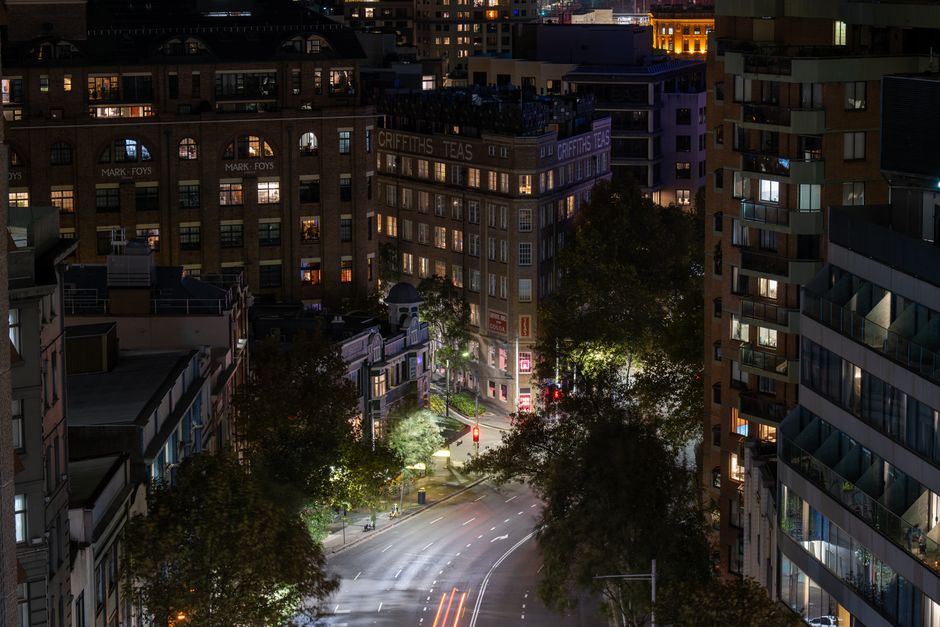
From Prospect to Port Adelaide, long-time South Australians are describing a city that has quietly priced them out of the places they built their lives.
The median house price in Adelaide crossed $800,000 in the first quarter of 2026, according to PropTrack data — a figure that would have seemed absurd to anyone who bought in the western suburbs a decade ago. For a generation of renters, key workers, and young families, it marks the point at which the city stopped making sense.
Adelaide's housing pressures did not arrive suddenly. They accumulated through a series of decisions — some made in state cabinet, others made on developer drawings or in federal funding rounds — that stretched back to the 1990s rezoning push and accelerated sharply after the COVID-19 pandemic triggered sustained interstate migration. South Australia recorded its strongest population growth in 40 years in 2023-24, with more than 30,000 people arriving from other states. The AUKUS submarine program, the Lot Fourteen tech precinct, and defence contracts worth billions of dollars brought skilled workers who needed somewhere to live. The housing stock did not keep up.
The Streets Where It Shows
Walk along Churchill Road in Prospect on a Saturday morning and the story writes itself in real estate signs. Rental listings that sat at $350 per week in 2019 now open at $550, and they're gone within 48 hours. In Bowden, the state government's own infill showcase — a dense, transit-oriented development designed to absorb growth along the LeFevre Peninsula corridor — waiting lists for social housing applicants have stretched past 14 months. Renters who spoke to The Daily Adelaide described arriving at inspections to find 30 other people ahead of them.
Uniting SA, which runs emergency housing support services across metropolitan Adelaide, reported a 41 percent increase in housing stress presentations between July 2024 and June 2025. The organisation's Port Adelaide office, on Dale Street, processed more than 600 new client contacts in the 2024-25 financial year — a record for that branch. Staff there say the demographic has shifted: it is no longer dominated by people with complex needs, but by working people, including nurses, aged care workers, and tradespeople, who simply cannot find affordable rentals near their jobs.
The state government's Affordable Homes Program, announced in 2023 with a target of 1,200 new affordable dwellings by 2027, has delivered 340 completions to date. Peter Malinauskas's government argues the pipeline is full. Critics, including the South Australian Council of Social Service, say the definition of 'affordable' — pegged at 75 percent of market rent — has itself become unaffordable as the market raced ahead.
How the Decisions Compounded
Planners and housing researchers point to the mid-2000s as the hinge point. The 30-Year Plan for Greater Adelaide, first released in 2010, anticipated growth concentrated in urban infill corridors rather than greenfield sprawl. The instinct was defensible: Adelaide's geography puts drinking water catchments to the north and east, and farmland to the south. But the infill targets consistently fell short of projections throughout the 2010s, leaving a structural deficit that the pandemic-era migration wave then ran straight into.
Meanwhile, the federal government's National Rental Affordability Scheme, which had subsidised around 2,800 dwellings in South Australia before being wound back in 2016, left a hole no subsequent program fully replaced. Land Tax Act amendments in 2020 discouraged some small landlords from the market. Each decision, made in isolation, seemed manageable. Together, they narrowed the corridor for anyone not already holding property.
The immediate outlook depends heavily on two things. The state government's rezoning of 27 activity centres — including Norwood's The Parade and the Mitcham Shopping Centre precinct — is moving through consultation now, with final determinations expected by the end of 2026. If those centres are opened to six-storey residential development as proposed, analysts at the Urban Development Institute of Australia (SA Division) estimate an additional 18,000 dwellings could be unlocked over a decade. Construction, though, takes time that renters do not have. Community legal centres, including the Welfare Rights Centre SA on Pirie Street, are advising people in housing stress to contact their office before a lease expires, not after — and to document every rent increase notice carefully, given proposed tenancy law amendments now before the Legislative Council.
Partner Content
Promoted
Brought to you by an Adelaide partner
Reach engaged Adelaide readers with sponsored stories
Tell your story in long form alongside trusted local journalism. Native placements run for seven days across the homepage and a dedicated article URL, with a clear “Promoted” label and full editorial production support.