Duplicate Image Replacement: Why This Matters for Local Residents and the Community Impact
The growing concern of duplicate image replacement and its effects on Adelaide's community, from the suburbs of Prospect to the city's Lot Fourteen precinct.
The growing concern of duplicate image replacement and its effects on Adelaide's community, from the suburbs of Prospect to the city's Lot Fourteen precinct.
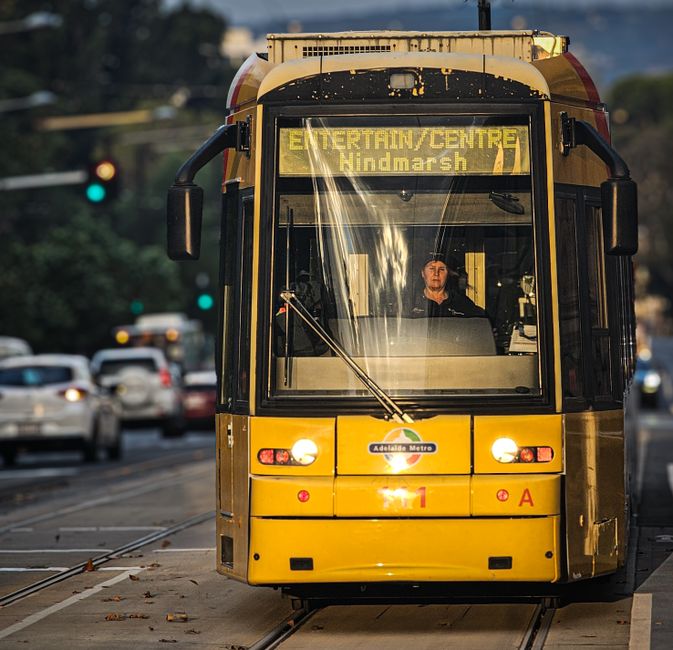
Adelaide is facing a unique challenge with the increasing presence of duplicate image replacement, a phenomenon where identical images are used in different contexts, potentially misleading residents and visitors alike.
This issue matters now because it can have significant implications for the community, particularly in terms of trust and perception of local information. With the city's growing defence industry hub and the AUKUS submarine program, accurate representation of information is crucial. Moreover, the recent rollout of the hydrogen jobs plan and the expansion of the Olympic Dam uranium mine have brought new attention to the region, making it essential to ensure that the information presented to the public is reliable and trustworthy.
In Adelaide, this issue is particularly relevant in areas such as the Lot Fourteen tech and space precinct, where innovation and accuracy are paramount. The precinct, located on the site of the former Royal Adelaide Hospital on North Terrace, is home to organisations such as the Australian Institute for Machine Learning and the Space Agency. Additionally, suburbs like Prospect, with its vibrant main street and community events, rely on accurate information to maintain a sense of trust and cohesion among residents. The City of Adelaide and the State Government have initiatives in place to address this issue, including the Adelaide City Council's Digital Strategy and the SA Government's Data Analytics Program.
According to data from the Australian Bureau of Statistics, in 2020-21, the number of people employed in the information media and telecommunications industry in South Australia increased by 10.3% to 14,400. This growth highlights the importance of accurate information in the state's economy. Furthermore, a report by the University of Adelaide's Australian Institute for Machine Learning found that the use of duplicate images can lead to a 25% decrease in trust among consumers. With the average household income in Adelaide being around $83,000 per year, according to the 2021 Census, it is essential that residents have access to reliable information to make informed decisions.
As the community continues to grow and evolve, with a predicted 10% increase in population by 2025, it is crucial that steps are taken to address the issue of duplicate image replacement. Residents can take practical steps to verify the accuracy of information by checking sources and looking for corroboration from reputable organisations. The State Library of South Australia and the University of Adelaide's library offer resources and workshops to help residents develop critical thinking and media literacy skills. By working together, Adelaide can maintain its reputation as a trusted and reliable source of information, ultimately benefiting the community and supporting its continued growth and development.
Partner Content
PromotedTell your story in long form alongside trusted local journalism. Native placements run for seven days across the homepage and a dedicated article URL, with a clear “Promoted” label and full editorial production support.
Enquire about partner contentSpread the word
About this article
Published by The Daily Adelaide
Your take
Daily brief
Free, in your inbox before 7am. Weekdays.
More from Adelaide


