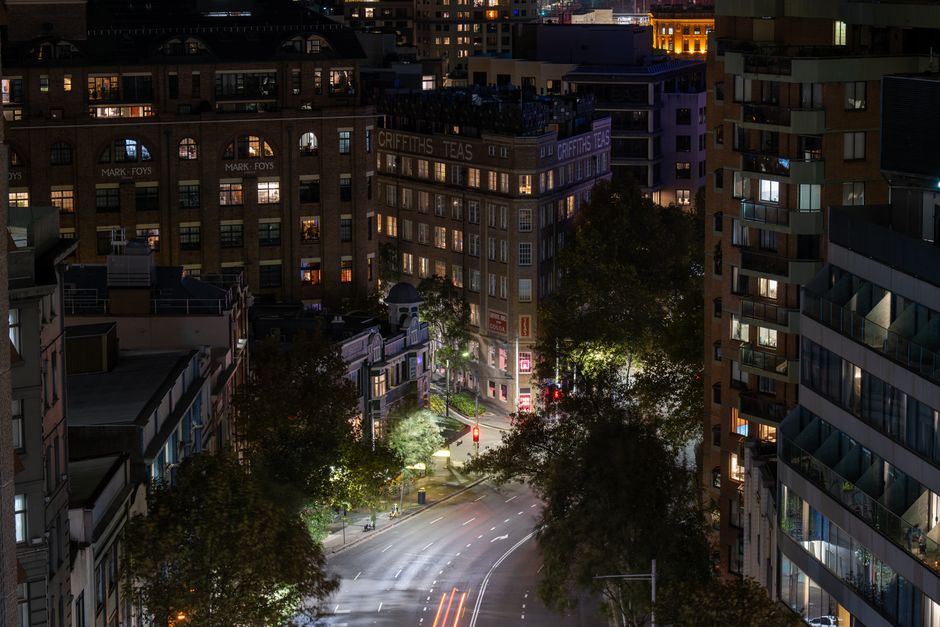
The city is drawing interstate and overseas arrivals at a pace that has surprised planners, and the decisions made in the next 18 months will shape whether that growth becomes an asset or a crisis.
Adelaide is processing population growth at a rate that has outpaced comparable cities in recent quarters, and state planners are now wrestling with a blunt question: the infrastructure and housing decisions deferred during slower years cannot be deferred much longer. The Greater Adelaide region added roughly 38,000 residents in the 12 months to March 2026, according to figures from the Office for Data Analytics, a figure that would have seemed implausible to forecasters writing plans as recently as 2022.
The surge matters now because it is arriving on top of, not ahead of, capacity constraints. The AUKUS submarine program centred on Osborne Naval Shipyard has pulled skilled tradespeople and engineers from interstate and abroad. The Lot Fourteen precinct on North Terrace has seeded a second wave of tech workers and their families. And Sydney's persistent unaffordability — reinforced by data showing median house prices there still sitting above $1.4 million — has pushed a steady stream of east-coast professionals toward a city where the median dwelling price in metropolitan Adelaide was closer to $790,000 as of June 2026. The arithmetic is not subtle.
Where the Pressure Is Landing
The northern and southern growth corridors are absorbing the bulk of new arrivals. Suburbs along the Noarlunga and Gawler rail lines — Seaford Meadows, Angle Vale, Munno Para — have seen land releases accelerate under the state government's Housing Roadmap, which targets 100,000 new dwellings across greater Adelaide by 2036. But inner suburbs are not immune. Bowden, directly north of the CBD across Park Terrace, has become a flashpoint: apartment approvals are running ahead of the precinct's stormwater and electrical grid upgrades, a mismatch that SA Water and SA Power Networks flagged in submissions to the State Planning Commission in May.
The Eastern Health Authority reported a 14 per cent increase in GP registration requests across the Norwood, Payneham and St Peters council area in the first half of 2026, a proxy signal for how quickly established neighbourhoods are absorbing new households. School enrolment data from the Department for Education tells a similar story: 11 primary schools across the northern suburbs applied for temporary classroom structures before the start of Term 3, compared with four applications at the same point in 2025.
The rental market has tightened sharply. The Real Estate Institute of South Australia reported a vacancy rate of 0.7 per cent across metropolitan Adelaide in June — the lowest recorded figure in the institute's dataset going back to 1998. Median weekly rent for a three-bedroom house hit $560 in June, up from $480 a year earlier. For workers arriving to take up roles at the Osborne Naval Precinct or the Australian Space Agency's operations at Lot Fourteen, the rental arithmetic is starting to close the gap with the cities they left.
The Decisions That Cannot Wait
Planners and local government officials point to three pressure points that will determine whether Adelaide manages this moment well. First, the north-south corridor rail capacity question: the Gawler line electrification project, completed in 2024, needs a companion frequency upgrade that has been sitting in the Department for Infrastructure and Transport's forward estimates but has not received a confirmed start date. Second, the delivery pipeline for social and affordable housing: the state's 10-year plan allocates $1.9 billion but a significant portion is back-loaded to years six through ten, which does little for families arriving now. Third, the planning rules around medium-density infill: the 2024 Planning and Design Code amendments allowed more townhouse development across established zones, but council-level resistance in areas like Burnside and Mitcham has slowed approvals in precisely the leafy, well-serviced suburbs where new professional households most want to live.
The SA Labor government has signalled it will use the August state budget update to fast-track some infrastructure funding. Whether that means pulling forward the rail frequency upgrade, accelerating social housing starts, or both will be the clearest indicator yet of whether state leadership has grasped what the growth numbers are actually demanding. Adelaide has a narrow window to get the sequencing right. The arrivals are not waiting for the politics to catch up.
Partner Content
Promoted
Brought to you by an Adelaide partner
Reach engaged Adelaide readers with sponsored stories
Tell your story in long form alongside trusted local journalism. Native placements run for seven days across the homepage and a dedicated article URL, with a clear “Promoted” label and full editorial production support.