Adelaide's Population Boom Outpacing Housing Supply: Can the Market Keep Up?
New projections show South Australia's fastest growth in decades, but the shortage of affordable stock threatens to lock out first-home buyers and push prices beyond reach.
New projections show South Australia's fastest growth in decades, but the shortage of affordable stock threatens to lock out first-home buyers and push prices beyond reach.
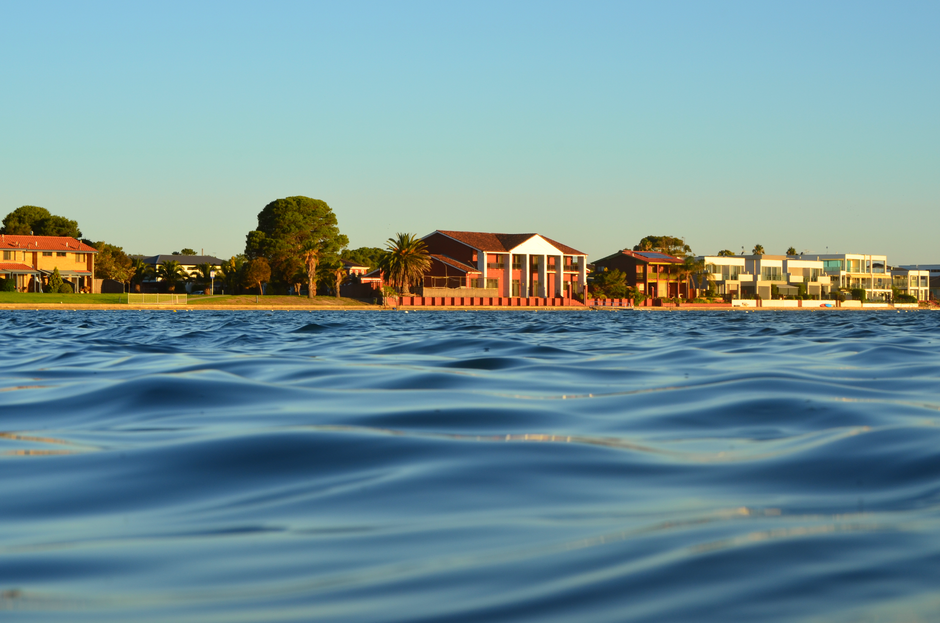
Adelaide is experiencing a population surge that hasn't been seen in a generation. State forecasts predict the metropolitan area will grow by more than 300,000 residents over the next 20 years, driven by interstate migration, overseas arrivals, and natural increase. Yet housing supply remains stubbornly flat—a mismatch that economists warn could reshape the city's character and pricing for years to come.
The numbers tell a stark story. While Adelaide remains Australia's most affordable capital, with a median house price hovering around $720,000, growth in outer suburbs like Lightswood, Paralowie, and Craigmore is already straining local services and infrastructure. The North East corridor—traditionally the entry point for young families and investors—is tightening fast. Established pockets like Prospect and Norwood, long favoured by owner-occupiers, are seeing sustained competition as buyers search further afield.
"The supply pipeline isn't keeping pace with demand," explains Dr Sarah Chen, property economist at the University of South Australia. "We're seeing slower release rates in greenfield areas, slower development approvals, and genuine land constraints around established suburbs where infill is the only option."
First-home buyers, already stretched on serviceability, face the sharpest pressure. While national headlines focus on expensive metropolitan crashes, Adelaide's market tells a different story: steady appreciation, limited stock, and rising construction costs. A first-home buyer who could secure a modest three-bedroom in Panorama or Prospect two years ago now finds themselves priced out or forced to compromise on location or condition.
The state government has committed to accelerating land releases and streamlining development approvals, but planners acknowledge a lag between policy change and housing completion. New estates around Penfield and Woodland Park promise relief, yet absorption rates suggest these won't materially alter the supply equation for 18–24 months minimum.
Market watchers point to a critical inflection point: continued population growth without coordinated housing supply acceleration risks triggering the very affordability crisis Adelaide has escaped. Unlike Melbourne's current winter market dynamics or Sydney's entrenched scarcity, Adelaide still has time and space to act.
The question isn't whether Adelaide will grow. It's whether the city can build fast enough to keep pace. For buyers and investors watching from the sidelines, the answer may determine whether Adelaide remains genuinely affordable or simply becomes the next capital to slip out of reach.
This article was compiled by AI from the sources linked above and screened before publishing. See our editorial standards.
Spread the word
About this article
Published by The Daily Adelaide
Your take
Daily brief
Free, in your inbox before 7am. Weekdays.
More from Adelaide