House Hunt or Unit Gamble? How Adelaide's Price Split Is Reshaping the Market
As detached homes surge while units stagnate, Adelaide's property divergence reveals two very different investment stories.
As detached homes surge while units stagnate, Adelaide's property divergence reveals two very different investment stories.
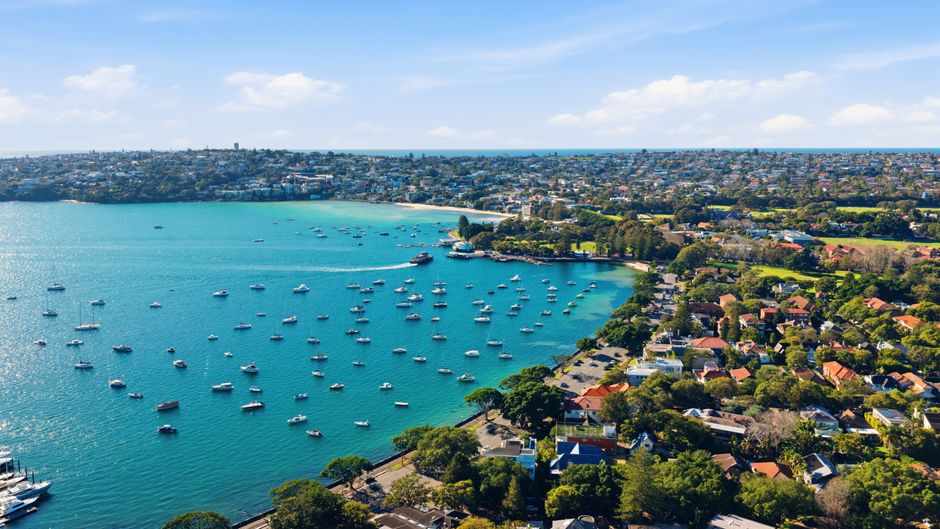
Adelaide's property market is telling two stories these days, and they're moving in opposite directions. While detached houses across the suburbs are climbing steadily—particularly in the North Adelaide corridor and along the Prospect strip—units are struggling to keep pace. This growing divergence is reshaping how buyers think about their next move, and what it means for the city's future.
The numbers paint a clear picture. Detached houses have gained momentum over the past 18 months, with median values for three-bedroom homes in suburbs like Prospect and Norwood now regularly nudging past $900,000. Compare that to units in comparable precincts, where the median hovers closer to $650,000, and the gap becomes impossible to ignore. Even allowing for the obvious differences in space and land content, the price-per-square-metre divergence suggests something deeper is happening.
Supply tells part of the story. Adelaide's land-hungry northern suburbs—from Gawler through to the expanding Northeast Corridor—have seen aggressive residential releases. Developers are capitalising on first-home buyer demand and investor appetite, pushing project homes that promise 600-plus square metres. Meanwhile, unit developments have become increasingly scarce as planning hurdles mount and construction costs bite harder. When supply dries up for apartments, demand doesn't vanish; it simply channels into houses.
The investor mentality is shifting too. For years, units offered convenience and lower entry costs for those priced out of detached homes. Today, that logic is fracturing. Rental yields on units have compressed as the stock grows, while house rentals—particularly in established suburbs—remain relatively robust. First-home buyers are choosing to stretch their budgets for a detached property rather than settle for an apartment they view as a stepping stone.
This realignment carries risks. If unit values fall further behind, the ladder rungs for aspiring buyers become steeper and fewer. A first-home buyer who can't save enough for a modest house now has fewer affordable unit options to climb onto. That's a market friction point regulators and developers should watch closely.
For now, Adelaide remains Australia's most affordable capital, with a median sitting around $720,000. But that headline figure masks the widening gulf between house and unit markets. Buyers hunting in Prospect, Unley, or along the Hills face a very different reality than those eyeing units near the Riverbank or in older inner-east precincts. The question isn't whether prices will eventually align—they usually do—but how far the pendulum will swing before equilibrium returns.
This article was compiled by AI from the sources linked above and screened before publishing. See our editorial standards.
Spread the word
About this article
Published by The Daily Adelaide
Your take
Daily brief
Free, in your inbox before 7am. Weekdays.
More from Adelaide