Adelaide's Quarterly Momentum Slows: Year-on-Year Growth Cools to Single Digits
The June quarter reveals a sharp pullback in price gains compared to last year's robust growth, signalling a market recalibrating after 18 months of sustained rises.
The June quarter reveals a sharp pullback in price gains compared to last year's robust growth, signalling a market recalibrating after 18 months of sustained rises.
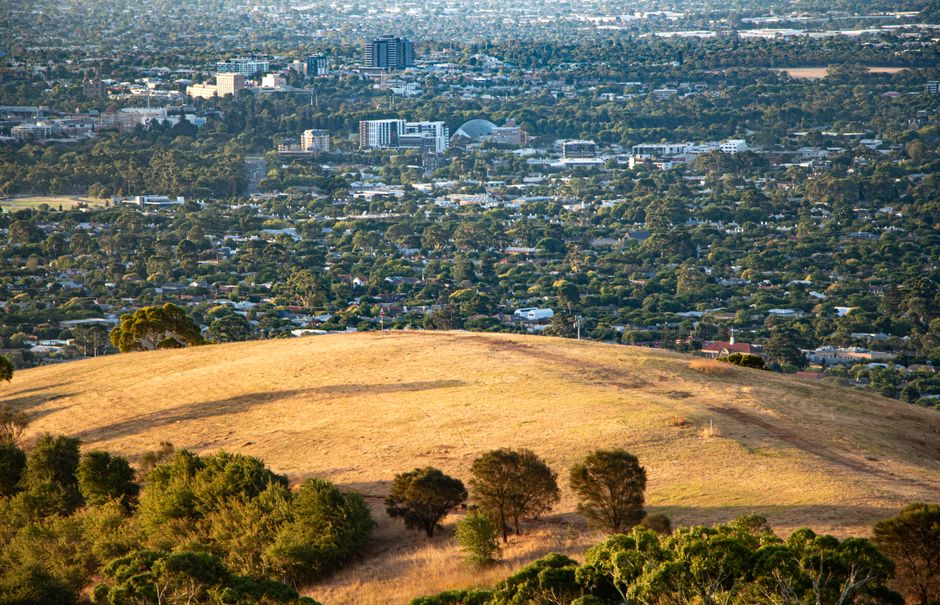
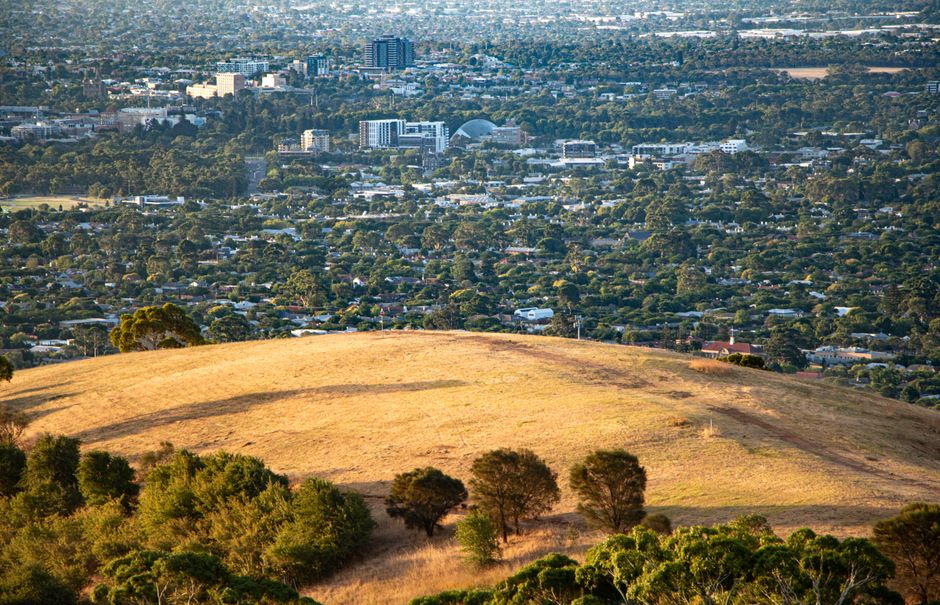
Adelaide's property market is showing signs of fatigue as quarterly price growth has slowed dramatically compared to the same period last year, with median values edging up just 2.3 per cent in the three months to June 2026 against 7.1 per cent growth recorded in the June 2025 quarter.
The shift marks a clear turning point for South Australia's affordable capital, which has spent the past two years attracting interstate migrants and first-home buyers seeking relief from eastern seaboard price pressures. While the broader market remains fundamentally sound, recent rate rises and tax adjustments have visibly dampened buyer enthusiasm across both established and emerging precincts.
The slowdown is particularly evident in Adelaide's traditionally buoyant North-East corridor. Suburbs including Prospect and Thorngate, which posted double-digit growth in mid-2025, have seen momentum ease considerably. The median price for a three-bedroom home in Prospect now hovers around $875,000—up just 1.8 per cent from the June quarter last year—compared to the 8.2 per cent jump recorded across the same comparison 12 months earlier.
Norwood and its inner-east neighbours tell a similar story. While these tree-lined avenues remain staples for professionals and young families, quarterly appreciation has contracted to 2.1 per cent, a sharp deceleration from the 6.9 per cent recorded year-on-year in June 2025.
The market's cooling is not uniform, however. Outer suburbs, particularly along the emerging Rundle Street East precinct and around the Adelaide Showgrounds precinct, continue to attract price growth of 3.4 per cent, suggesting first-home buyers are trading affordability for distance as borrowing capacity tightens.
David Goodman, Director of Research at the Real Estate Institute of South Australia, notes that buyer digestion periods typically extend three to six months following rate movements and legislative changes—a pattern consistent with current market behaviour. The state's position as Australia's most affordable capital, with a median hovering near $720,000, continues to underpin fundamental demand.
Agents report increased buyer caution in their enquiries throughout June, with many families reconsidering entry points along Magill Road corridors and in satellite areas like Flagstaff Hill. First-home buyer grants and the Keystart scheme remain active support mechanisms, though applications have plateaued compared to early 2025 peaks.
The consensus suggests the market is resetting rather than retreating—a normalisation after sustained growth that saw Adelaide outpace most Australian capitals. For sellers and investors eyeing portfolio decisions before the end of financial year, the quarterly slowdown underscores the importance of realistic pricing and market timing.
This article was compiled by AI and screened before publishing. See our editorial standards.
Partner Content
PromotedTell your story in long form alongside trusted local journalism. Native placements run for seven days across the homepage and a dedicated article URL, with a clear “Promoted” label and full editorial production support.
Enquire about partner contentSpread the word
About this article
Published by The Daily Adelaide
Your take
Daily brief
Free, in your inbox before 7am. Weekdays.
More from Adelaide