Adelaide Councils Tighten the Rules on Density — and Developers Are Taking Notice
A wave of planning code amendments is reshaping what can be built, and where, across Adelaide's most sought-after suburbs.
A wave of planning code amendments is reshaping what can be built, and where, across Adelaide's most sought-after suburbs.
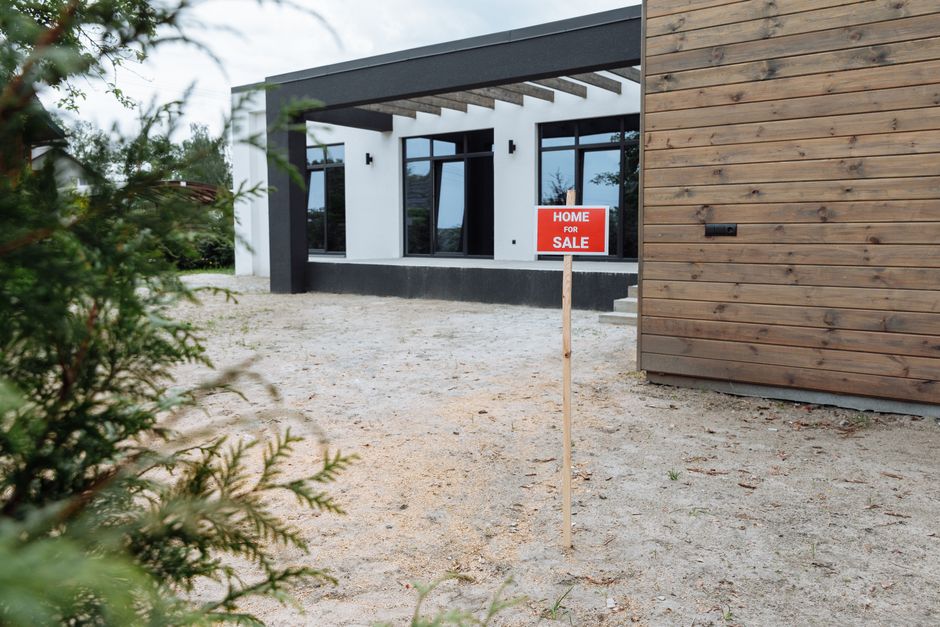
New planning code amendments taking effect across several Adelaide council areas are drawing a hard line on building height, setbacks and design quality — changes that will directly determine what the next decade of infill development looks like in suburbs already under intense pressure from population growth and a state median house price sitting at $720,000.
The amendments, processed through the State Planning Commission under the Planning, Development and Infrastructure Act 2016, are not uniform. Some councils are pushing for stricter controls; others are quietly lobbying the commission for more flexibility. The result is a patchwork of rules that buyers, investors and developers are scrambling to decode before they sign anything.
The timing matters. South Australia is 18 months into its 30-Year Plan for Greater Adelaide update, which targets the delivery of 60 per cent of new housing inside existing urban boundaries. That means suburbs like Prospect, Norwood and the inner north-east corridor — already among the state's most active infill markets — are expected to absorb a significant share of future dwelling growth. How councils respond to that pressure through their development plan policies will determine whether those targets are remotely achievable.
The City of Prospect has flagged amendments that would tighten design quality standards for medium-density residential development along Churchill Road and Prospect Road — two corridors flagged under the transit-oriented development overlay. The changes would require higher minimum ceiling heights, improved solar access provisions and stricter materials specifications for buildings of two storeys or more. Developers working in the area say the additional requirements add cost, but planning advocates argue they are long overdue given the quality of some apartment stock delivered in the corridor since 2020.
The City of Norwood Payneham & St Peters is pursuing a different approach. Council officers have proposed expanding the number of allotments eligible for rear-lane townhouse configurations on streets within 400 metres of The Parade, Magill Road and Kensington Road. The logic: small-lot townhouses deliver gentle density without altering the streetscape character that makes those areas attractive in the first place. The proposal is before the State Planning Commission for review and a public engagement period is expected to open in August 2026.
Not everyone is comfortable with the direction. Resident groups in Kensington Park and St Peters have raised concerns about traffic loading and the cumulative effect of multiple rear-lane developments on stormwater infrastructure, which in parts of the eastern suburbs dates to the 1960s. Those objections have been formally lodged with the commission.
The scale of Adelaide's infill task is not trivial. The Greater Adelaide Regional Plan calls for approximately 314,000 new dwellings to be delivered across the metropolitan area by 2051, with the bulk concentrated in established suburbs rather than on the fringe. Current building approvals data from the Australian Bureau of Statistics shows South Australia approved 14,872 new dwellings in the 12 months to March 2026 — a figure planning economists say falls well short of what the long-term trajectory requires.
Adelaide's relative affordability compared to other capitals has driven interstate migration and investor interest, compressing vacancy rates and pushing rents higher. The Real Estate Institute of South Australia recorded a metropolitan rental vacancy rate of 0.8 per cent in May 2026. That figure makes the case for more supply hard to argue against, even for councils that have historically resisted higher density.
For buyers and investors watching this space, the practical advice is straightforward: check the current zone and overlay before any purchase in the inner ring, and check again in three months. Planning code amendments can shift land value significantly — a site with medium-density potential on Churchill Road is worth a materially different amount than one with single-dwelling restrictions two streets away. The Office of the State Planning Commission publishes all active amendments at its YourSAy portal, and the Norwood Payneham & St Peters engagement period will be the next major opportunity for affected landowners to put their positions on record.
Partner Content
PromotedTell your story in long form alongside trusted local journalism. Native placements run for seven days across the homepage and a dedicated article URL, with a clear “Promoted” label and full editorial production support.
Enquire about partner contentSpread the word
About this article
Published by The Daily Adelaide
Your take
Daily brief
Free, in your inbox before 7am. Weekdays.
More from Adelaide