How Much Rent is Too Much? The 30% Rule in Practice for Adelaide Households
The classic 30% income rule guides renters and buyers, but rising costs in Adelaide’s hottest suburbs are testing its limits—even in Australia’s most affordable capital.
The classic 30% income rule guides renters and buyers, but rising costs in Adelaide’s hottest suburbs are testing its limits—even in Australia’s most affordable capital.
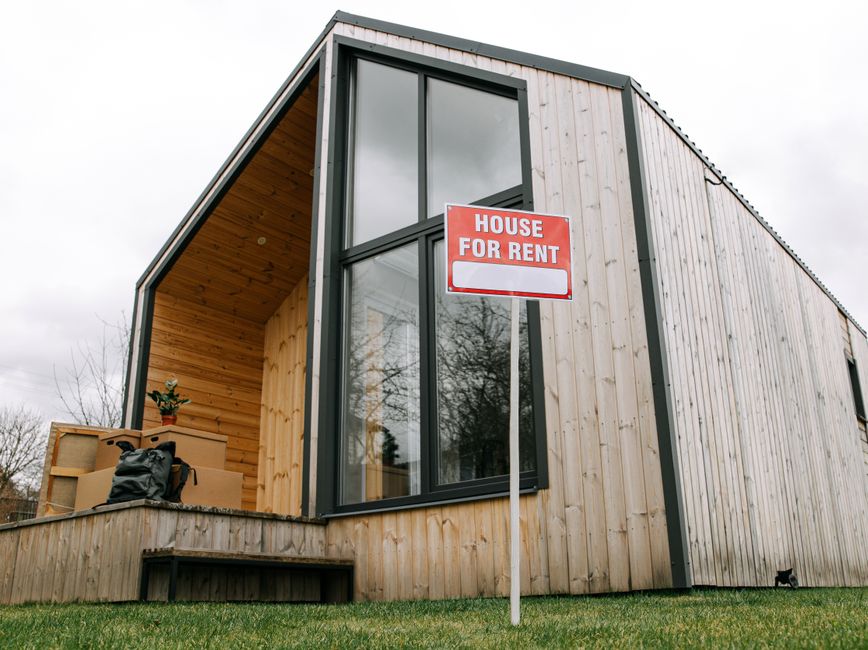
Nearly four in ten Adelaide renters are now spending more than 30% of their household income on rent, Daily Adelaide analysis of CoreLogic and ABS data shows—raising fresh questions about whether the trusted 30% affordability guideline still reflects local reality in 2026.
The figures land as Adelaide’s median dwelling price pushes through $720,000, while average advertised rents for a two-bedroom unit hover around $460 a week according to the June 2026 SQM Research release. For many, the trade-off between renting and buying is no longer simple arithmetic.
The ‘30% rule’—once a reliable boundary marker separating comfortable living from mortgage or rent stress—is being re-examined by financial counsellors and property watchers alike. In Norwood, for instance, recent listings show two-bedroom apartments edging past $530 a week, meaning anyone earning less than $92,000 is in risky territory by classic standards. North Adelaide, one of the city’s most sought-after postcodes, now regularly sees one-bedroom units listed at $450 and above, pushing median-income singles close to the limit set by long-standing financial norms.
Local organisations such as the South Australian Council of Social Service report a steady queue for advice at their Currie Street office. Spokespeople for the City of Prospect revealed that their First-Home Booster Program—launched last year—is attracting twice the expected number of applicants, as more renters explore a leap into ownership, only to discover repayment burdens often mirror or exceed current rents.
Median weekly rent across metropolitan Adelaide has increased by 27% in just three years, according to PropTrack. In April 2023, the median was $370; by June this year, tenants face $470 for a typical three-bed house, forcing nearly half of new tenancies on streets like Churchill Road and Fullarton Road to exceed the 30% income threshold in suburbs once considered manageable.
At the same time, mortgage repayments for a median-priced home have crept above $950 a week with average fixed-rate home loans at 6.19%. For a household earning the Greater Adelaide median of just over $2,000 per week, that puts buyers at the brink, while lower-income families may be priced out of both rental and homeownership options in many city-fringe locations.
Across the north and northeast corridors—from Modbury to Salisbury—tenant advocacy groups point to pockets where more than half of renter households are officially considered under housing stress by Department of Human Services’ standards, with rent often exceeding 35% of take-home pay.
With the Reserve Bank ruling out further rate cuts for now, few expect relief this winter. Analysts suggest renters could hunt for bargains in less-hyped neighbourhoods—areas around Woodville or Klemzig still offer two-bedroom units below $410 a week, with some listings on Torrens Road under $390.
First-home hopefuls are advised to scrutinise SA Housing Authority ballot programs or consider state-backed shared equity schemes, though real estate agents along The Parade warn that demand for affordable stock far outstrips supply. Financial advisers recommend renters or buyers anchor budgets firmly to the 30% marker if possible, but also factor in soaring utility costs and council rates—expenses which have risen twice as fast as the CPI since 2023 in the Adelaide market.
For thousands of local households, the 30% rule is less a comfort blanket and more a red flag. As rents and entry prices continue their steady climb, the debate over ‘how much is too much’ is set to remain front and centre in Adelaide’s property puzzle this spring.
Partner Content
PromotedTell your story in long form alongside trusted local journalism. Native placements run for seven days across the homepage and a dedicated article URL, with a clear “Promoted” label and full editorial production support.
Enquire about partner contentSpread the word
About this article
Published by The Daily Adelaide
Your take
Daily brief
Free, in your inbox before 7am. Weekdays.
More from Adelaide