Salisbury's Secret: The Affordable Adelaide Suburb Outperforming All Its Neighbours
While the rest of Adelaide edges toward $720,000 medians, one northern suburb is posting double-digit growth and still offering entry points under $550,000.
While the rest of Adelaide edges toward $720,000 medians, one northern suburb is posting double-digit growth and still offering entry points under $550,000.
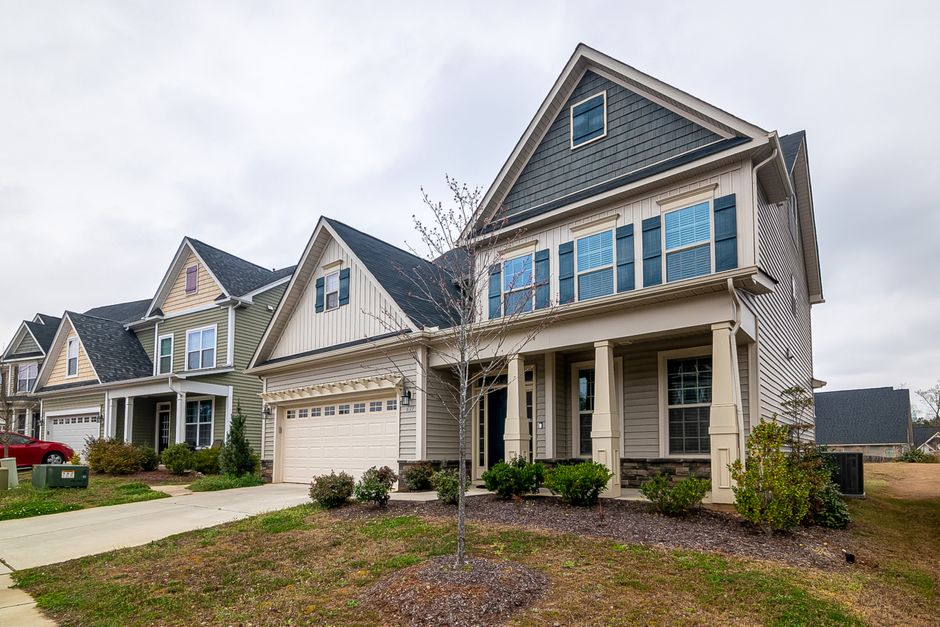
Salisbury is having a moment. The working-class suburb 23 kilometres north of the CBD recorded median house price growth of approximately 14 percent over the 12 months to June 2026, outpacing neighbouring Elizabeth, Parafield Gardens, and even the more fashionable Mawson Lakes. The median sits around $545,000 — a full $175,000 below the South Australian state median — yet buyers are arriving faster than stock can clear.
The timing matters. Adelaide's overall property market has tightened considerably since the Reserve Bank began cutting the cash rate in February 2025, and competition for anything priced south of $600,000 has intensified sharply. Melbourne's auction market is in visible distress, with vendors abandoning the format in rising numbers. Sydney remains stratospherically priced. That leaves cashed-up interstate investors and local first-home buyers hunting the same narrow corridor of affordability in Adelaide's north, and Salisbury keeps appearing at the top of their shortlists.
The suburb's appeal isn't accidental. The Playford Alive urban renewal program, which has been reshaping the Elizabeth and Davoren Park areas since the mid-2000s, has steadily pushed improved housing stock and infrastructure northward along the Main North Road corridor. Salisbury has absorbed much of that momentum. The Salisbury Interchange — a major bus and train hub connecting the Gawler line — gives residents a 38-minute commute to Adelaide Central Market Precinct, a figure that resonates with workers priced out of Prospect or Norwood, where medians have already cracked $900,000 and $1.1 million respectively.
The suburb also sits within the City of Salisbury council area, which has invested heavily in the Salisbury Waterworld precinct redevelopment and the John Harvey Reserve upgrades completed in late 2024. These aren't glamorous projects, but they signal the kind of sustained public investment that historically precedes private capital. The construction of the Lyell McEwin Hospital expansion — a $400 million project delivered in stages through 2023 and 2024 — has also reinforced the area's employment base, giving local property its own internal demand driver rather than relying solely on speculative interest.
Days on market in Salisbury averaged 18 days during the June 2026 quarter, down from 31 days a year earlier. That compression is the clearest signal of demand outrunning supply. Three-bedroom brick homes on streets like Waterloo Corner Road and Church Street, which were selling for $430,000 to $460,000 in mid-2024, are now regularly clearing $510,000 to $540,000 at private treaty. The suburb recorded 312 settled transactions in the 12 months to May 2026, according to CoreLogic data — a volume high enough to make the price movements statistically credible rather than the product of a thin market.
Rental yields remain attractive at roughly 5.1 percent gross for houses, well above the 3.8 percent yield typical of inner suburbs like Unley or Norwood. That gap is drawing self-managed super fund buyers and small-scale investors who cannot justify inner-ring prices but want yield with some capital growth attached. The First Home Owner Grant administered by RevenueSA — currently $15,000 for newly built properties — is also pulling younger buyers to the handful of new housing estates along the Salisbury North boundary, where house-and-land packages still start around $520,000.
For buyers considering a move, the practical window is narrowing. Stock levels across the City of Salisbury council area fell 22 percent year-on-year as of June 2026, and agents working the corridor report multiple-offer situations on anything priced below $530,000. The suburb has not yet attracted the kind of café-and-wine-bar commentary that signals a market top — there is no equivalent of Prospect's Prospect Road strip here — which is precisely the point. The amenity gap is the price gap, and that gap is closing faster than most observers expected.
Partner Content
PromotedTell your story in long form alongside trusted local journalism. Native placements run for seven days across the homepage and a dedicated article URL, with a clear “Promoted” label and full editorial production support.
Enquire about partner contentSpread the word
About this article
Published by The Daily Adelaide
Your take
Daily brief
Free, in your inbox before 7am. Weekdays.
More from Adelaide


