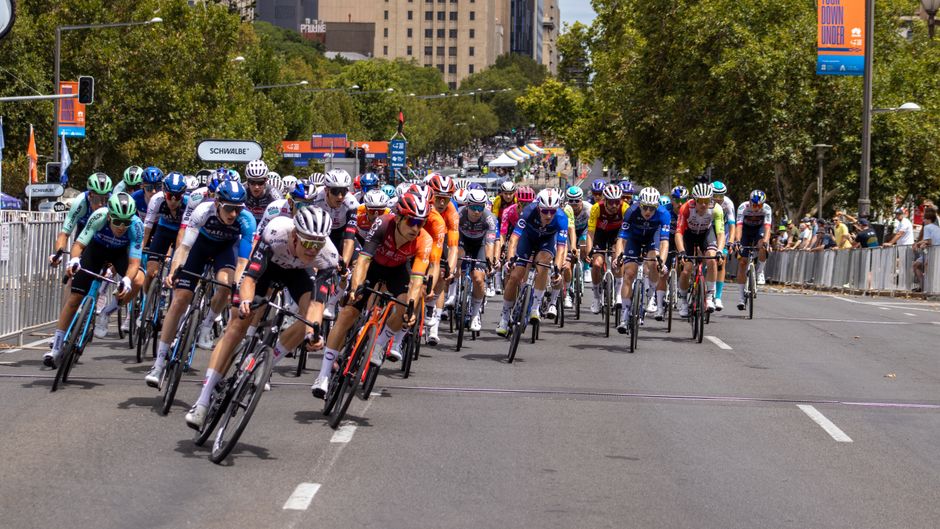
From the Adelaide Oval's recent $544 million redevelopment to emerging grassroots hubs across the suburbs, the city's infrastructure investment is reshaping how South Australians train, compete and gather.
Adelaide's sporting infrastructure has undergone a quiet revolution over the past decade, transforming the city into a destination for elite competition while simultaneously strengthening grassroots participation across suburbs from Prospect to Port Adelaide.
The Adelaide Oval remains the flagship facility, its $544 million redevelopment completed in 2022 cementing its status as one of Australia's premier venues. The iconic ground on War Memorial Drive now hosts not only cricket and AFL but increasingly attracts international rugby and soccer fixtures. The expanded Great Southern Stand and modernised western end have created a 55,000-seat amphitheatre that generates significant economic activity—the venue reported hosting over 80 events annually by 2024, drawing visitors across the metropolitan region.
Beyond the Oval, Adelaide Park Lands have become crucial infrastructure hubs. The Adelaide Aquatic Centre near the Botanic Gardens underwent substantial upgrades to meet Olympic training standards, while the adjacent Wauwi Sports Park—formerly the SA Sports Institute complex—provides facilities for athletics, rowing and emerging sports. These interconnected venues create a training corridor that attracts state and national teams preparing for major competitions.
However, the real transformation extends into suburban Adelaide. The Thebarton Football Club precinct on South Road has become a model for community facility development, combining AFL training grounds with basketball courts and fitness centres. Similarly, suburbs like Enfield and Wayville have invested in multipurpose sporting complexes that serve local soccer clubs, netball associations and emerging sports like lacrosse and wheelchair basketball.
Cricket South Australia relocated its headquarters to the Oval's new facilities, while facilities at Prospect Oval and Karen Rolton Oval continue supporting women's cricket development—a critical infrastructure shift given the code's growth trajectory. The latter, named after Australia's former Test captain, has become the spiritual home of women's cricket in the state.
Investment in aquatic facilities has been particularly strategic. Beyond the main centre, councils across Adelaide have upgraded public pools in Thebarton, Parklands and Brighton to meet competition standards, supporting everything from swimming carnivals to diving development programs.
These facilities generate ripple effects. The Oval alone employs over 300 staff directly and supports hundreds more through hospitality, security and maintenance contracts. Grassroots participation data shows Adelaide maintains some of Australia's highest rates of junior AFL, cricket and netball participation—directly attributable to accessible, quality infrastructure.
As Adelaide positions itself for potential major events—from hosting international test cricket to potential Commonwealth Games concepts—this infrastructure foundation becomes increasingly valuable. The city's competitive advantage lies not in any single showpiece venue, but in the interconnected ecosystem of world-class facilities and community sporting spaces that define modern Adelaide.
This article was compiled by AI from the sources linked above and screened before publishing. See our editorial standards.