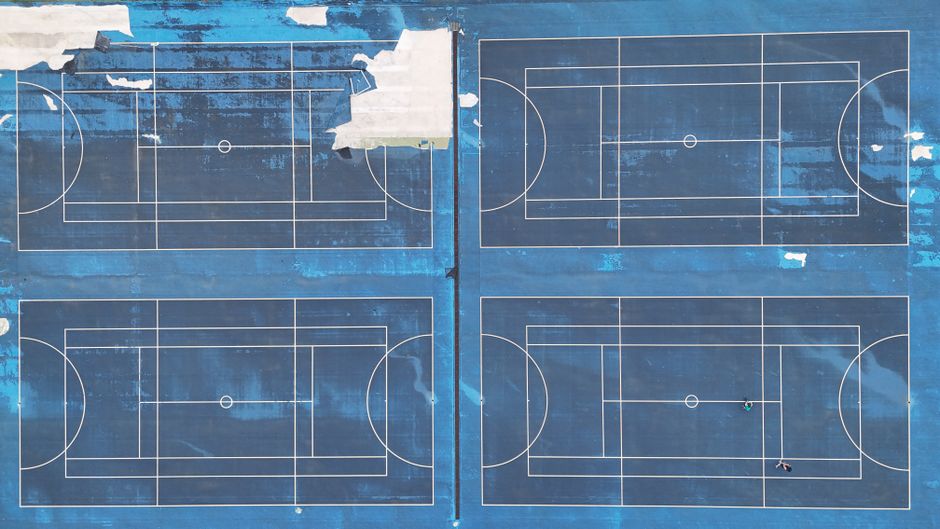
From suburban ovals to state-of-the-art training facilities, Adelaide's grassroots sport ecosystem relies on venues and infrastructure that demand urgent investment.
Walk past Princes Park on a Saturday morning and you'll witness the lifeblood of Adelaide's sporting future: hundreds of young athletes competing across multiple fields, their enthusiasm unbounded by the modest quality of the changing facilities behind them. It's a scene replicated across the city, from Norwood Oval to Prospect Oval, where infrastructure constraints are increasingly becoming a bottleneck for youth development.
Adelaide's grassroots sport sector supports over 180,000 young participants annually, yet the facilities supporting these athletes tell a story of patchy investment and aging infrastructure. While major venues like the Adelaide Oval and Wayville Showgrounds receive significant funding, the suburban ovals and district facilities where most children first experience organised sport face ongoing maintenance challenges and capacity pressures.
"The numbers are staggering," explains data from Sport SA, which coordinates grassroots programming across the state. Community clubs operate from facilities built in some cases 50+ years ago. Changing room shortages, inadequate lighting for evening training, and deteriorating playing surfaces have become normalised across many suburban grounds.
However, pockets of innovation offer hope. The West Adelaide Football Club's recent redevelopment of their Thebarton base demonstrates what strategic investment can achieve—modern change facilities, improved drainage systems, and all-weather training areas that extend the usable season. Similarly, the Norwood Park Sports Complex has invested in multipurpose courts and upgraded amenities that serve netball, basketball, and volleyball communities.
The challenge extends beyond individual clubs. Council funding for oval maintenance remains inconsistent across Adelaide's councils, creating postcode disparities in youth opportunity. A child in a well-resourced inner suburb may access state-of-the-art facilities, while their peer in outer regions trains on fields with limited infrastructure.
Key pressure points include: changing room capacity during winter sports peaks (July-August), inadequate lighting preventing expanded evening training programs, parking constraints limiting parent participation, and specialised facilities for emerging sports like wheelchair basketball and futsal remaining scarce.
Sport SA's 2025 infrastructure audit recommended $47 million in targeted upgrades to high-demand suburban venues over five years. Priority areas include Princes Park, Prospect Oval, and the Glenelg Sporting Complex.
For Adelaide's youth sport ecosystem to thrive, the conversation must shift from maintaining aging facilities to strategically upgrading them. The champions of tomorrow are training today—often on yesterday's infrastructure. Real change requires councils, state government, and community organisations to align investment priorities.
This article was compiled by AI from the sources linked above and screened before publishing. See our editorial standards.